Online
Pre-K
Classes
Pre-K
Classes

Preschool Education
Preschool Education
Pre-K and Kindergarten
Speech Therapy Classes
Modeling and Sculpture
Contemporary Dance
Contemporary Dance
Anton
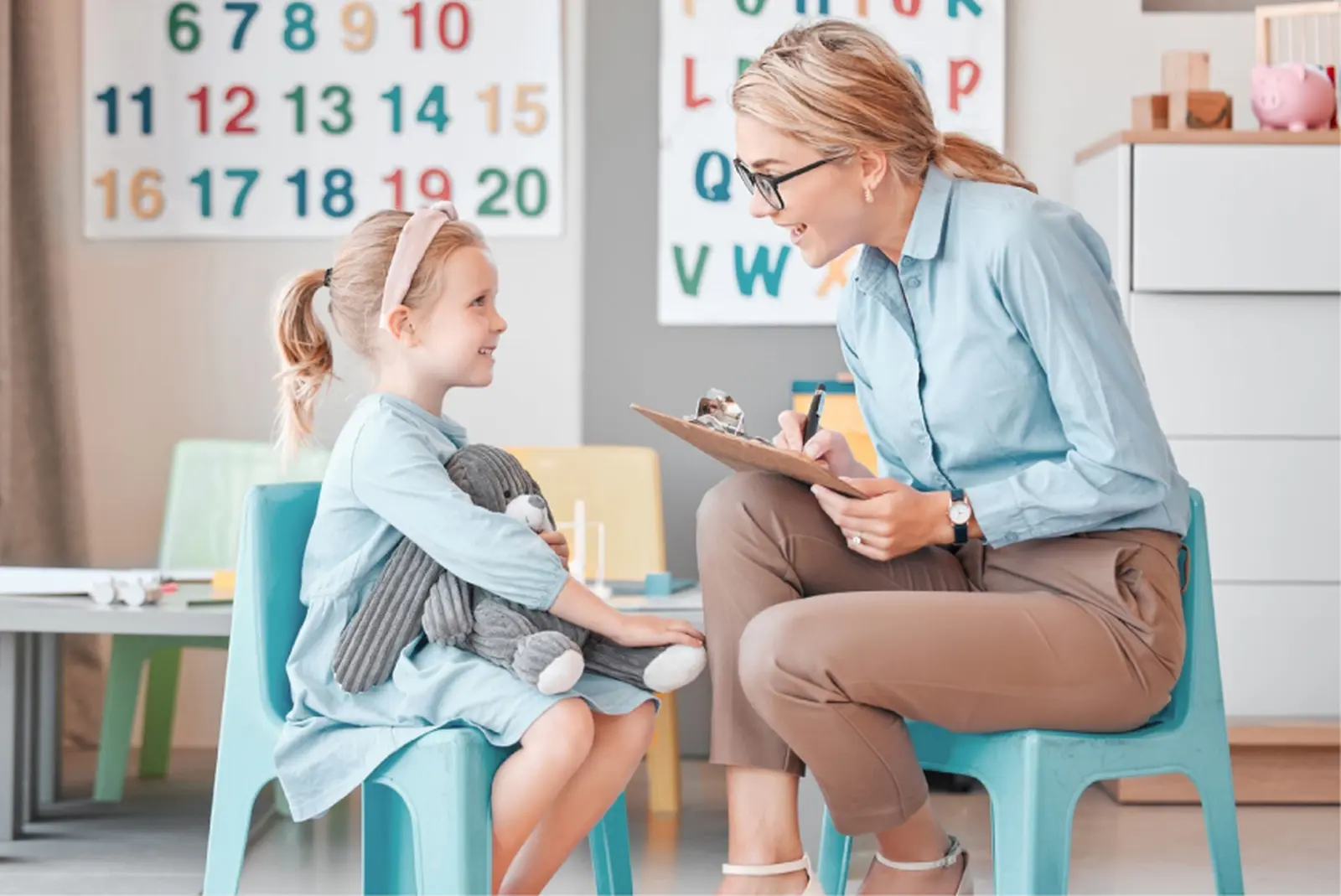
We’ve noticed a real difference in our son’s speech since he started working with the speech therapist online. He explains himself more clearly now and doesn’t get as frustrated when he can’t find the right words. The lessons are very individual, and the therapist pays attention to the things he specifically needs help with. It’s been really nice to see him become more comfortable talking.
Pre-K Teachers
Pre-K Teachers
Learn from the best! Our certified teachers have many years of experience and a unique approach to teaching
Yulia Markvart
Pre-K and Kindergarten
Iryna Trubchanina
Pre-K and Kindergarten
Alona Koziatynska
Pre-K and Kindergarten, Speech Therapy Classes
Victoria Shevchenko
Pre-K and Kindergarten
Educational Programs
Your children can engage in multiple educational programs.
How does a Montessori Center work
Three Steps to Mastery
Online Lessons for Preschoolers Aged 5–6
At Montessori Center, children aged 5–6 prepare for school through one-on-one online lessons. They get to know letters and numbers, learn to read and write, and solve their first simple math problems. The program can also include foreign language lessons, online sessions with a speech therapist, drawing, clay modeling, music, and dance, depending on each child’s interests and needs.
Teachers
Young children need clear explanations, time to think, and a change of activity when their attention starts to wander. The teacher considers what a child can already do and chooses tasks that help them move forward.
Experience with children: the teacher explains new ideas using familiar examples and helps the child get comfortable with online lessons.
Pace of learning: if a task is difficult, the teacher offers a simpler example or shows another way to complete it. They move on to a new topic when the child is ready.
Support: children can make mistakes, ask questions, and try again. The teacher helps them work things out and gives them time to answer.
Variety of activities: reading, counting, games, and creative exercises take turns, making it easier for children to stay focused.
Learning Program
The lessons reflect what a child already knows and the skills they need before starting school.
1. Reading and writing:
- Letters and sounds: children get to know letters, learn to hear the sounds in words, and match those sounds to letters.
- Syllables and words: they start by reading syllables and short words before moving on to sentences.
- Reading: the teacher chooses short texts and talks with the child about what they have read.
- Writing: children learn to hold a pencil, form letters, and write words and short sentences as they become ready.
2. Early math:
- Numbers and counting: children count objects, recognize and write numerals, and gradually work with larger numbers.
- Addition and subtraction: they solve their first problems using drawings or objects they can count.
- Shapes: they find circles, squares, and other shapes in exercises and everyday objects.
- Logic puzzles: they compare objects, look for patterns, and continue sequences.
3. Drawing and modeling:
- Drawing: children explore colors and shapes, draw familiar objects, and try different materials.
- Modeling: they work with clay or other modeling materials, learning to shape them and join pieces together.
- Their own creations: children decide what to draw or make, show the finished piece to the teacher, and talk about their idea.
4. Singing and dance:
- Songs and rhythm: children listen to music, repeat simple rhythms, and learn songs.
- Movement to music: they learn simple movements and practice matching them to the beat.
- Creative activities: they try to express the mood of the music through singing or movement.
Languages of Instruction
Lessons can be taught in Russian, Ukrainian, or English. We agree on the language of instruction before lessons begin. The teacher chooses reading and writing exercises based on the child’s level.
How Online Lessons Work
The child meets with the teacher by video call in real time. Lessons are one-on-one, so the teacher can watch the child work and help right away if something is unclear.
- Preparation: parents receive the lesson link and a list of materials in advance. Before the lesson, it helps to set up a place to work and help the child join the call.
- Starting the lesson: the teacher greets the child, helps them settle in, and offers the first task.
- Main activities: the teacher explains the tasks while the child answers questions, counts, reads, or completes a creative exercise. The teacher varies the activities and offers guidance throughout the lesson.
- Wrap-up: the teacher and child talk about what they did and learned. If helpful, the teacher suggests a short activity to practice at home.
Student Progress
Every child progresses at their own pace. The teacher notices specific changes: which letters and numbers the child remembers and what they can now do independently.
Reading and writing: children first recognize familiar letters, then put them together into syllables and words. Over time, they may read a short sentence, label a drawing, or write a few words on their own.
Math: children learn to count objects, compare quantities, and solve simple problems. They also learn to show how they reached an answer.
Creative activities: children try new materials, come up with an idea for a drawing or a clay figure, and learn songs or dance movements. They can show the teacher what they made and explain their idea.
Talking with the teacher: children gradually become more comfortable answering questions, explaining their thoughts, and saying when they do not understand a task. These skills will help them at school, too.
Independence: children get used to following instructions, starting a task, and checking their work. When they make a mistake, the teacher helps them find and correct it.
Joining Lessons and Getting Technical Help
Lesson materials
During an online lesson, the teacher may show letters, pictures, examples, or a short video on screen. The child answers questions, reads, counts, and works on paper or in a notebook.
- What to prepare: parents receive information about the materials needed before the lesson. Usually, paper, a pencil, and any items the teacher mentions are enough.
- Recording a lesson: if you would like to watch the lesson again later, please ask in advance whether it can be recorded.
Help with joining a lesson
Before the first lesson, parents should check the audio, camera, and internet connection. If you have trouble joining, you can contact the administrator.
- Lesson link: we send it in advance so you have time to prepare.
- Technical issues during a lesson: if the sound or video stops working, let the administrator know. They can help you reconnect.
Safety
Parents receive the lesson link. Please do not post it publicly or forward it to anyone else. An adult should help a preschooler join the video call, especially if the child has not used video calling independently before.
Keeping Parents Informed
Discussing lessons
Parents can ask the teacher which tasks their child can already do independently and where they still need help.
- Before lessons begin: tell us whether your child recognizes letters and numbers, what language they will study in at school, and which tasks they find difficult.
- As lessons continue: if an activity is difficult at home or your child’s interests change, let the teacher know. They can take this into account when planning future lessons.
Practice at home
The teacher may suggest something to review between lessons: reading a few words, counting objects, or finishing a task the child has started. A short review of what the child did with the teacher is enough.
Additional Language Lessons
Separate online language lessons can be added alongside school preparation. We teach English, Ukrainian, Russian, German, Spanish, and Japanese. These lessons have their own content and schedule, arranged separately from school preparation lessons.
If a child is new to a language, the teacher starts with familiar words, short phrases, and age-appropriate activities. If the child has studied it before, lessons can pick up where they left off.
What to Do Between Lessons
Short activities are easy to fit into an ordinary day and give children a chance to practice at home.
- Read together: invite your child to spot familiar letters in a book title or read a word or two. You can read the rest aloud.
- Count everyday things: pencils on a table, steps on a staircase, or apples in a basket. This helps children see what counting is for.
- Give them time to think: if an answer does not come right away, suggest looking at the task again. A pause gives the child a chance to work it out on their own.
- Ask about their work: ask what your child drew or made and how they came up with the idea. Give them time to tell you about it.
- Make time to rest: after an online lesson, children can move around or choose another activity they enjoy.
Getting Started
In a trial lesson, the child meets the teacher and completes a few short tasks. They might count objects, recognize familiar letters, describe a picture, or try to read a word. This helps the teacher see what the child can already do and where to begin.
Before enrolling, tell us which school your child is preparing for and what language they will use there. If you have a specific goal, such as practicing reading or learning to count, you can discuss that in advance as well.
The first lesson lets you see how your child learns online and helps the teacher choose activities at the right level. Afterwards, you can ask questions and arrange a schedule for the next lessons.