Online
Cello
Classes
On our online cello course, you will learn your favourite melodies and prepare to perform at online concerts!


Instrument size: age recommendations are approximate. Consider the child’s height, arm length and comfort when sitting with the instrument. Before buying, consult your teacher and try holding the cello in playing position at a music shop.
Cello condition: inspect the body and fingerboard for cracks, chips and sharp edges. Ask a member of staff to check the bridge, pegs and fine tuners, and to play the instrument. It is advisable to have a second-hand cello inspected by a luthier.
Bow: ask a member of staff to select a bow of the appropriate size for your chosen cello. Check the condition of the stick, hair and tensioning mechanism. Find out whether a bow is included.
Included accessories: check whether a soft or hard case is provided for storage and transport. Your teacher will advise you on any additional accessories needed for your first lessons and instrument care.



Trial Lesson
If you want to book a trial cello lesson, you need to schedule and pay $8.00.
The trial lesson is conducted individually and lasts for 45 minutes.

Subscription
If you enjoyed the trial lesson, you can purchase a subscription by making a prepayment for at least 4 lessons.
The price of a 4-lesson subscription is $60.00 (the cost of one lesson is $15.00).
Payment must be made at least 24 hours before the lesson's start time.

Discounts
When you purchase 8 lessons or more, a discount applies. The more lessons, the more you save!
Course overview
The online cello course is suitable for children aged 8 and over and adults of all ages. In lessons, you will develop your playing technique, learn to read music and study classical pieces and popular melodies. The programme includes beginner, intermediate and advanced levels. No musical experience is needed to start, and if you already play, your teacher will help you choose a programme suited to your experience.
Lessons are individual and last 45 minutes. You can study in Russian, Ukrainian or English. We agree on the schedule and teaching language before lessons begin.
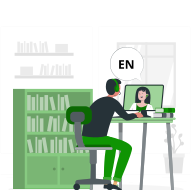
Lessons take place in real time via Google Meet or Zoom. Your teacher demonstrates techniques on the cello, listens to your playing and helps you correct mistakes. Our teachers have higher education qualifications in music and experience working with children and adults. They perform in concerts and play in orchestras and ensembles.
We recommend two lessons a week with your teacher and completing your assignments at home between lessons. This schedule allows you to receive regular feedback and consolidate what you have learned.
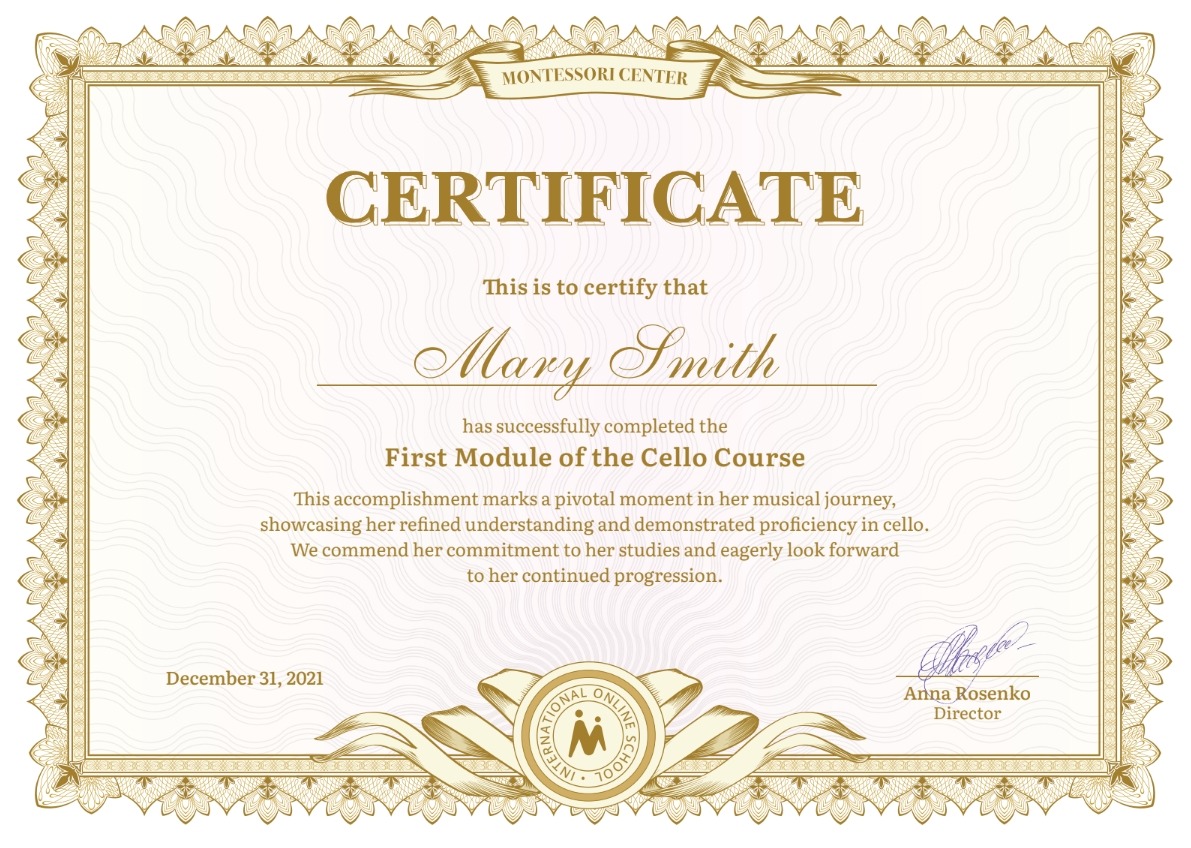
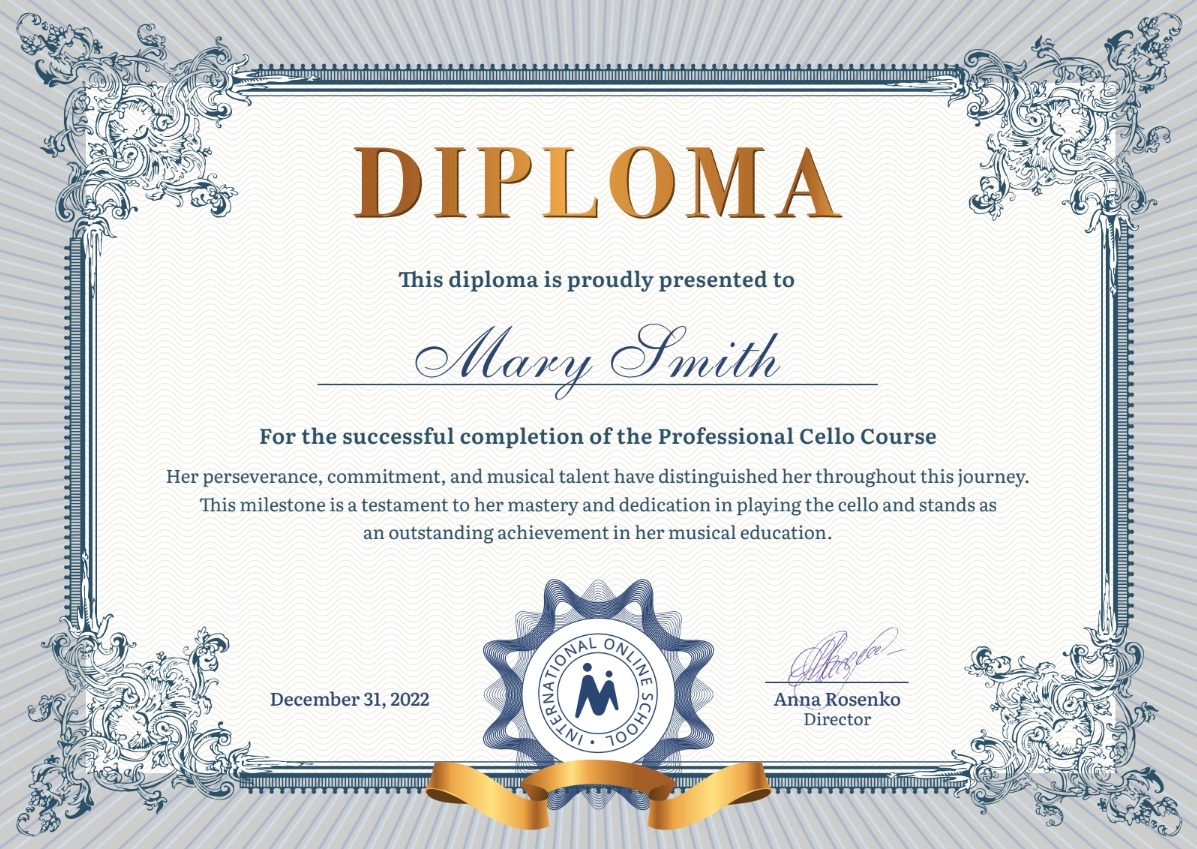
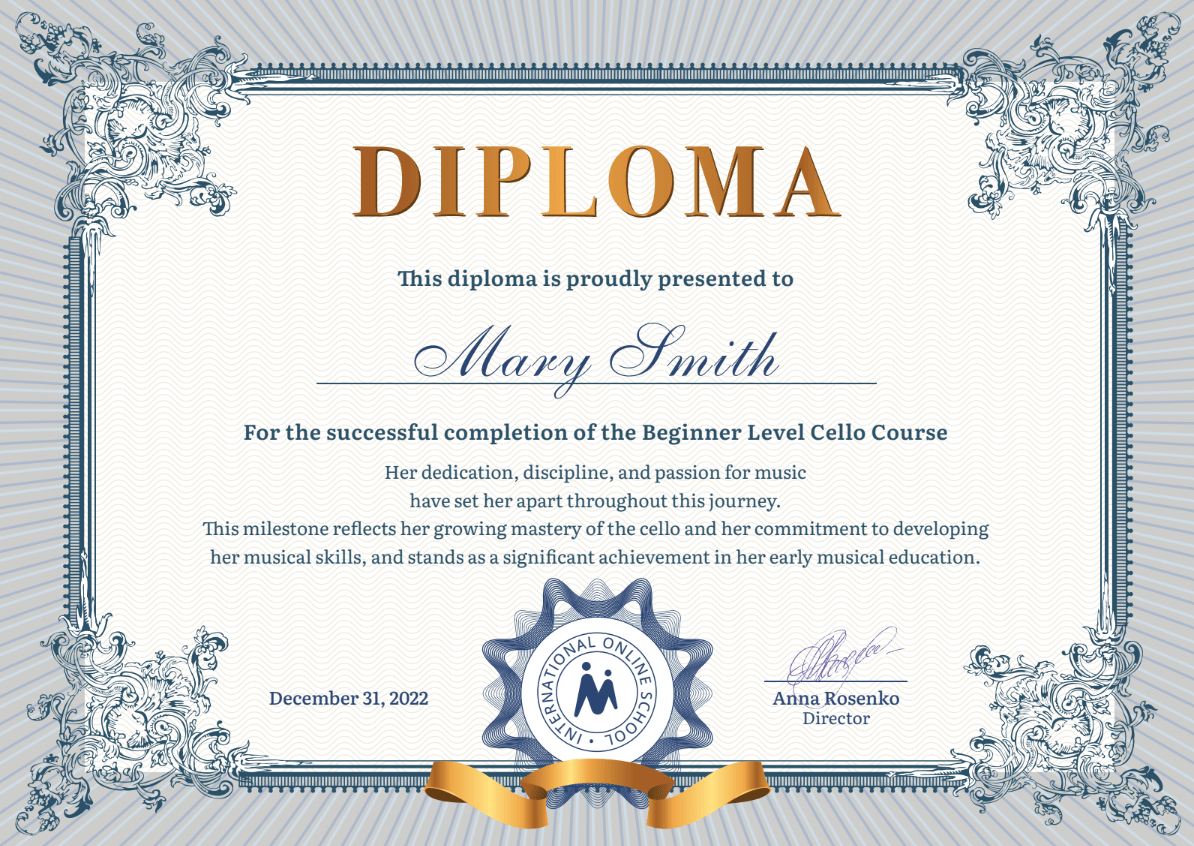
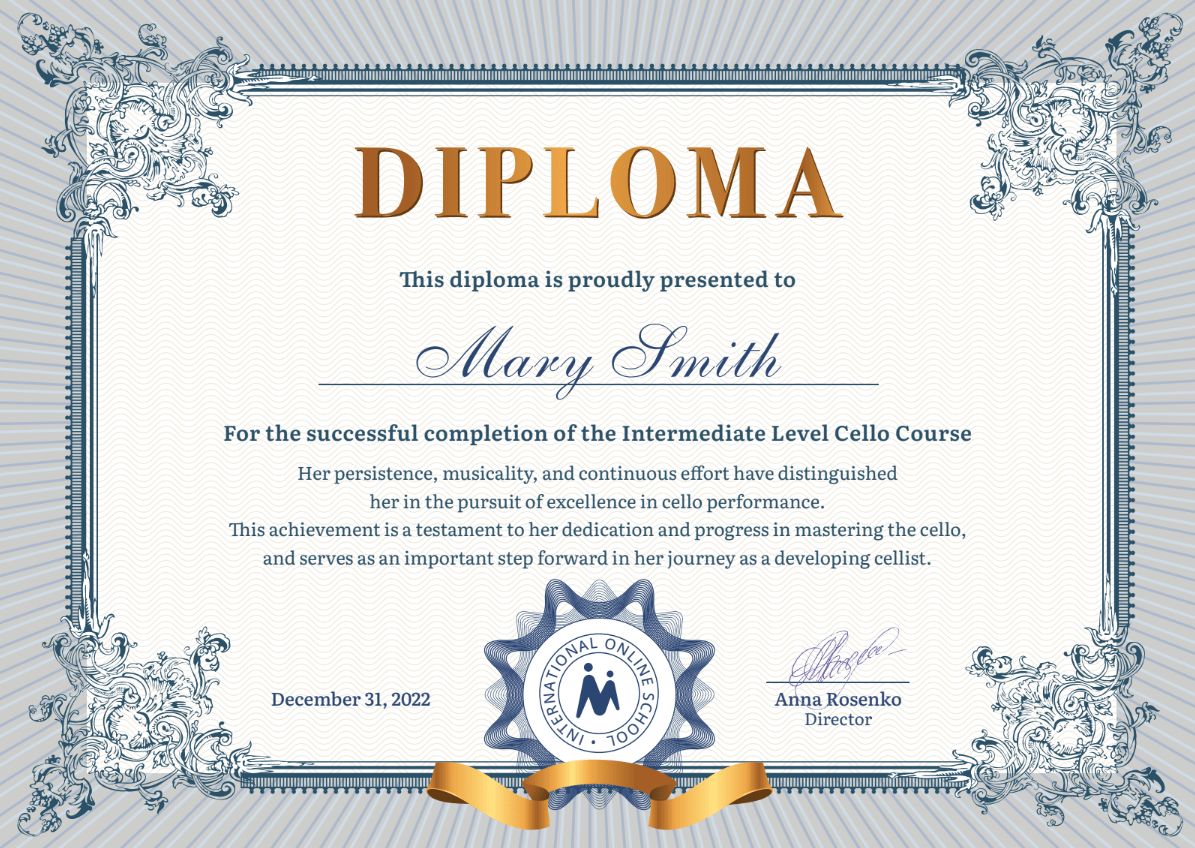
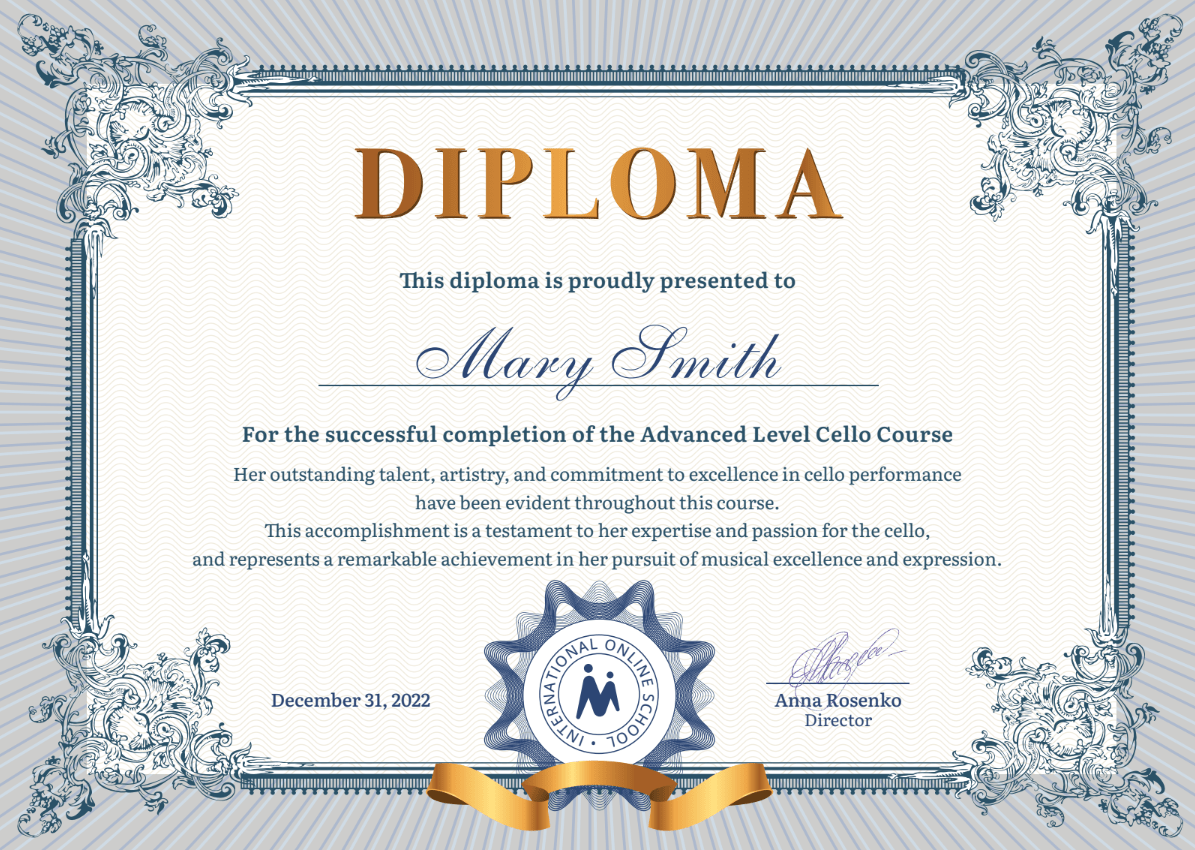
You can perform prepared pieces at the school’s online concerts and competitions. Students receive certificates upon completing each level and a diploma upon completing the course.
Teaching approach
Learning begins with getting to know the student: the teacher asks about their experience, musical interests and goals. They then select exercises and repertoire accordingly. Beginners learn sitting posture, hand positioning and basic bow movements. Students with previous experience work on tone quality and more challenging aspects of performance.
As you work on a piece, you learn to hear and correct inaccuracies, convey the character of the music and confidently perform the whole piece. Your teacher shows you how to tackle difficult passages: where to slow down, adjust the fingering or change how you distribute the bow.
Progress is discussed in every lesson. Your teacher explains what is going well and what needs attention at home. Instead of traditional exams, students can present their prepared programme at an online concert or competition, then review the performance with their teacher.
Benefits of our approach
1. Clear tasks: at every stage, you know what you are learning, what is already going well and what to focus on next.
2. Individual pace: the length of study depends on your experience and progress through the material. You can spend more time on particular techniques and pieces when needed.
3. Performance practice: rehearsals and online concerts help you become comfortable playing for an audience and learn to manage performance nerves.
4. For children and adults: beginners learn from scratch, while experienced students refine their technique and expand their repertoire. Explanations and tasks are suited to each student’s age and experience.
5. Continued learning: after completing the programme, you can learn more challenging pieces and continue developing your skills.
Beginner level
At beginner level, students get to know the cello and learn to hold the instrument and bow correctly. They develop left-hand positioning, finger placement and bowing across the strings. The first exercises help them achieve an even tone and coordinate both hands.
Alongside this, they study music notation: notes, note values, rests and rhythmic patterns. They learn short melodies and simple pieces and become familiar with basic bow strokes. A chosen piece can be prepared for their first online performance.
Intermediate level
At intermediate level, students move on to more challenging pieces and exercises. They develop finger dexterity, learn to shift positions and refine their bowing technique. They work on accurate intonation and precise rhythm.
More attention is given to phrasing, dynamics and musical character. Students try playing with recorded accompaniment, gradually learn to work through a score independently and prepare pieces for online concerts and competitions.
Advanced level
At advanced level, students learn challenging pieces in different styles. They refine finger fluency, accurate position shifts and combinations of bow strokes. They learn to maintain tone quality and freedom of movement at different tempos.
Together with their teacher, they analyse the structure of a piece and make interpretative choices: how to shape a phrase, distribute the bow and highlight the climax. They compare different tonal options, refine dynamics and work towards conveying the character of the music convincingly.
The programme includes preparing concert repertoire through rehearsals, playing complete pieces and developing consistency before a performance. After an online concert or competition, students discuss the results and their next goals with the teacher.
Course goals
Playing technique: learn correct sitting posture, hand positioning and bow control, and work on freedom of movement in both hands.
Tone and intonation: work on tone quality and evenness, learn to hear inaccuracies and adjust finger placement and bow movements.
Music reading: read notes and rhythmic patterns, understand fingering, bowing and dynamic markings, and work through simple pieces independently.
Repertoire: learn classical pieces and contemporary melodies, gradually progressing to more challenging musical tasks.
Expression: work on phrasing and dynamics, and find the right tone to convey the character of a piece.
Playing with accompaniment: come in at the right moment, maintain the tempo and listen to how the cello part blends with the accompaniment.
Preparing for performances: rehearse a programme for online concerts and competitions and gain experience playing for an audience.
Benefits of cello lessons
Musical ear: in lessons, you learn to distinguish correct notes from incorrect ones, notice inaccuracies in intonation and correct them by ear. Gradually, it becomes easier to assess your own playing.
Sense of rhythm: exercises with note values, rests and accents help you play melodies more accurately. Working with a metronome and accompaniment teaches you to maintain the tempo.
Coordination: the left hand controls the pitch of the notes, while the right hand controls the bow. As you play, you learn to coordinate their actions so that transitions are smooth and well timed.
Attention to detail: as you learn a piece, you notice how fingering, bowing and dynamics affect the result. You learn to remember musical phrases and monitor how you play them.
Independence: homework helps you establish a regular practice habit. You gradually learn to identify what needs repetition and choose how to work on a difficult passage.
Confidence in performance: a piece you have mastered allows you to hear your own progress. Rehearsals and online performances help you stay focused in front of an audience and continue playing after an accidental mistake.
Creative practice: the same phrase can be played in different ways. In lessons, you experiment with dynamics, bow strokes and tone, compare the results and develop your own interpretation of the music.
Musical knowledge: working on repertoire introduces you to composers, performers and music from different eras. Listening to recordings helps you discover pieces you would like to learn.
In your first lesson, you will meet your teacher and discuss your musical interests. For beginners, the teacher will help establish the correct sitting posture and introduce the first exercises. If you already play, a trial lesson will help identify which skills to develop and which pieces to begin with.
News




How Cello Lessons Are Conducted
Equipment: prepare your cello, bow and a computer or tablet with a camera and microphone. The camera view should show your sitting posture and both hands, including the full range of bow movement.
Internet connection: check your connection in advance. A stable connection will help you communicate with your teacher and hear musical examples without interruptions.
Lesson platform: lessons take place via Zoom or Google Meet. Open the link before the session starts. If necessary, install the app and allow access to your camera and microphone.
Sound: choose a quiet place. Headphones will help you hear your teacher’s explanations more clearly; make sure the cable does not interfere with your playing. At the start of the lesson, speak with your teacher and play a short passage to check that both your voice and instrument can be heard clearly.
Lesson link: we will send it in advance by email or messenger. Check that you have received the message and that the link opens.
Sheet music: you will receive the materials electronically. Print them out or open them on a screen, positioning them so they are comfortable to read during the lesson.
Camera position: sit with your cello and check the camera view. Your teacher should be able to see your face, both hands and the entire instrument. Make sure the bow stays in view as it moves.
Joining the lesson: a few minutes before the start, follow the link to Zoom or Google Meet. Check your camera and microphone and set up your sheet music so you can begin the lesson on time.
Teacher’s guidance: your teacher will help you develop correct sitting posture, hand positioning and bow movements. As they listen to your playing, they will suggest ways to improve your tone, correct intonation or refine the rhythm.
Questions: if an explanation is unclear or you are struggling with a technique, pause and ask to go through it in more detail. Together, you can identify the cause of the difficulty and find a way to overcome it.
Practice: you will spend most of the lesson playing: doing exercises and working on pieces. You will first learn difficult passages at a slow tempo, then incorporate them into a complete phrase.
Performance example: your teacher will play a passage on the cello so you can hear the phrasing and tonal character. If needed, they will demonstrate the fingering or bowing separately.
End of the lesson: you will discuss your progress and receive an assignment for independent practice. Your teacher will explain what to focus on at home and how to prepare for the next lesson.
Your teacher will send sheet music and exercises for home practice. If needed, they will also provide a recording of the piece, an accompaniment track or a video.
In online cello lessons at Montessori Center, you will learn music you enjoy and improve your playing under your teacher’s guidance.
Cello Teachers

Julia Bugayenko
Cello
Cello Course Program
 Beginner
level
Age: from 8 years old
Modules
Getting to know the cello. Learning correct sitting posture and how to position the instrument and bow. First exercises on open strings.
Basics of music notation: notes, note values and rests. Left-hand finger placement and exercises to coordinate both hands.
Learning the first studies and short pieces. Working on rhythm, accurate intonation and tone quality.
Introduction to tuning the cello under the teacher’s guidance. Learning how to care for the instrument and bow. Continuing work on pieces.
Learning simple scales and studies. Developing basic bow strokes and applying them in pieces.
Preparing a selected piece for performance. Rehearsing and taking part in the first online concert.
 Intermediate
level
Age: from 11 years old
Modules
Learning scales and arpeggios. Working on finger dexterity, accurate fingering and intonation.
Developing different bow strokes and dynamic nuances. Learning to vary dynamics and tonal character while maintaining sound quality.
Learning more challenging pieces and studies. Refining technique and working on expressive phrasing.
Playing with recorded accompaniment: precise entries and coordination with the accompaniment. Preparing for and taking part in an online concert or competition.
 Advanced
level
Age: from 13 years old
Modules
Developing vibrato, position shifts, double stops and chords. Working on tone quality and accurate intonation.
Learning sonatas, concertos and pieces by composers from different eras. Exploring the stylistic features of the selected works.
Building confidence and expression in performance. Rehearsing before a performance: learning to stay focused and manage nerves.
Selecting a concert programme based on the student’s musical interests and experience. Taking part in online concerts and competitions and discussing the results with the teacher.
The cello course programme includes beginner, intermediate and advanced levels. Beginners learn sitting posture, hand positioning and their first melodies, while experienced students refine their technique and learn more challenging pieces. Your teacher selects material based on your experience and musical interests. In lessons, you learn to read music, develop expressive playing and prepare for online concerts and competitions.
Book a trial lesson today and start playing the cello!
Course Schedule
We teach every day, including weekends
To coordinate the day of the week and the time for your lesson, please write to us, and the administrator will arrange a convenient schedule for you!Contact Us


Student Reviews of the Course
Oliver Grant

Diana
Liam Foster
Дмитрий Л.
Review language: Russian
Юля А.
Review language: Russian
Александр И.
Review language: Russian
Лана
Review language: Russian
Олена
Review language: Ukrainian
Аліса
Review language: Ukrainian
Nicolás Rivas
Review language: Spanish
Frequently Asked Questions (FAQ)
Helpful Articles
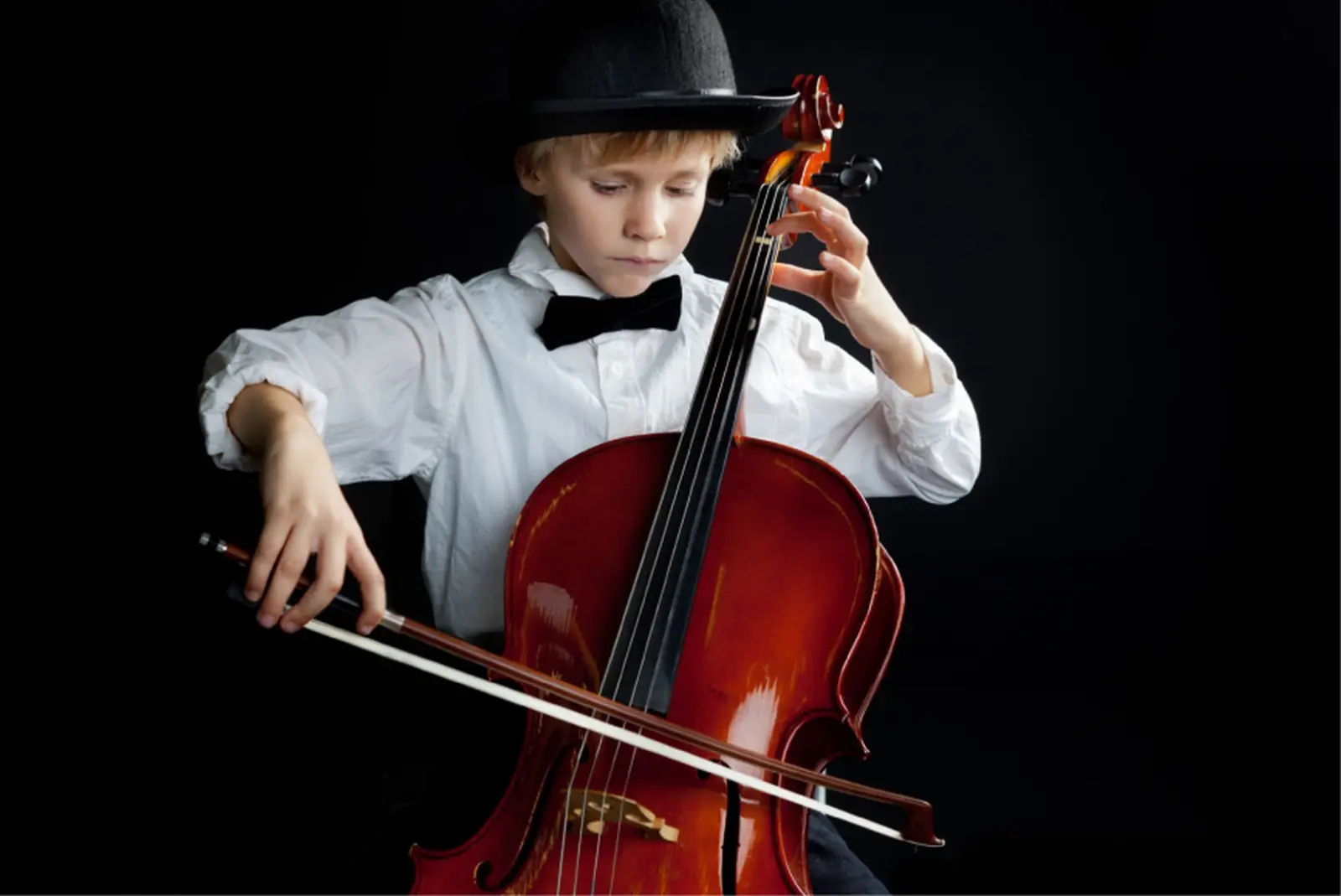
The Role of the Cello in Chamber Music
The cello holds an important and unique place in chamber music. With its deep, resonant sound and diverse expressive possibilities,...
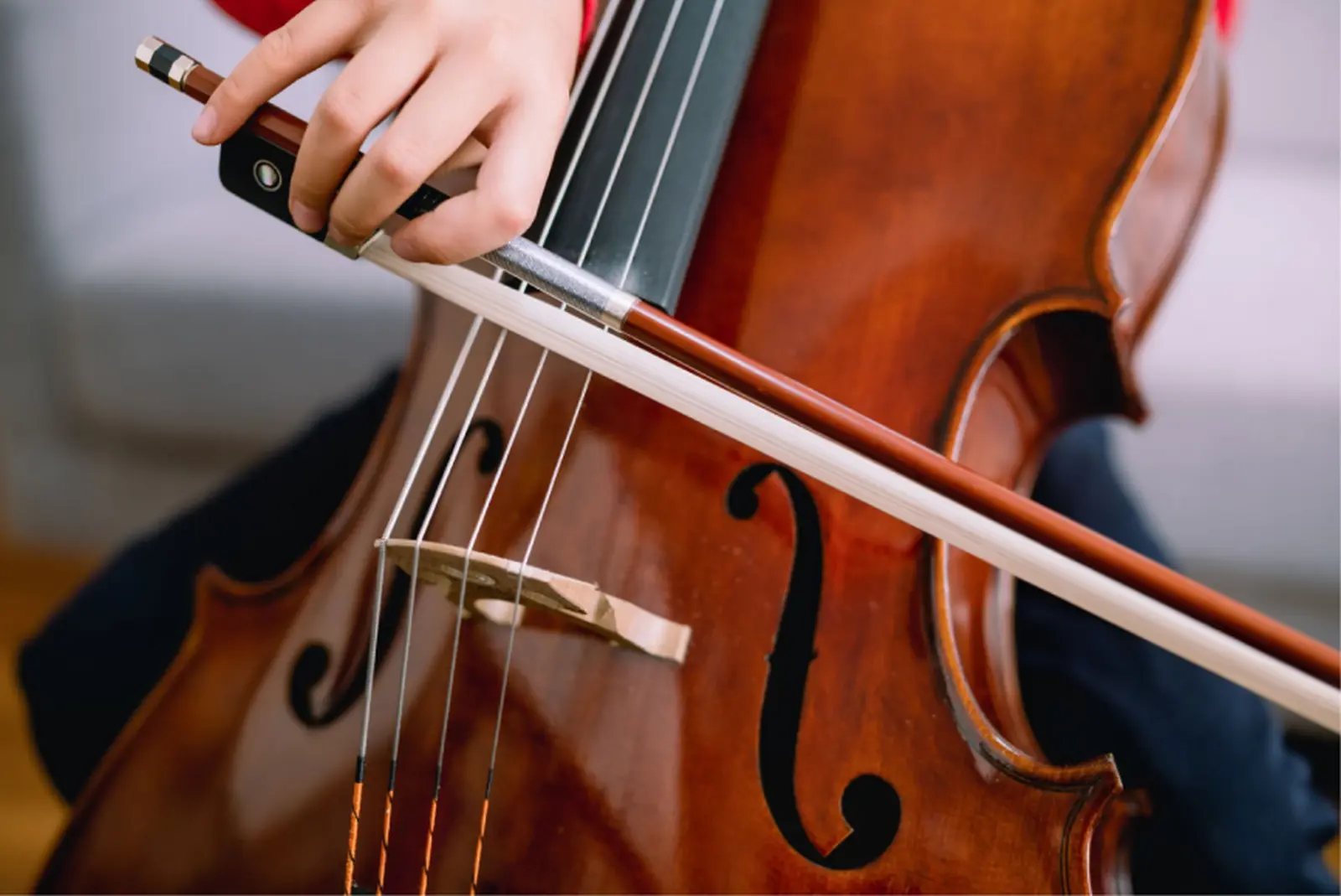
The Cello in Contemporary Art: New Directions
The cello, known for its depth and expressiveness, continues to amaze and inspire contemporary art. In recent decades, this instrument...
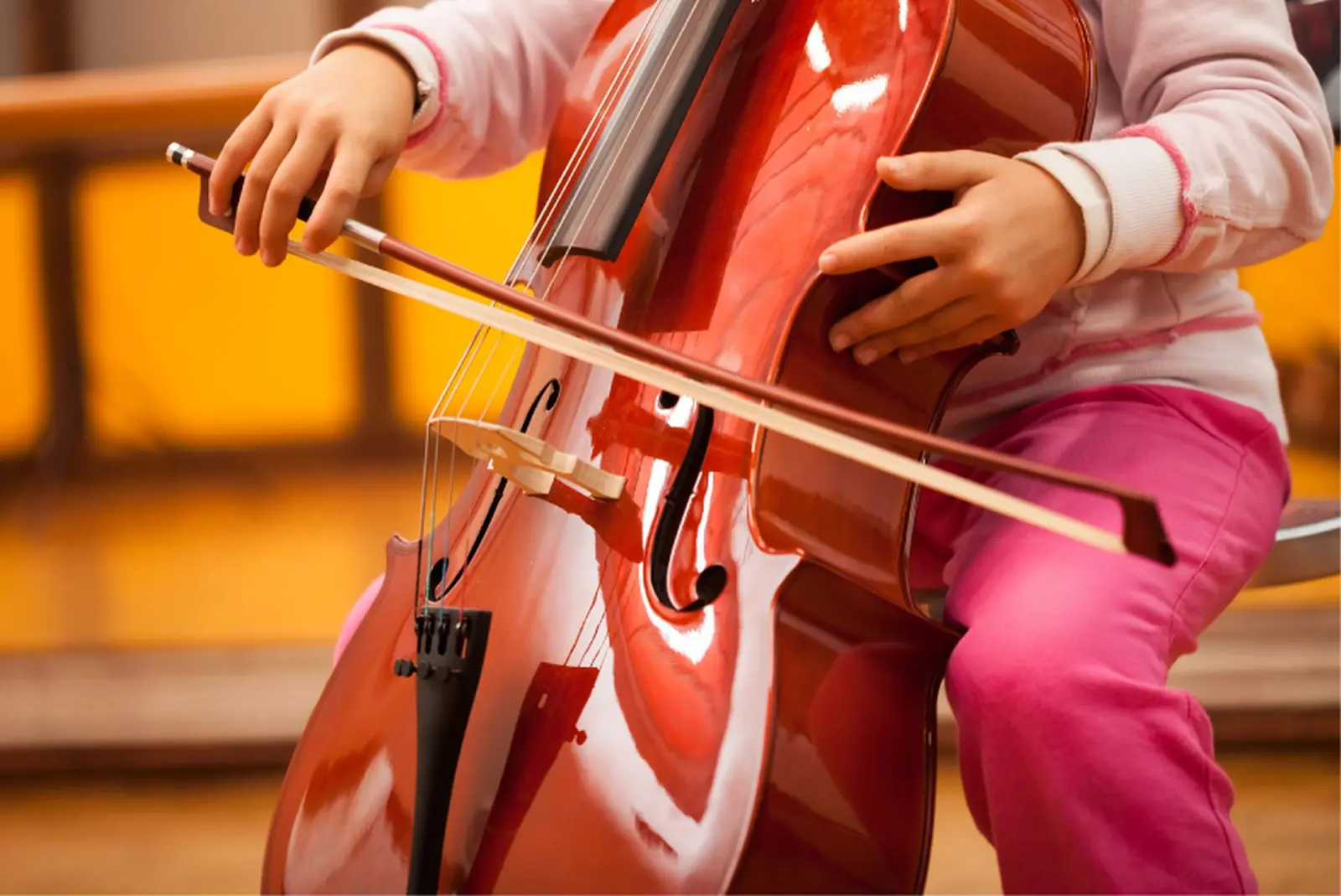
Choosing Your First Cello: Tips for Beginners
Choosing your first cello is a significant and responsible step for beginner musicians and their parents. This instrument will not...
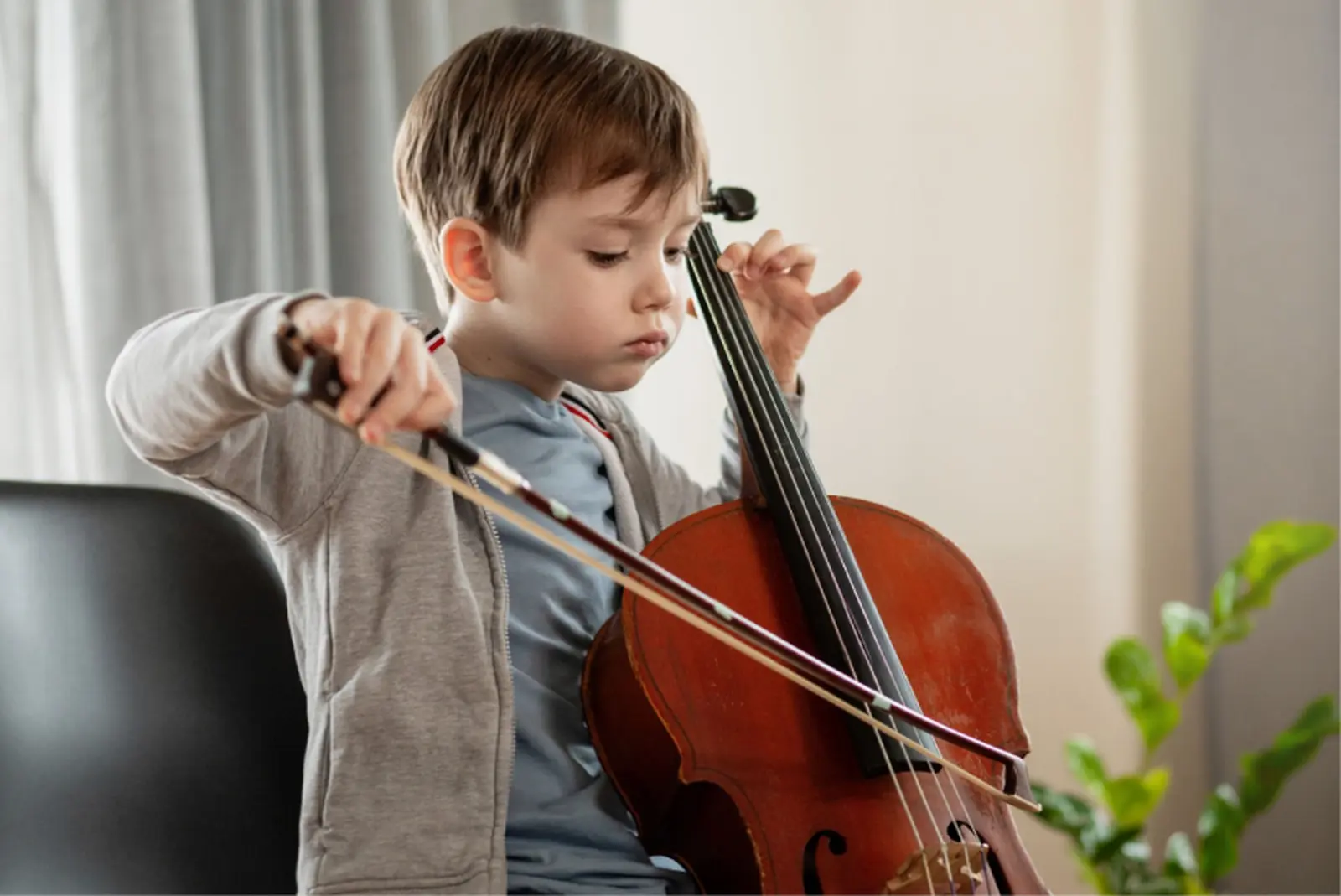
Top 10 Cello Works Everyone Should Know
The cello, known for its depth and expressiveness, is a key instrument in classical music with a rich repertoire. Here...
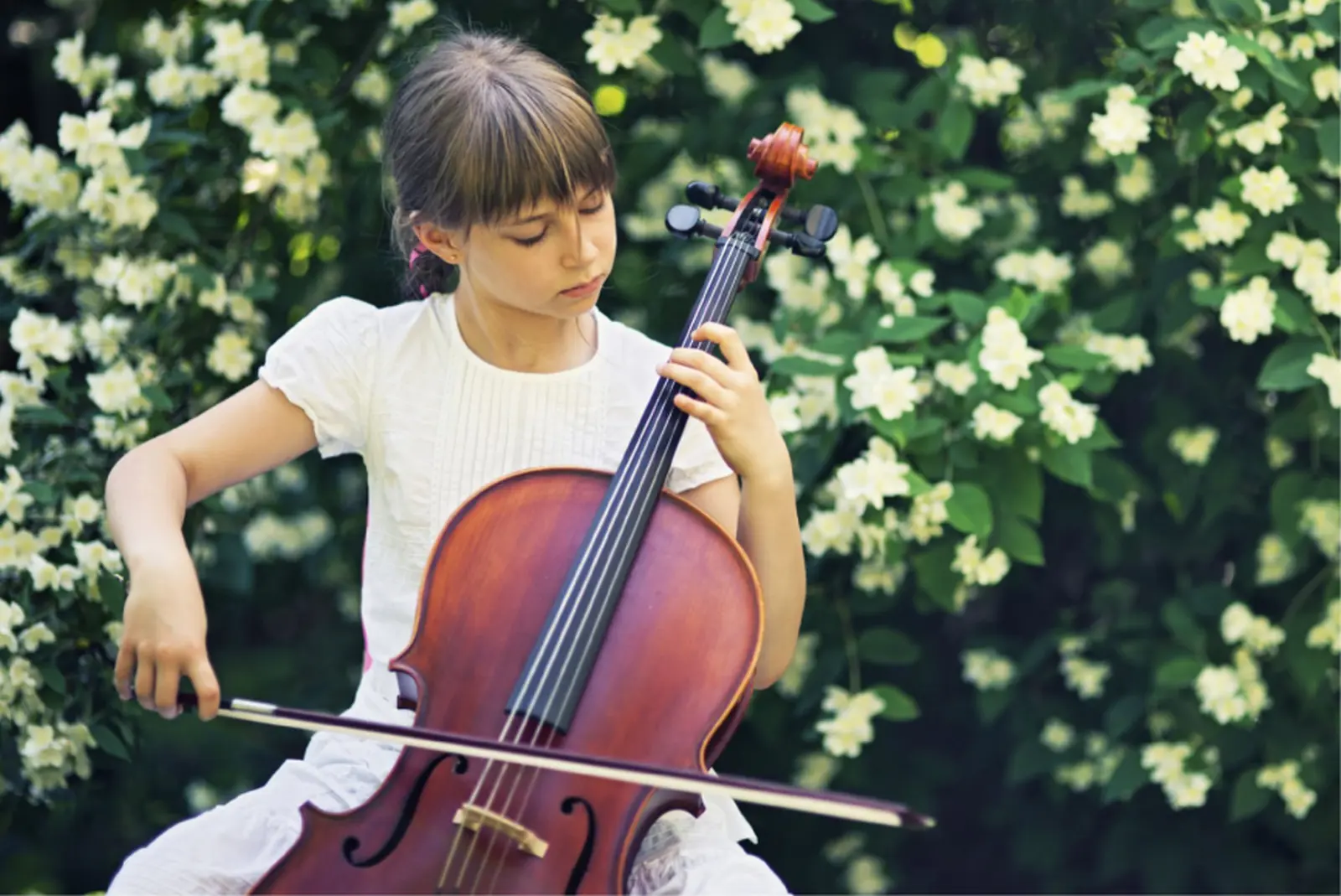
Basics of Cello Improvisation
Improvisation is the art of creating music in real-time. On the cello, as with other musical instruments, improvisation requires certain...
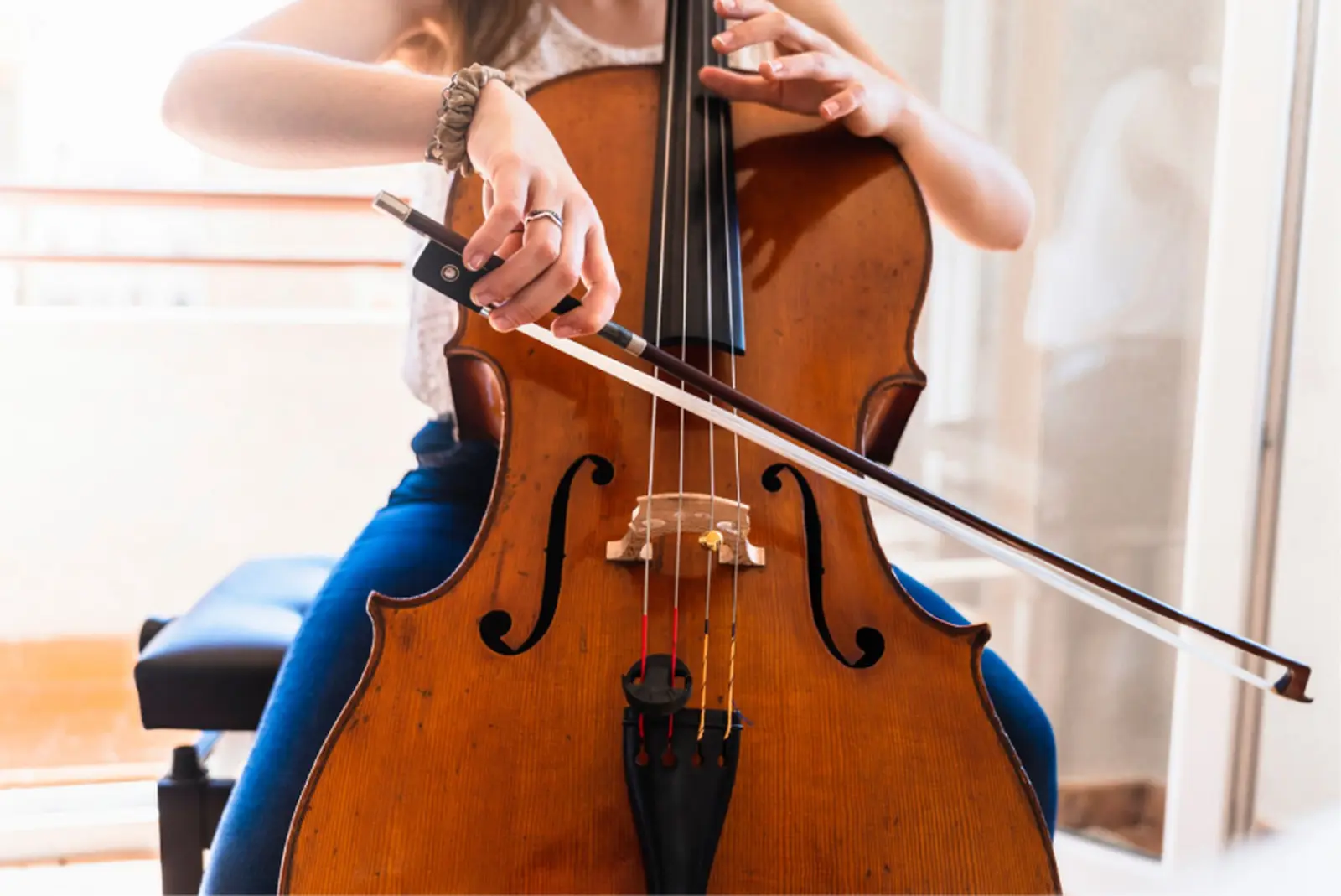
How to Choose Cello Strings: Expert Tips
Choosing the right cello strings can significantly impact the sound and playability of your instrument. In this article, we’ll explore...
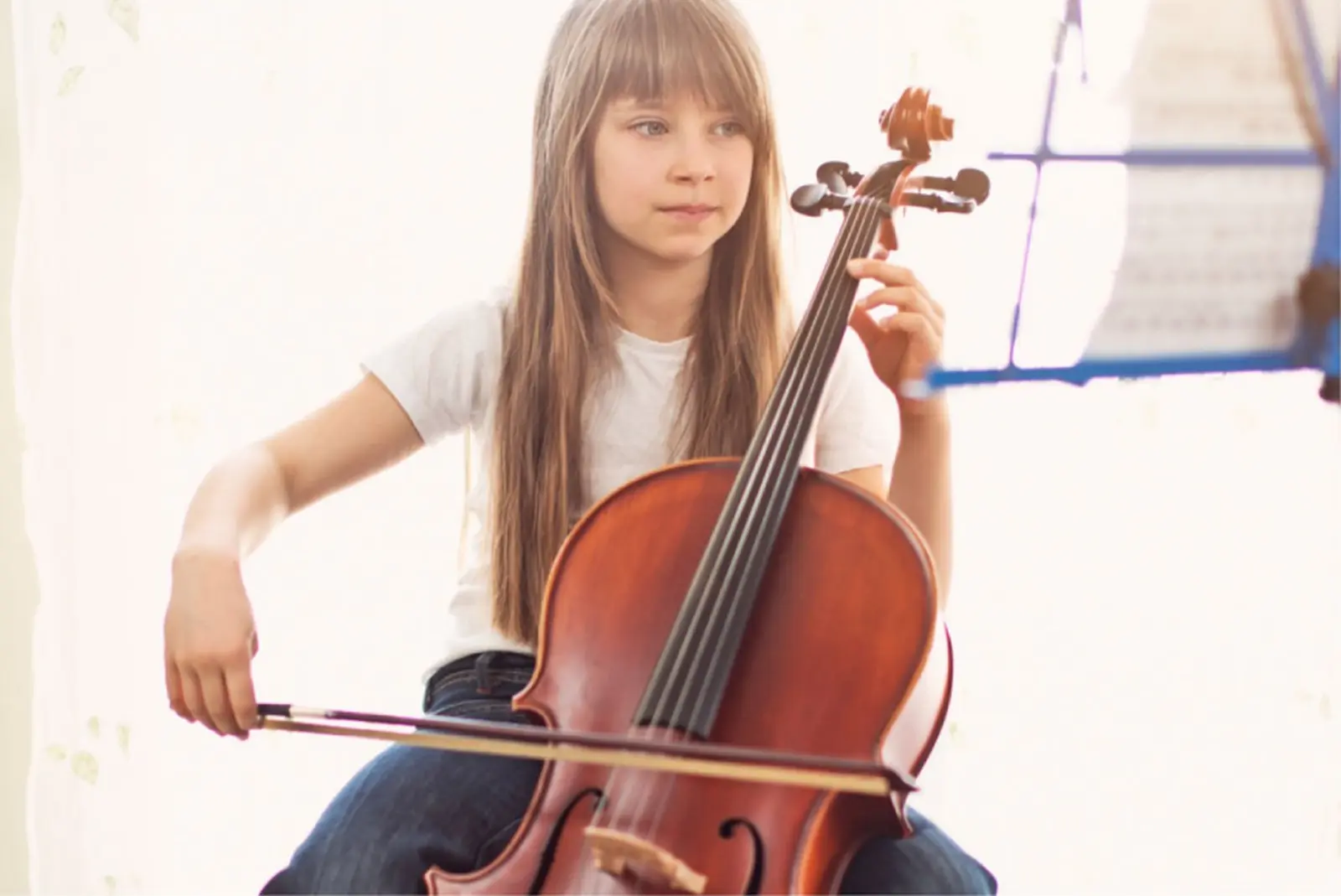
How to Care for Your Cello: Tips and Recommendations
Proper care for your cello not only extends its lifespan but also ensures optimal sound quality and ease of play....
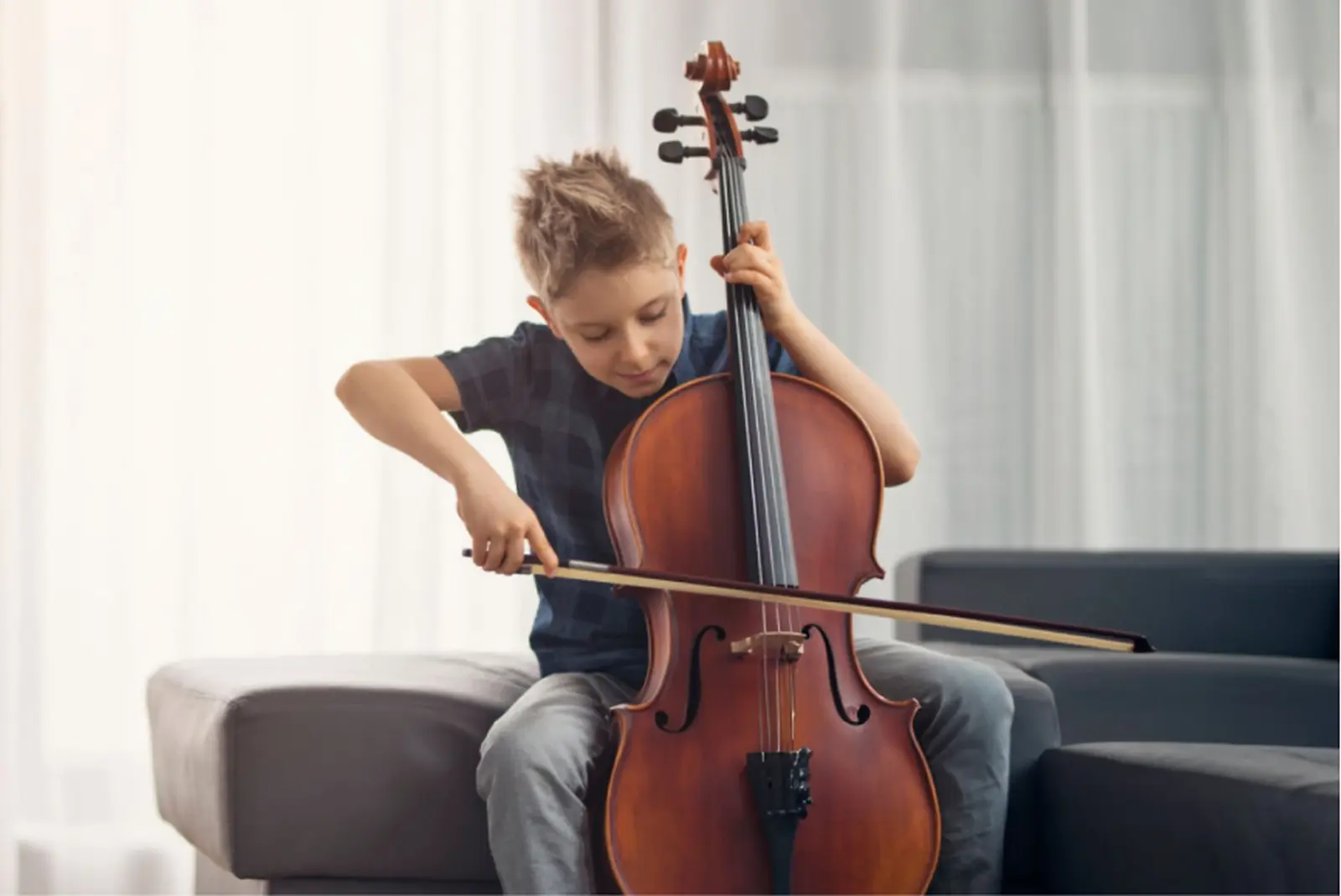
The Impact of the Cello on the Development of Classical Music
The cello, with its deep, rich sound and unique expressive capabilities, has played a crucial role in the development of...
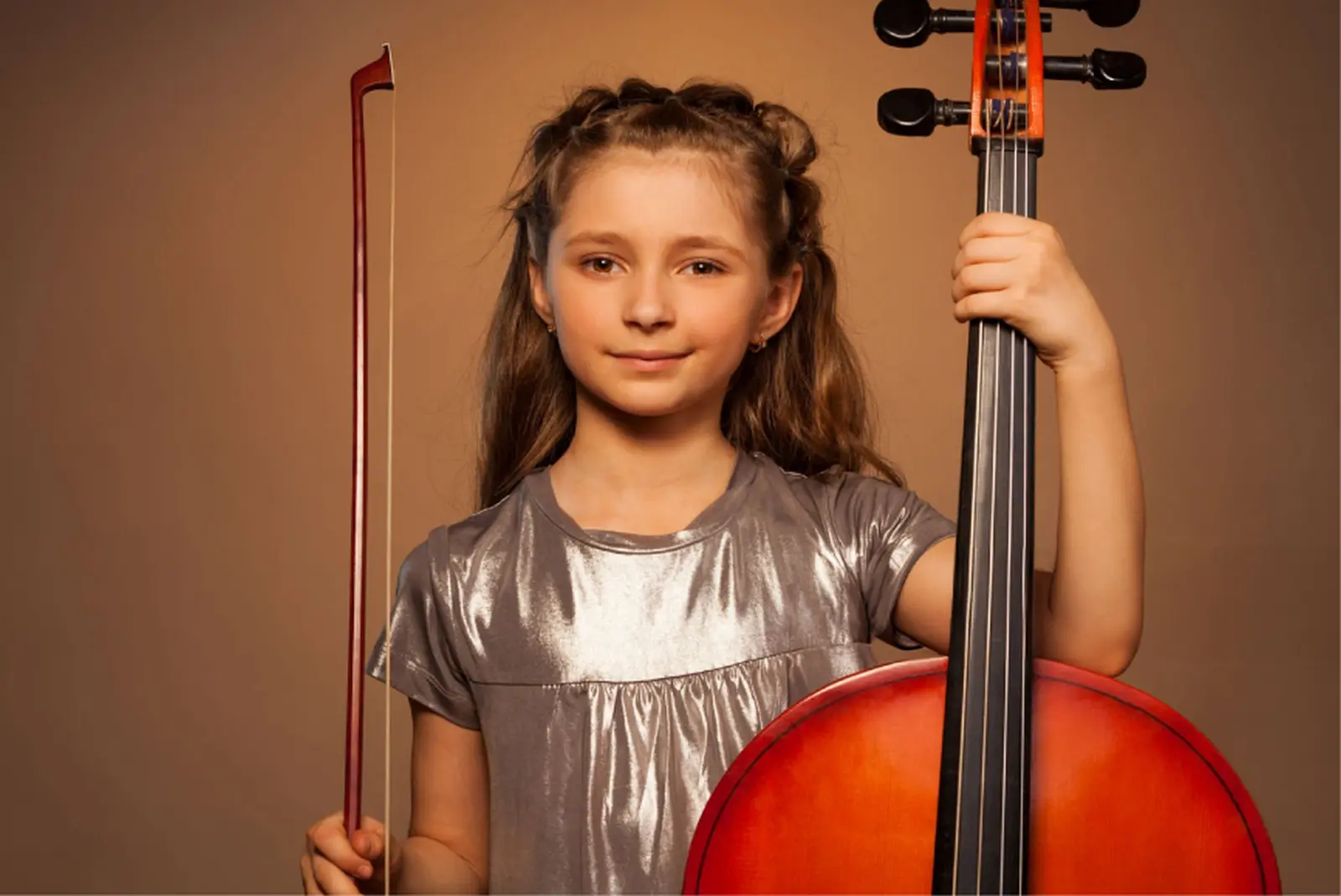
How to Learn to Play the Cello on Your Own
Learning to play the cello on your own can be an exciting and rewarding experience, but it requires dedication, patience,...
Gallery