Online
Saxophone
Classes
In our online saxophone course, you will learn to play your favorite melodies and have the opportunity to perform in online concerts!



Trial Lesson
To book a trial lesson, sign up and pay $8.00.
The trial lesson is one-on-one and lasts 45 minutes.

Lesson Package
If you enjoyed the trial lesson, you need to purchase a lesson package by prepaying for at least 4 lessons.
The price of a 4-lesson package is $60.00 (one lesson costs $15.00).
Payment must be made at least 24 hours before the lesson starts.

Discounts
When you purchase 8 lessons or more, a discount applies. The more lessons, the more you save!
Course Overview
Our online saxophone course is suitable for children aged 8 and above and adults of all ages. During lessons, you will develop your playing technique, learn to read music and study pieces in different styles. The program includes beginner, intermediate and advanced levels. No musical experience is needed to start, while students who already play can work with their teacher to choose a program suited to their skill level.
Lessons are individual and last 45 minutes. You can study in Russian, Ukrainian or English. We agree on the schedule and teaching language before lessons begin.
Lessons take place in real time via Google Meet or Zoom. Your teacher demonstrates techniques on their own instrument, listens to your playing and helps you correct mistakes. Our teachers have higher education qualifications in music and teaching experience, and many perform in concerts and play in orchestras.
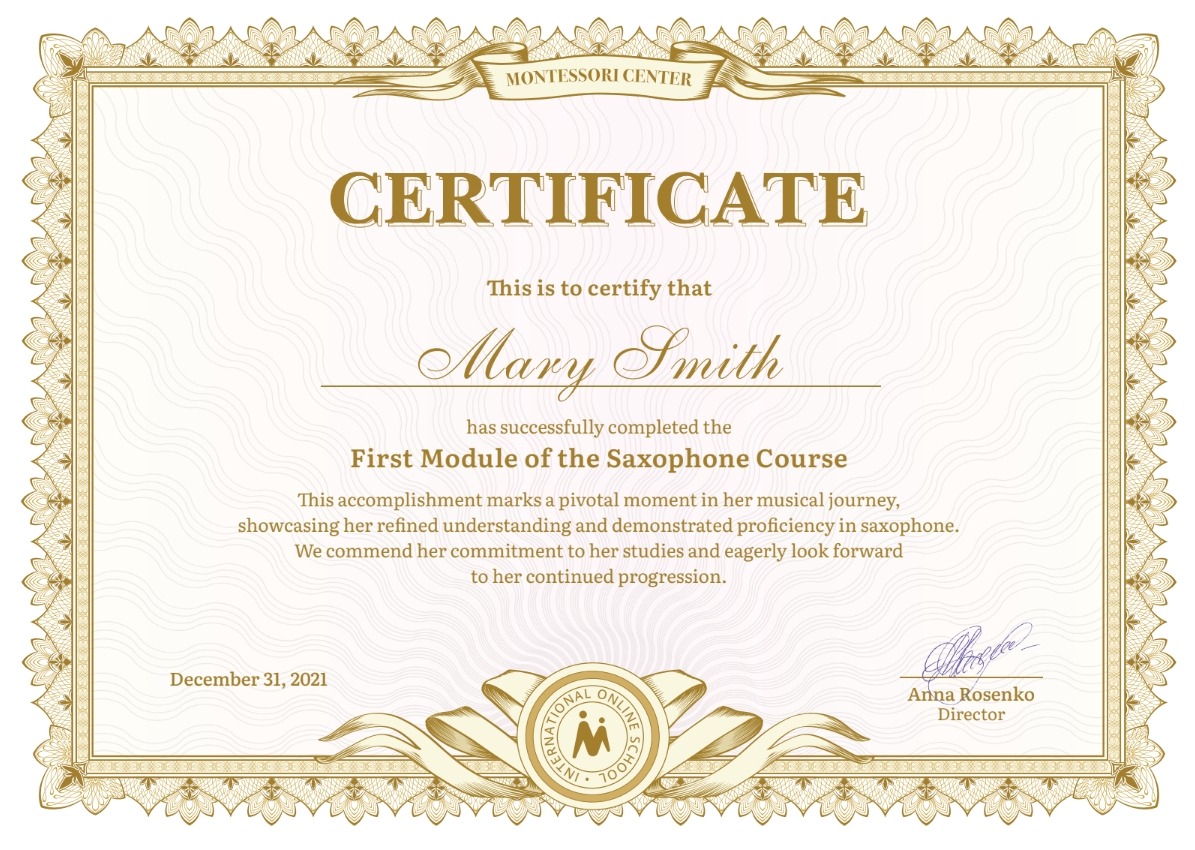
We recommend two lessons a week with your teacher, plus exercises and passages to practice at home between lessons. You can perform your prepared program at the school’s online concerts and competitions. Students receive a certificate after each module and a diploma after each level.
Our Teaching Approach
Learning begins with getting to know the student: the teacher asks about their experience, musical interests and goals, then selects pieces and exercises accordingly. Beginners learn how to hold the instrument, develop their breathing and embouchure, and produce their first notes. Experienced students work on technique, intonation and expressive playing.
We work through each new piece phrase by phrase, reading the notes and clarifying the rhythm, fingerings, articulations and breathing points. We practice difficult transitions slowly before returning to the complete phrase. Gradually, the student prepares to play the whole piece, including with recorded accompaniment.
The teacher assesses progress at every lesson and explains what is going well and what needs more practice. A prepared piece can be performed at an online concert or competition, followed by a discussion of the performance and the next goals.
Benefits of Our Teaching Approach
1. Clear tasks: the teacher explains what to focus on in an exercise or piece: an even tone, rhythmic accuracy, finger movements or the performance of a phrase.
2. Your own pace: new techniques and more challenging pieces are introduced as you master the material. More time can be spent on difficult sections.
3. Performance practice: preparing for online concerts and competitions teaches you to play a piece from beginning to end for an audience and manage performance nerves.
4. For children and adults: the teacher selects tasks and repertoire to suit the student’s age, skill level and musical preferences.
5. Continued learning: after completing the program, you can study more challenging pieces, refine your technique and explore new musical styles.
Beginner Level
At the beginner level, students get to know the saxophone, learn to hold it correctly, develop their embouchure and learn to control their breathing while playing. They learn their first notes and fingerings, working on an even tone and transitions between notes.
Alongside this, they study the basics of music notation: note values, rests, rhythmic patterns and musical markings. The program includes simple exercises and short melodies. A chosen piece can be prepared for a first online performance.
Intermediate Level
At the intermediate level, students learn more challenging pieces and refine their technique. They work on finger agility, accurate transitions, articulation and intonation. They learn to manage their breath throughout a phrase and change volume while maintaining tone quality.
Greater attention is given to musical character, phrasing and playing with accompaniment. The teacher helps students prepare pieces for an online concert or competition and gradually learn to work through a score independently.
Advanced Level
At the advanced level, students work on challenging pieces in different styles. They improve finger dexterity, master combinations of articulations and develop rhythmic accuracy and precise intonation at different tempos. Particular attention is given to phrasing, dynamics and tone.
Together with their teacher, students analyze the structure of a piece and make interpretive decisions: where to breathe, highlight a climax or change the tone color. They prepare a concert program, rehearse it in full and discuss the results of their performances.
Course Goals
Playing technique: develop a correct embouchure and hand position, learn to produce an even tone and make accurate transitions between notes.
Breathing: learn to manage your airflow while playing, choose breathing points and perform musical phrases without unintended pauses.
Music reading: read notes and rhythmic patterns, understand tempo, dynamics and articulation markings, and work through simple pieces independently.
Repertoire: learn favorite melodies and pieces in different styles, gradually progressing to more challenging technical and musical tasks.
Expression: work on intonation, phrasing and dynamics, and learn to convey the character of the music.
Playing with accompaniment: make accurate entries, maintain the tempo and hear how the saxophone part fits with the accompaniment.
Performance preparation: rehearse a program for online concerts and competitions, and gain experience playing for an audience.
Benefits of Saxophone Lessons
Musical ear: during lessons, you learn to notice intonation inaccuracies, compare the sound of notes and adjust your playing by ear.
Sense of rhythm: working with note values, rests and accents helps you play melodies more accurately. Metronome exercises and playing with accompaniment teach you to maintain a steady tempo.
Coordination: during lessons, you learn to change fingerings at the right moment and move smoothly between notes. Exercises help develop precise finger movements and clarity of sound.
Breath control while playing: you learn to maintain an even tone, make your breath last through a whole phrase and breathe at the right moment.
Musical expression: the same melody can be performed in different ways. During lessons, you experiment with dynamics, articulation and phrasing to convey its character.
Independent practice: home practice teaches you to identify difficult passages, choose a suitable tempo and assess the result. Gradually, you gain a clearer understanding of how to learn a new piece without constant guidance.
Performance experience: rehearsals and online concerts help you get used to playing for an audience. With your teacher, you can practice staying focused and continuing to play even after a mistake.
Exploring music: working on repertoire gives you opportunities to discover new composers and performers, listen to different interpretations of pieces and find music you want to play.
At your first lesson, you will meet your teacher and discuss your musical interests. Beginners will learn how to hold the saxophone and produce their first notes. If you already play, a trial lesson will help identify which skills to develop and which pieces to start with.
News





How Saxophone Lessons Are Conducted
Equipment: prepare your saxophone and a device for video calls — a computer or tablet with a camera and microphone. Position the device so that your teacher can see your face and both hands, and you can comfortably look at the screen while playing.
Internet connection: check your connection before the lesson. A stable connection will help you hear your teacher’s explanations and playing without interruptions.
Lesson platform: lessons take place via Zoom or Google Meet. Check in advance that the link opens on your device. If needed, install the app and allow access to your camera and microphone.
Sound: headphones will help you hear your teacher and musical examples more clearly. At the beginning of the lesson, play a few notes so your teacher can check that both your saxophone and your voice can be heard clearly.
Lesson link: we will send it in advance. Before the lesson, check that you have received the message and that the link opens.
Sheet music: you will receive the lesson materials by email or via a messaging app. Print them and place them on a music stand, or open them on your screen so you can read them comfortably while playing.
Camera position: hold your saxophone and check the camera view. Your teacher should be able to see your face, upper body and both hands. Position the screen so you do not need to lean over or turn your head.
Joining the lesson: open the Zoom or Google Meet lesson link 5–10 minutes before the start. Check your camera and microphone, and have your instrument and sheet music ready — this will leave time to resolve any technical issues.
Teacher’s guidance: your teacher will explain how to hold the saxophone and work on breathing and tone. As you play, they will suggest where to refine the rhythm, correct your intonation or practice finger movements.
Questions: if a task is unclear or you are struggling with a technique, ask for a more detailed explanation. You can work through a difficult passage with your teacher and try playing it again.
Practice: you spend most of the lesson playing — doing exercises, learning melodies and working on pieces. You first practice difficult passages slowly, then move on to playing complete phrases.
Performance demonstration: your teacher will play a passage on the saxophone so you can hear the articulation, dynamics and phrasing. If needed, they will demonstrate the fingerings and explain where to breathe.
Lesson review: together with your teacher, you will discuss what went well and what still needs work. Your teacher will assign home practice and explain how to practice the exercises and selected passages before the next lesson.
For home practice, your teacher will select sheet music and exercises and explain which passages to practice before the next lesson. If needed, they will send a recording of the piece, an accompaniment track or a video.
What melody would you like to play on the saxophone? Your teacher will help you choose a piece and learn it — from the first notes to playing it from beginning to end with accompaniment.
Saxophone Teachers

Oleksandra Temerbek
Saxophone

Anastasia Posmerega
Saxophone, Flute, Recorder
Anastasia Posmerega teaches saxophone, flute, and recorder at Montessori Center. She graduated with honors from the P. I. Tchaikovsky National Music Academy of Ukraine. A prizewinner at international competitions, she has also performed at concerts and festivals in Germany, Spain, France, Poland, and Italy.
Anastasia has attended masterclasses with Claude Delangle (France), Arno Bornkamp (the Netherlands), Jean-Denis Michat (France), Paweł Gusnar (Poland), and Ryszard Żołędziewski (Poland). She is a member of the women’s Queens Orchestra. Anastasia’s international performance experience enriches her online saxophone and recorder lessons with a broad repertoire and a variety of teaching approaches. Her students take part in competitions and win awards, perform at concerts, and attend masterclasses around the world. Anastasia teaches in Russian, Ukrainian, and English.Saxophone Course Program
 Beginner
level
Age: 8 years and older

Modules
Getting to know the saxophone: holding the instrument, embouchure and hand position. First exercises for breathing and tone production.
Basics of music notation: notes, note values and rests. Learning fingerings, simple exercises and melodies.
Learning basic articulations: playing slurred and separately articulated notes. Sight-reading simple exercises.
Working on an even tone and smooth transitions between notes. Learning to manage breath throughout a musical phrase.
Learning simple pieces. Working on rhythm, intonation and dynamics, and practicing the first exercises with accompaniment.
Preparing a chosen piece to play from beginning to end. Rehearsing and performing at an online concert.
 Intermediate
level
Age: 11 years and older

Modules
Working on expressive playing: phrasing, dynamics and tonal character.
Learning pieces in different styles. Mastering the rhythms and articulations characteristic of each style.
Playing with recorded accompaniment. Working on accurate entries, a steady tempo and how the saxophone part fits with the accompaniment.
Preparing a concert program. Rehearsing and performing at an online concert, unaccompanied or with accompaniment.
 Advanced
level
Age: 13 years and older

Modules
Learning challenging pieces. Working on finger dexterity, accurate transitions and combinations of articulations.
Studying contemporary works for saxophone. Working on rhythm, phrasing and the specific performance demands of the chosen repertoire.
Preparing a concert program: working on intonation, dynamics and expression. Rehearsing pieces from beginning to end.
Performing at an online concert or competition, unaccompanied or with accompaniment. Discussing the results with the teacher and choosing repertoire for further study.
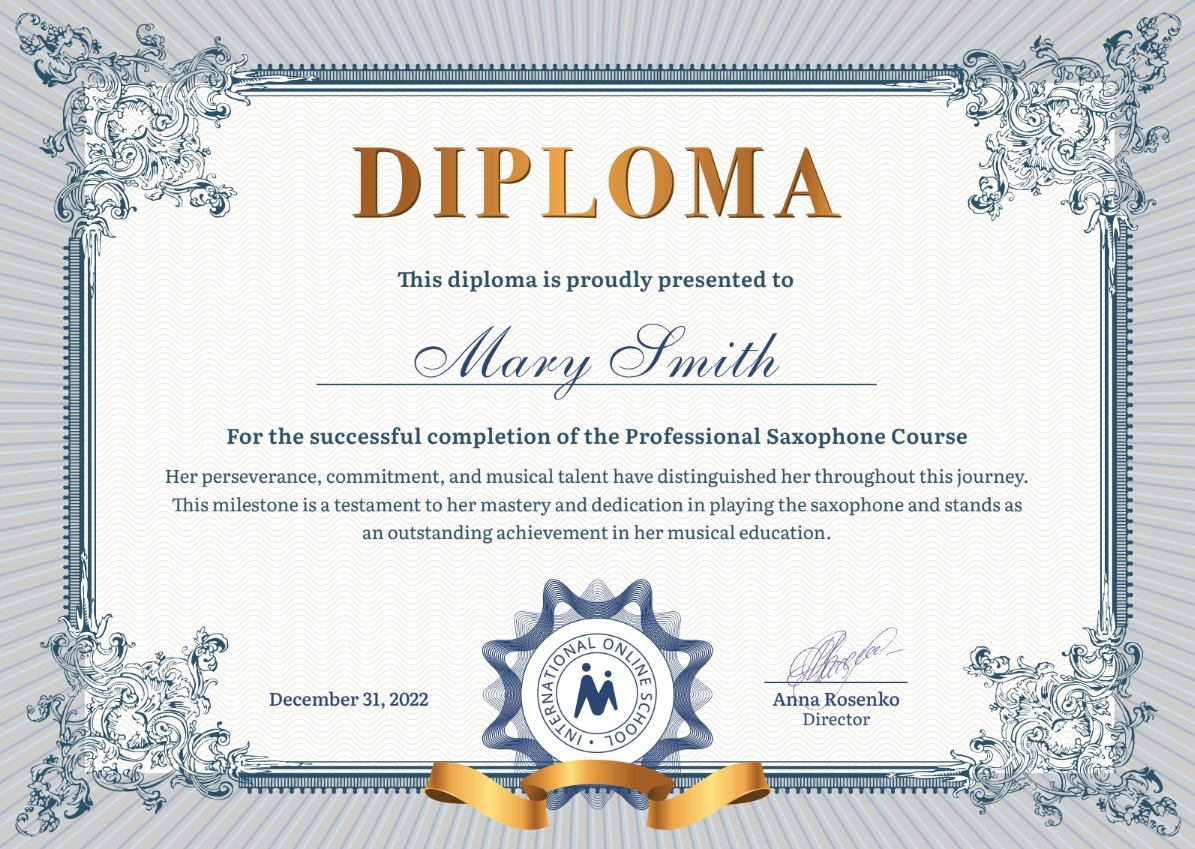
The saxophone course is suitable for children aged 8 and above and adults of all ages. The program includes beginner, intermediate and advanced levels. Beginners can start from scratch, with no musical experience. For those who already play, the teacher will help choose a level suited to their skills. Students receive a diploma upon completing each level.
Book a trial lesson to meet your teacher and try playing your first notes on the saxophone. If you already play, your teacher will help you identify which skills to develop and which pieces to start with!
Course Schedule
We teach every day, including weekends
To coordinate the day of the week and the time for your lesson, please write to us, and the administrator will arrange a convenient schedule for you!Contact Us



Student Reviews of the Course
Zoe Mitchell

Yvonne Dupont
Nadine
Cedric Holt

Adela
Алексей И.
Review language: Russian
Наталья
Review language: Russian
Екатерина Черненко
Review language: Russian
Анастасия Кузьменко
Review language: Russian
Константин
Review language: Russian
Наталья
Review language: Russian
Андрей
Review language: Russian
Дарина Чернова
Review language: Russian
Екатерина В.
Review language: Russian
Анастасія
Review language: Ukrainian
Катерина Лесенко
Review language: Ukrainian
Олена
Review language: Ukrainian
Сергій
Review language: Ukrainian
Олександр
Review language: Ukrainian
Daniela López
Review language: Spanish
Frequently Asked Questions (FAQ)
Helpful Articles
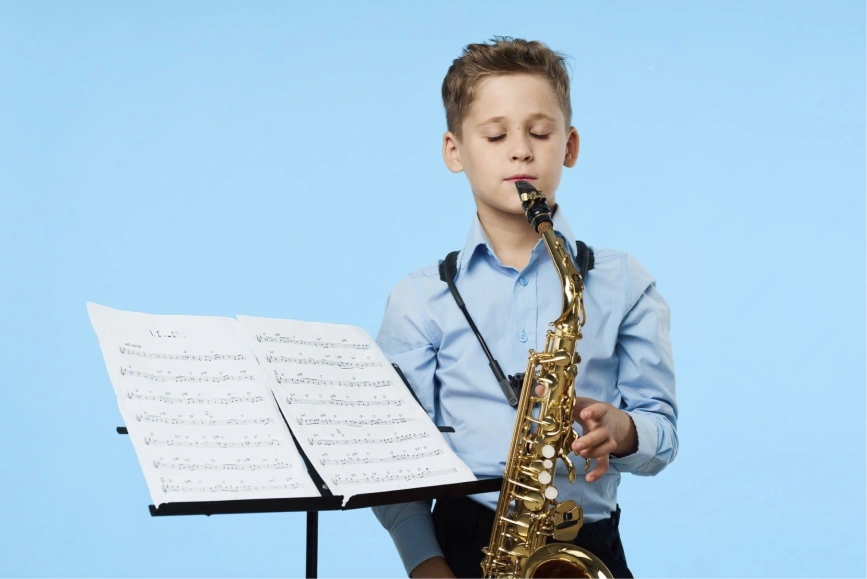
How Saxophone Lessons Impact Child Development
Adolphe Sax, a Belgian maker of instruments, created the saxophone in the early 1840s, and today it is heard in...

Altissimo: How Saxophonists Play Above the Normal Range
The saxophone has notes above those reached with its ordinary keys. This top register is called altissimo, Italian for “very...
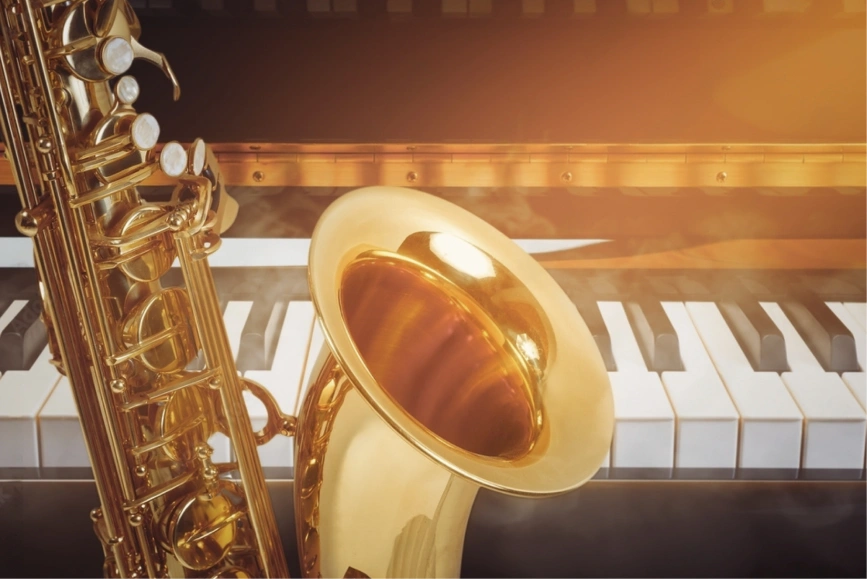
Jazz Improvisation on the Saxophone: For Advanced Players
Jazz improvisation means making up a melody on the spot over a sequence of chords. In jazz the chords often...
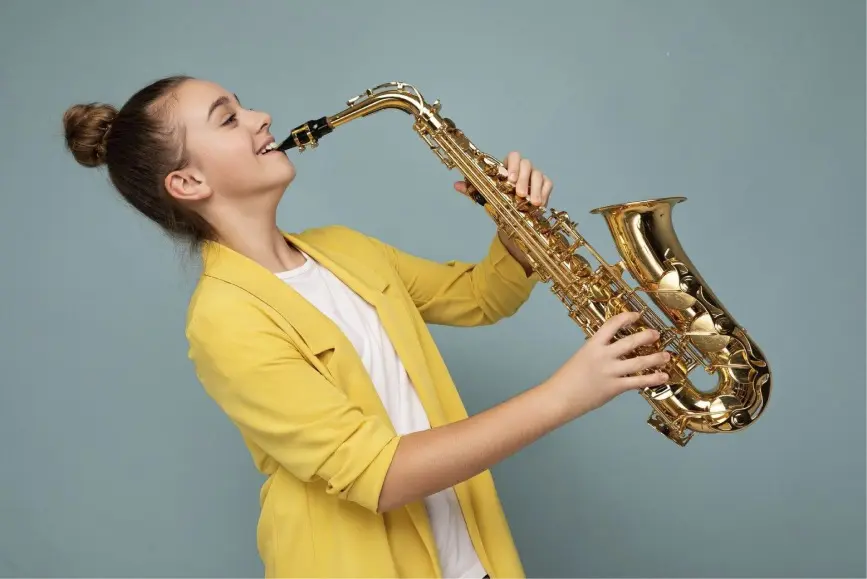
How a Saxophone Works: Body, Keys and Range
A saxophone looks like a brass instrument, yet it sounds different and is built differently. Here is what it is...
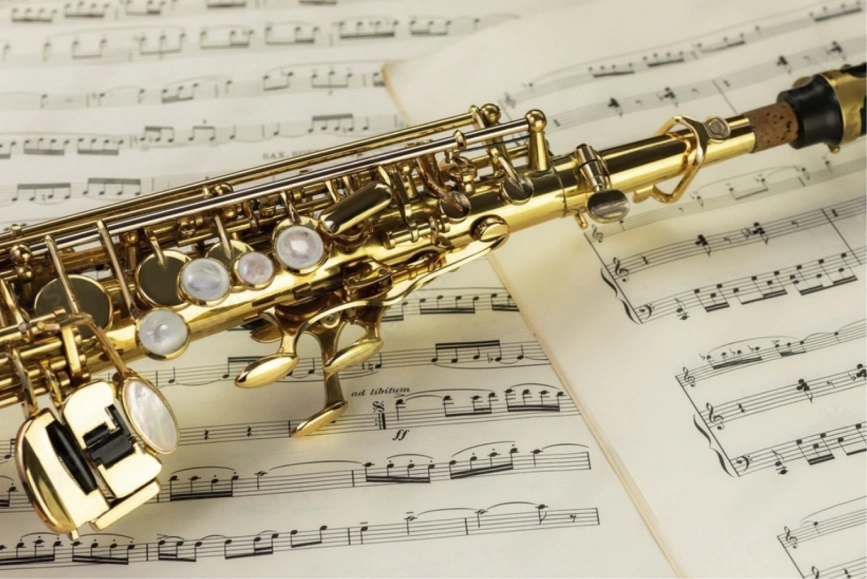
The Saxophone in the Concert Hall: Bizet, Ravel, Glazunov
The saxophone is best known from jazz, but it has had a place in the concert hall for some 150...
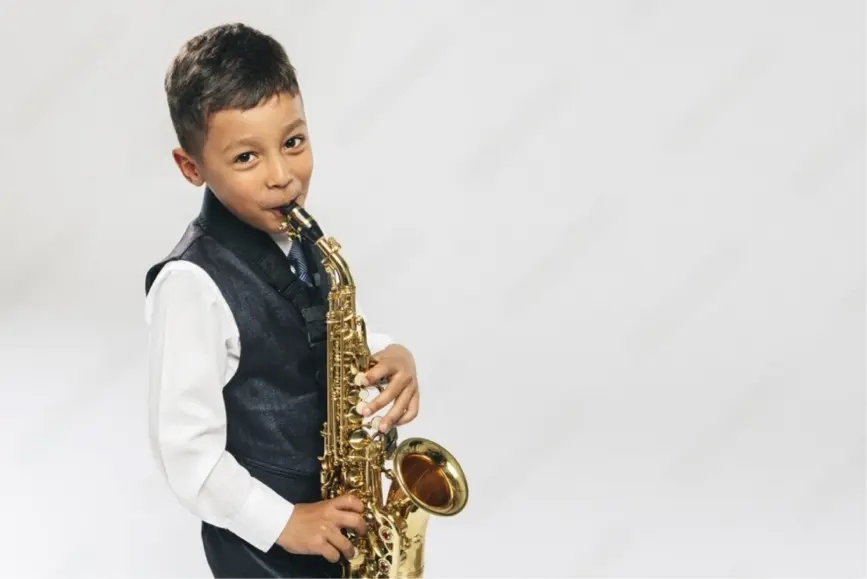
Choosing the Right Saxophone: A Guide for Beginners
Choosing a first saxophone comes down to three questions: which type, what condition it is in and what else you...
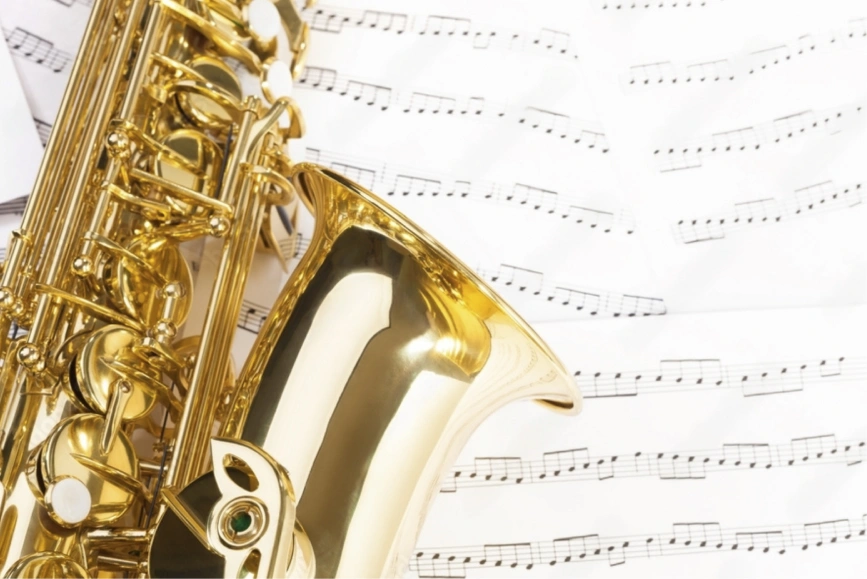
Why the Saxophone Sounds Different from Its Written Notes
If a saxophonist and a pianist play the same written note, two different pitches come out. The reason is that...
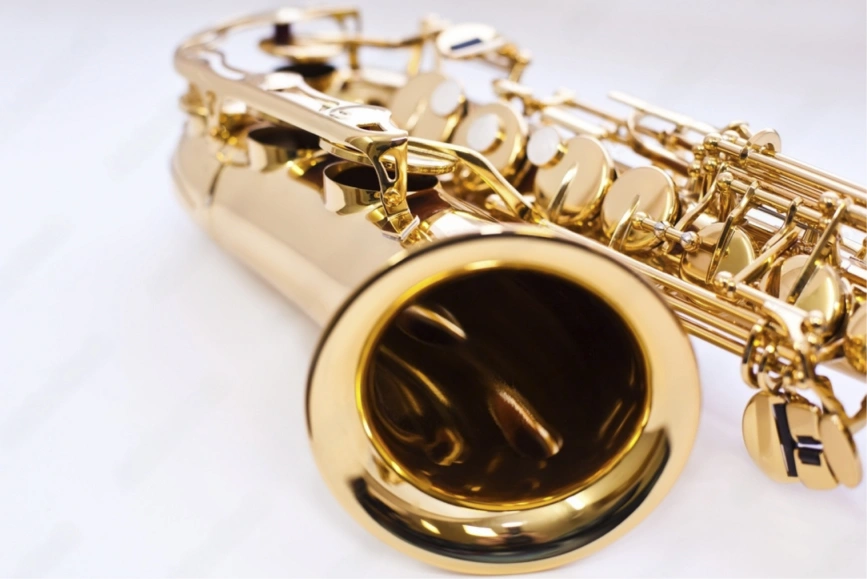
Saxophone Mouthpiece, Reed and Embouchure Explained
A saxophone’s sound starts not in the body but at the player’s lips, in the mouthpiece and reed. Here is...
Circular Breathing: Playing the Saxophone Without a Break
To take a breath, a wind player normally has to stop the sound. There is a technique, though, that lets...
The Genius Behind the Saxophone: Who Invented It, and When?
The saxophone is one of the few instruments with a known inventor and an exact date of birth. Here is...
The Classical Saxophone: Marcel Mule and Sigurd Raschèr
The saxophone is mostly linked with jazz, yet from the very start it had a classical life too. Here is...
The Saxophone Quartet: Soprano, Alto, Tenor and Baritone
The saxophone quartet is one of the best-known ensembles for the instrument. Here is which saxophones make it up, how...
Unusual Saxophones: From the Saxello to the Tubax
Besides the familiar alto, tenor and other saxophones, makers have often tried something new: straight, slide, tiny and huge saxophones....

The Saxophone in Military Bands: From France to America
Before jazz and the concert hall, the saxophone made its name in military bands. Here is how it entered those...
Great Saxophonists and Saxophone Hits
The saxophone is heard in jazz, pop and rock, and every era has its heroes. Below are fifteen names and...
The Saxophone Family: From Sopranino to Contrabass
The saxophone is really a whole family of instruments of different sizes and keys. Here is which saxophones Adolphe Sax...

What Saxophones Are Made Of: Brass, Silver and Lacquer
The saxophone is a woodwind, yet its body is metal. Here is what a saxophone, its keys and its small...
Saxophone for Beginners: Where to Start
Thinking of learning the saxophone? Here is how the instrument works, which saxophone to start on, what else you will...
Gallery