Online
Physics
Classes
We help students understand physics and improve their grades!


Trial Lesson
To book a trial lesson, sign up and pay $8.00.
The trial lesson is one-on-one and lasts 45 minutes.

Lesson Package
If you enjoyed the trial lesson, you need to purchase a lesson package by prepaying for at least 4 lessons.
The price of a 4-lesson package is $60.00 (one lesson costs $15.00).
Payment must be made at least 24 hours before the lesson starts.

Discounts
When you purchase 8 lessons or more, a discount applies. The more lessons, the more you save!
Course overview
At Montessori Center, school students study physics online. In our lessons, we cover school topics and practice explaining physical phenomena and solving problems independently.
The course includes intermediate and advanced levels. We set the difficulty of exercises based on the student’s grade level and current knowledge.
Lessons are held one-on-one with a teacher in real time. Each lesson lasts 45 minutes.
Teaching approach
Our approach to teaching physics follows the curriculum of the child’s school. We use textbooks and school materials.
The teacher explains the topic and works through examples with the student. The child then completes similar exercises independently, explains their work, and checks the answer.
Benefits of our approach
Addressing knowledge gaps: we review the concepts, laws, and calculation methods needed to understand a new topic.
Individual pace: we spend more time on challenging topics and move on once the student understands the material.
Reviewing mistakes: we check the formulas used, calculations, and units of measurement and learn to identify and correct errors.
Visual materials: we use diagrams, graphs, and worked examples that the student sees on screen.
Analyzing experiments: we discuss observed phenomena and measurement results and learn to explain them using the laws covered in lessons.
Intermediate level
The intermediate level is suitable for students learning the basics of physics. We work through textbook exercises by identifying what is known and what needs to be found, converting units, choosing formulas, and writing out calculations step by step.
Advanced level
The advanced level is designed for high school students with a basic knowledge of physics. We solve problems that require students to plan their approach, apply several laws, and justify their choice of formulas. Depending on the student’s goals, we study challenging topics from the school curriculum in more detail or prepare for exams.
Course goals
Master the school curriculum: understand the basic concepts and laws of physics, fill gaps in your knowledge, and reinforce learning.
Learn to solve problems independently: analyze the problem statement, choose formulas, perform calculations, and check the answer and units of measurement.
Prepare for tests, quizzes, and exams: review the relevant topics, work through common question types, and learn to plan how much time to spend on each question.
Understand physical phenomena: explain the results of observations and experiments using the laws covered.
Improve knowledge of physics: work through challenging topics and apply knowledge from several areas of physics to solve problems.
Benefits of online physics lessons
No commute: your child studies at home, leaving more time for other activities and rest.
Time zones: we agree on lesson days and times based on the student’s location and school schedule.
Communication with the teacher: during the lesson, students can ask questions, request another explanation, or work through a difficult problem in more detail.
Support between lessons: you can ask the teacher questions about the material and the administrator about scheduling and payments. We communicate via messaging apps and email.
News

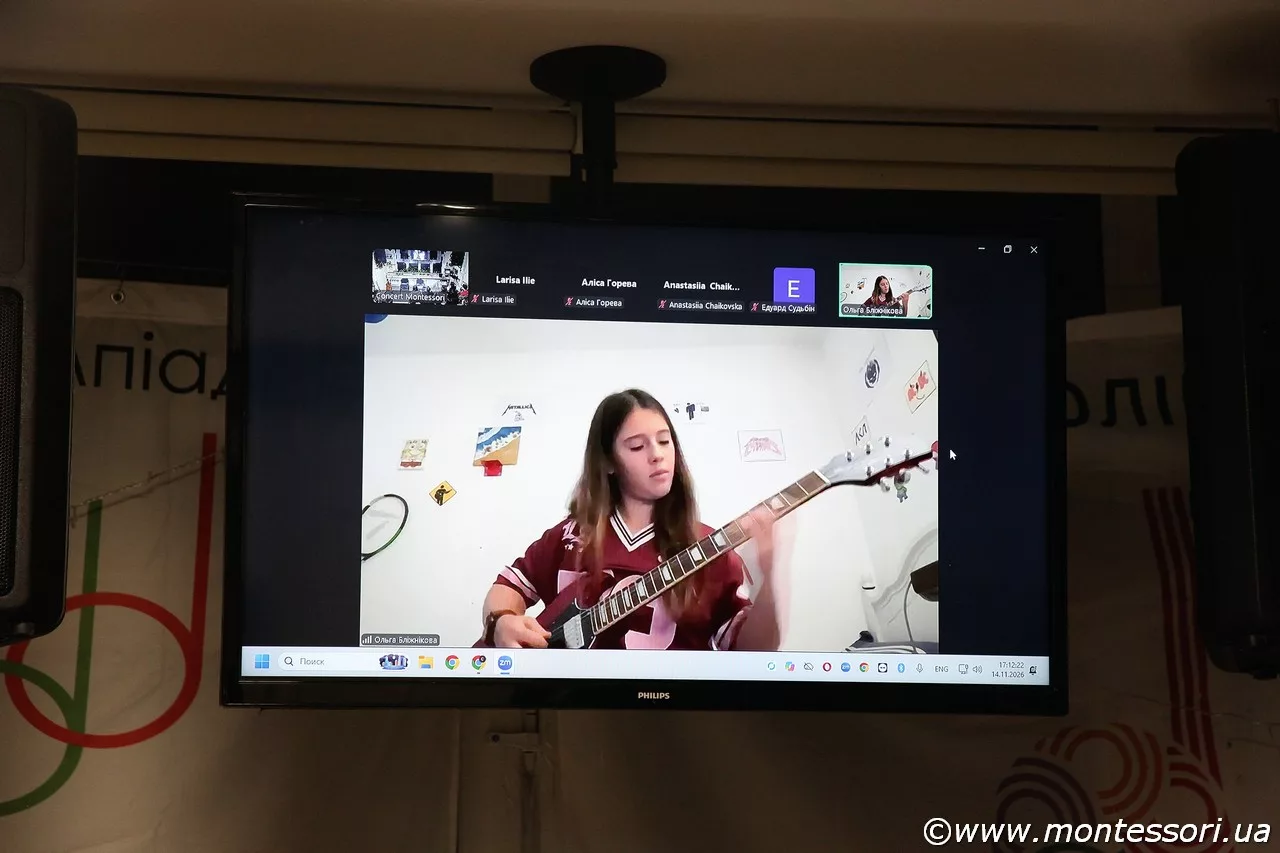



How online physics lessons work
Equipment: a computer or tablet with a camera and microphone is suitable for online physics lessons. A smartphone’s small screen may make it difficult to work on assignments.
Internet connection: a stable internet connection is needed for video calls and displaying learning materials.
Joining the lesson: we use Zoom or Google Meet. Before the first lesson, install the app if needed and check that the camera, microphone, and audio are working.
Headphones: we recommend a pair with a microphone so your child can hear the teacher clearly, ask questions, and explain the steps in their solution.
Study space: leave room next to the device for a textbook and a notebook. There should be enough light for writing and no glare on the screen.
Lesson link: check your email or messaging app before the lesson — we’ll send the link in advance.
Learning materials: keep the textbook, a notebook, and a pen or pencil handy. Have your child’s recent physics schoolwork ready for the first lesson: it will show the teacher which topics your child is currently studying.
Before the lesson starts:
Explaining the topic: the teacher explains the topic in detail using examples, diagrams, and graphs.
Questions: the child can ask the teacher any question or request clarification on an assignment they don’t understand.
Independent work: the student chooses a solution method, writes down formulas, and performs calculations. The teacher gives them time to think through the task and helps if difficulties arise.
Checking the solution: the student and teacher check the calculations and units of measurement. If they find an error, they return to the relevant step and correct it.
Lesson recap: the teacher briefly reviews the main points, explains the homework, and states the topic of the next lesson.
Work between lessons: the teacher sends assignments on the topic covered and, if needed, additional materials. While working through the assignments, the student writes down questions and marks difficult tasks to discuss with the teacher in the next lesson.
One-on-one online physics lessons help school students understand difficult topics and learn to solve problems independently.
Online Physics Course Curriculum
 Intermediate
level
Age: 13–15 years
(Grades 7–8 in Ukraine, Grades 8–9 in the USA)
Modules
School curriculum: we work through current physics topics based on the child’s grade level and learning materials.
Physical quantities: we study symbols and units of measurement and learn to convert values from one unit to another.
Laws and formulas: we discuss what they describe and when they can be applied.
Diagrams and graphs: we learn to find relevant data in them and use it to solve problems.
Problem solving: we analyze the problem statement, plan a solution, perform calculations, and check the answer.
Reviewing experiments: we discuss observed phenomena, analyze measurement results, and learn to draw conclusions.
Test preparation: we review the material covered and complete practice exercises.
 Advanced
level
Age: 15–17 years
(Grades 9–11 in Ukraine, Grades 10–12 in the USA)
Modules
School curriculum: we work through current physics topics based on the student’s grade level and learning materials.
Applying laws: we work out which laws are relevant to a problem and why they can be used.
Working with formulas: we isolate unknown quantities, rearrange equations, and check units of measurement.
Graphs and diagrams: we analyze relationships between quantities and find data for calculations.
Presenting solutions: we write down the given information, formulas, and calculations so that each step is clear.
More challenging problems: we plan a solution, apply knowledge from several areas of physics, and check the result.
Reviewing experiments: we compare measurement results with the predictions of the laws covered and explain possible discrepancies.
Exam and test preparation: we explore question formats, complete practice assignments, and learn to manage time.
We provide online physics lessons for students in Ukrainian, American, and European schools. We select lesson content and set the difficulty of problems based on the school curriculum, the child’s grade level, and their current knowledge. We explain laws and formulas through examples and help students understand difficult topics and prepare for tests, quizzes, and exams.
Start learning with a trial lesson!
Course Schedule
We teach every day, including weekends
To coordinate the day of the week and the time for your lesson, please write to us, and the administrator will arrange a convenient schedule for you!Contact Us


Student Reviews of the Course
Валерия Коляденко

Review language: Russian
Светлана
Review language: Russian
Olga
Review language: Russian
Наталья
Review language: Russian
Анастасия
Review language: Russian
Тетяна Соболь
Review language: Ukrainian
Валерія Ломанова

Review language: Ukrainian
Тамара
Review language: Ukrainian
Марія
Review language: Ukrainian
Frequently Asked Questions (FAQ)
Helpful Articles
High School Physics in the US: Courses and AP Physics
If your child attends an American school, physics works differently there than in Ukraine, with its own standards, its own...

How to Solve Physics Problems: A Step-by-Step Method
Many students know the formulas but freeze in front of a problem, unsure where to begin. A clear sequence of...
Units in Physics: The SI System and Unit Conversion
In physics problems, units are an easy way to get a wrong answer: mixing up grams and kilograms, or kilometers...
How to Help Your Child with Physics: Tips for Parents
Many students find physics hard, and parents often do not know how to help, especially if their own school physics...
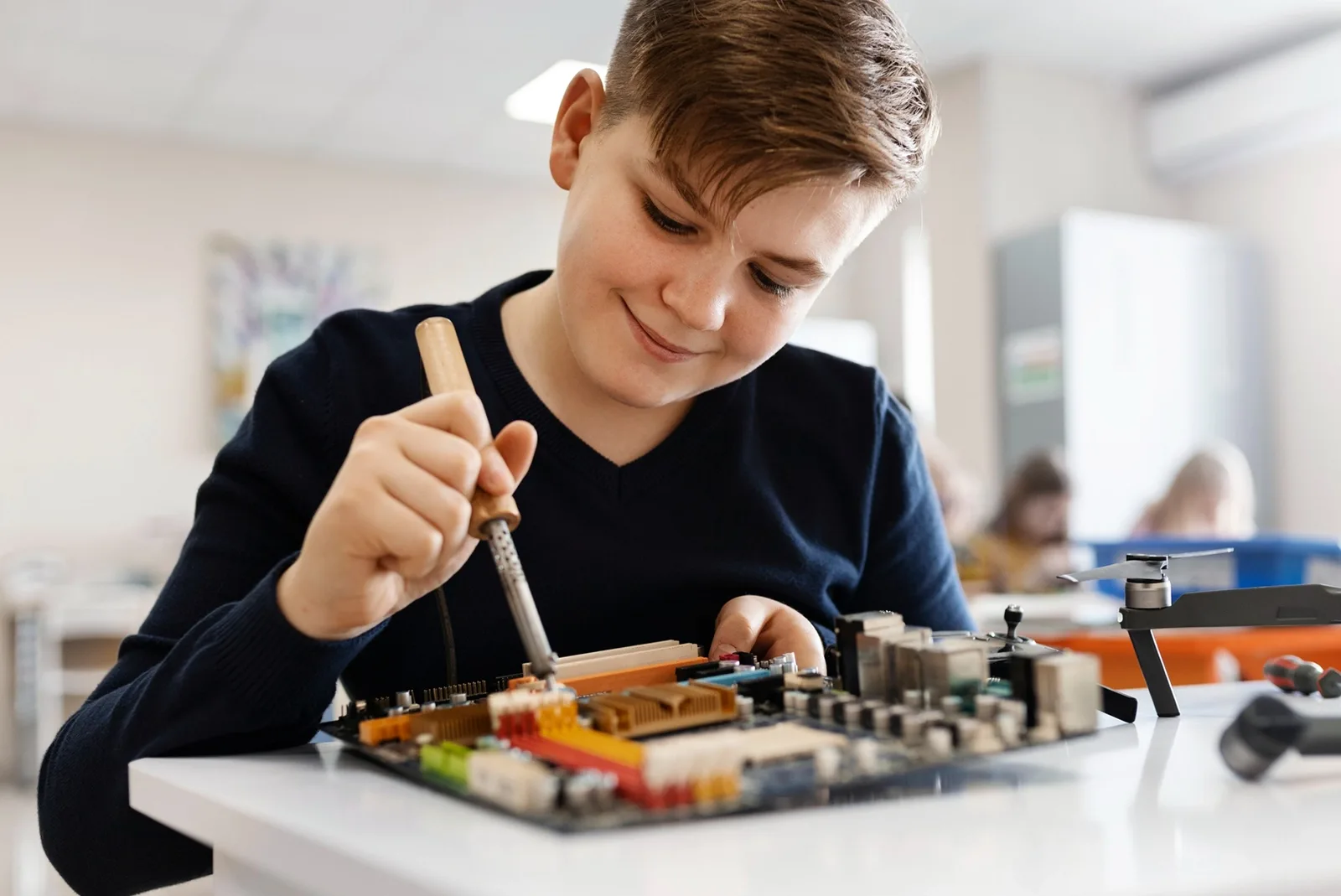
Ohm’s Law: Current, Voltage and Resistance
Ohm’s law links the three key quantities of an electric circuit: current, voltage and resistance. It is one of the...

Physics on Ukraine’s NMT: How to Prepare
The NMT, Ukraine’s National Multi-Subject Test, is the entrance exam for Ukrainian colleges and universities, and physics is one of...
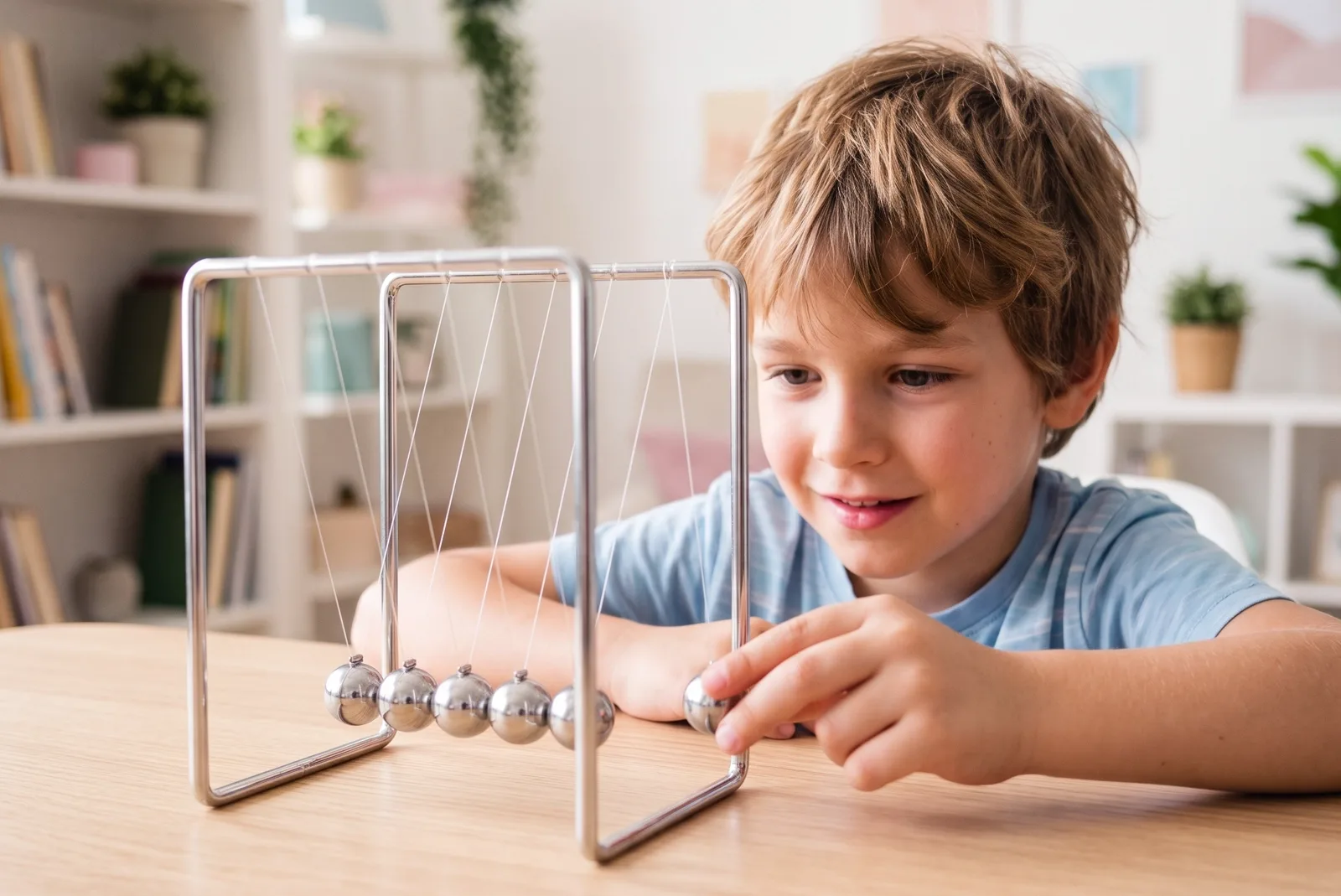
Newton’s Laws of Motion Explained with Examples
Newton’s three laws describe how the motion of an object depends on the forces acting on it. All of classical...
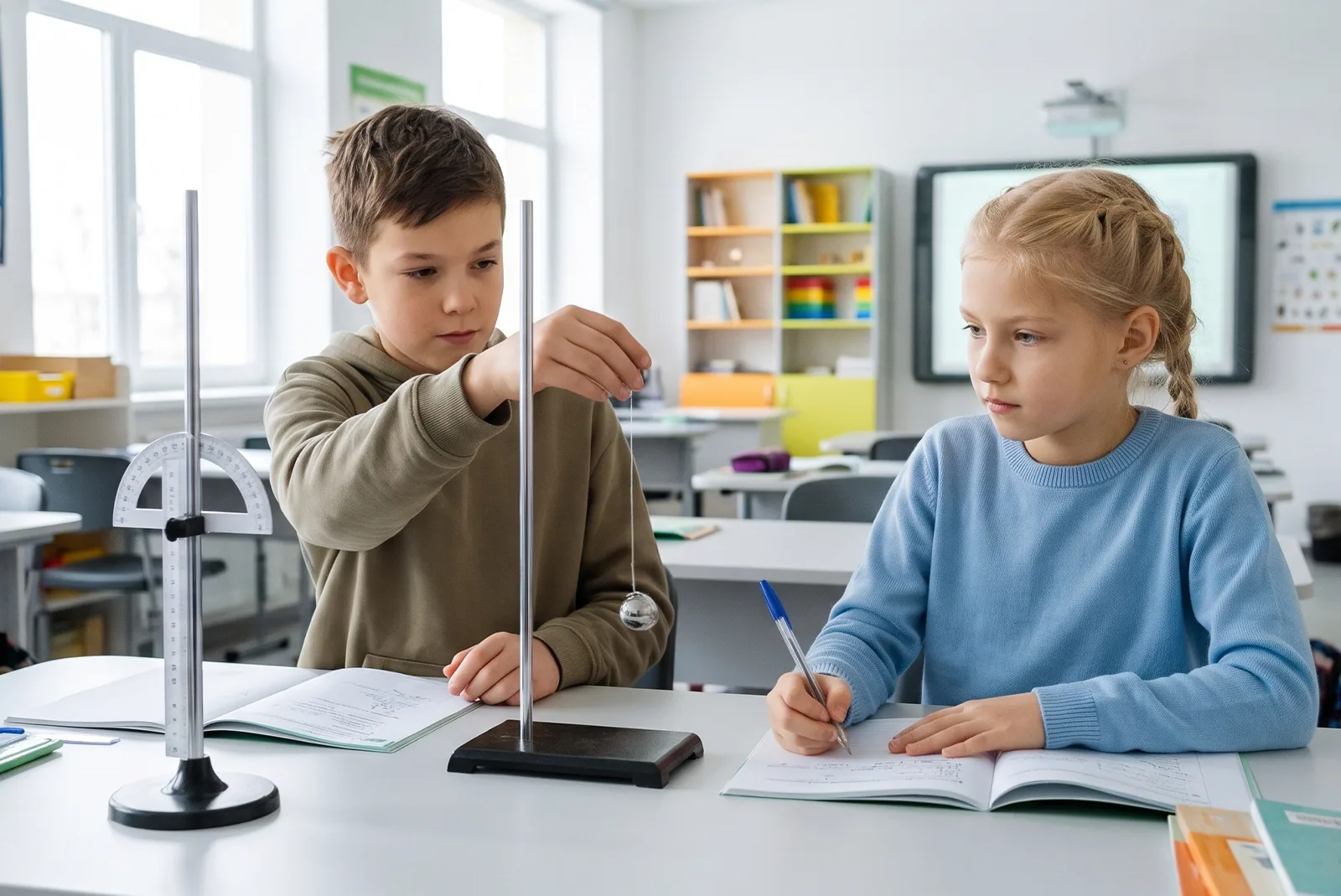
Motion Graphs in Physics: How to Read Them
A graph shows motion as a whole: where an object was, how fast it moved and how its speed changed....
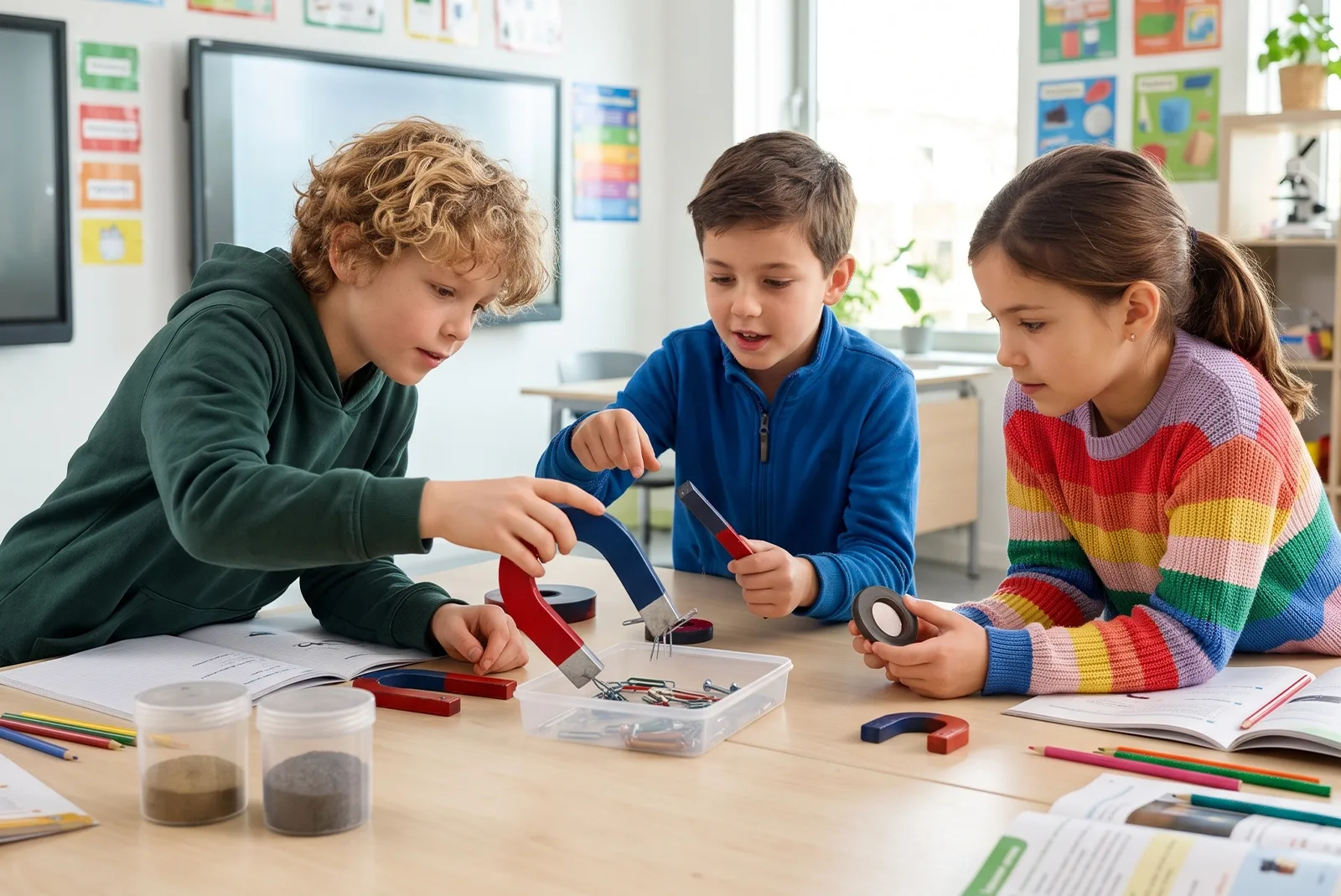
Easy Physics Experiments to Do Safely at Home
Physics makes the most sense when you see it with your own eyes, and many textbook effects can be shown...