Sh and Zh Sounds: How to Help a Child Say Them
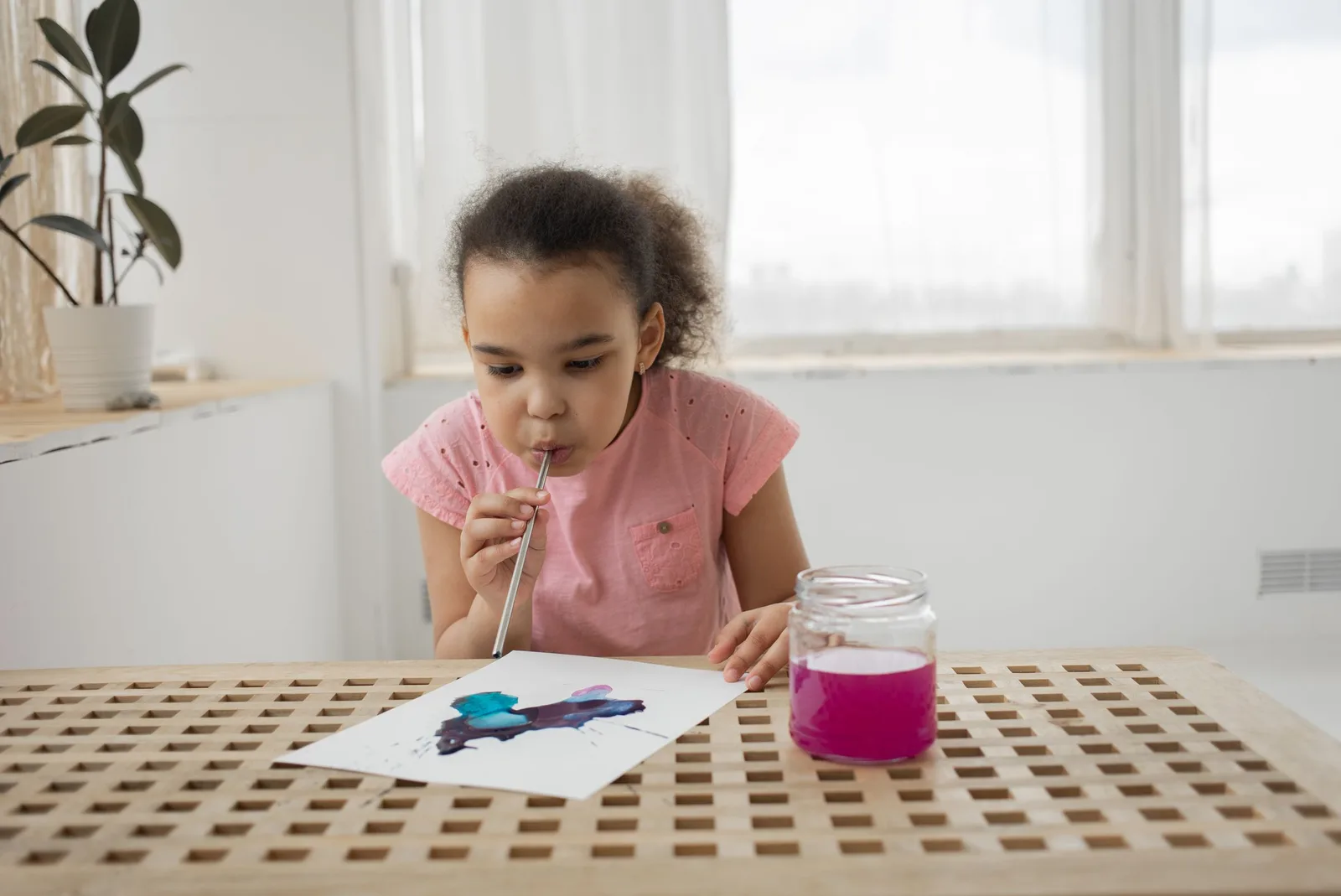
Sounds like sh, zh (the sound in “measure”) and ch are sibilants, and many children say them unclearly for a long time. Below is when these sounds usually appear, how and why they get distorted, how a speech therapist helps and what you can do at home.
When These Sounds Appear
A study covering 27 languages found that 90% of children produce affricates, sounds like ch and ts, by 4 years 11 months of age, and fricatives, which include sh, zh, s and z, by 6 years 11 months of age. On top of that, s, z, zh and ch may stay unclear up to age 8, and that can be normal. If difficulties last beyond the usual age, it is best to have your child seen by a speech-language pathologist.
How Sibilants Get Distorted
Mispronouncing sibilants is called a lisp, or sigmatism: the sounds come out distorted or disappear from speech. Here are a few of its types:
- interdental, when the tongue tip pokes out between the teeth and the sharp sound turns into a soft hiss;
- lateral, when the tongue is placed wrong and air escapes to one side or both;
- labiodental, when air strikes the lower lip and the sound comes out close to f;
- nasal, when air flows out through the nose.
Why It Happens
Most often the cause is not an injury or a birth defect but the tongue sitting in the wrong position. For example, the tongue may push past the front teeth during speech and swallowing. A short tongue tie may play a role, though the picture is not fully clear, and so may the bite. Dental work, braces and retainers can change speech for a while. Finding the cause is a job for a specialist.
How a Speech Therapist Teaches the Sound
- Assesses the child’s speech and draws up a plan.
- Shows where to place the tongue and lips; with an interdental lisp, for example, the child practices holding the tongue back, behind the front teeth.
- Starts with words that begin with the target sound and slowly raises the challenge with longer words, phrases and sentences and a faster pace.
- Builds the sound into syllables, words, phrases and sentences, and then into ordinary conversation.
- Finally, teaches the child to notice and fix their own mistakes.
Most speech sound problems can be put right in childhood, yet sometimes the errors stay into adult life, so no result can be guaranteed in advance.
How to Help at Home
- Repeat the exercises the therapist has shown you, since part of the work is teaching parents how to practice between lessons.
- Play with words that contain the target sound, starting with ones where it comes first.
- Turn practice into play with pictures, short stories and tasks matched to what your child enjoys and can do at that age.
- Point out what is already going well.
Basic exercises for speech development are collected in Basic Speech Therapy Exercises for Children.
Our Speech Therapy Lessons
In our lessons, the speech therapist first assesses how the child speaks and discusses with the parents what they hope will change, then draws up a plan covering pronunciation, vocabulary, connected speech, reading and writing, and shows parents how to repeat the exercises at home. Lessons are open to children from age 5. A trial lesson costs $8: it is individual and lasts 45 minutes. More about the course is on the Speech Therapy Classes page.


