Online
Drum
Classes
On our drumming course, you will learn rhythms and playing techniques, practise the drum parts of your favourite songs and prepare to perform in online concerts!






Trial Lesson
If you want to book a trial drums lesson, you need to schedule and pay $8.00.
The trial lesson is conducted individually and lasts for 45 minutes.

Subscription
If you enjoyed the trial lesson, you can purchase a subscription by making a prepayment for at least 4 lessons.
The price of a 4-lesson subscription is $60.00 (the cost of one lesson is $15.00).
Payment must be made at least 24 hours before the lesson's start time.

Discounts
When you purchase 8 lessons or more, a discount applies. The more lessons, the more you save!
Course Overview
Our online drum course is suitable for children aged 8 and above, as well as adults. You will explore rhythmic patterns, learn to play and practise the drum parts of your favourite songs. The programme includes beginner, intermediate and advanced levels. No previous musical experience is needed to start, and for those who already play, the teacher will select material suited to their level.
Lessons are individual and last 45 minutes. You can study in Russian, Ukrainian or English. We agree on the schedule and teaching language before lessons begin.
Lessons take place in real time on Google Meet or Zoom. Your teacher demonstrates techniques, listens to your playing and helps you correct mistakes. Our teachers hold higher education qualifications in music and have teaching experience; many also perform in concerts and take part in music projects.
We recommend lessons with your teacher twice a week, with exercises and passages to practise at home between lessons. The duration of independent practice is discussed with your teacher and depends on your age, level and current assignments.
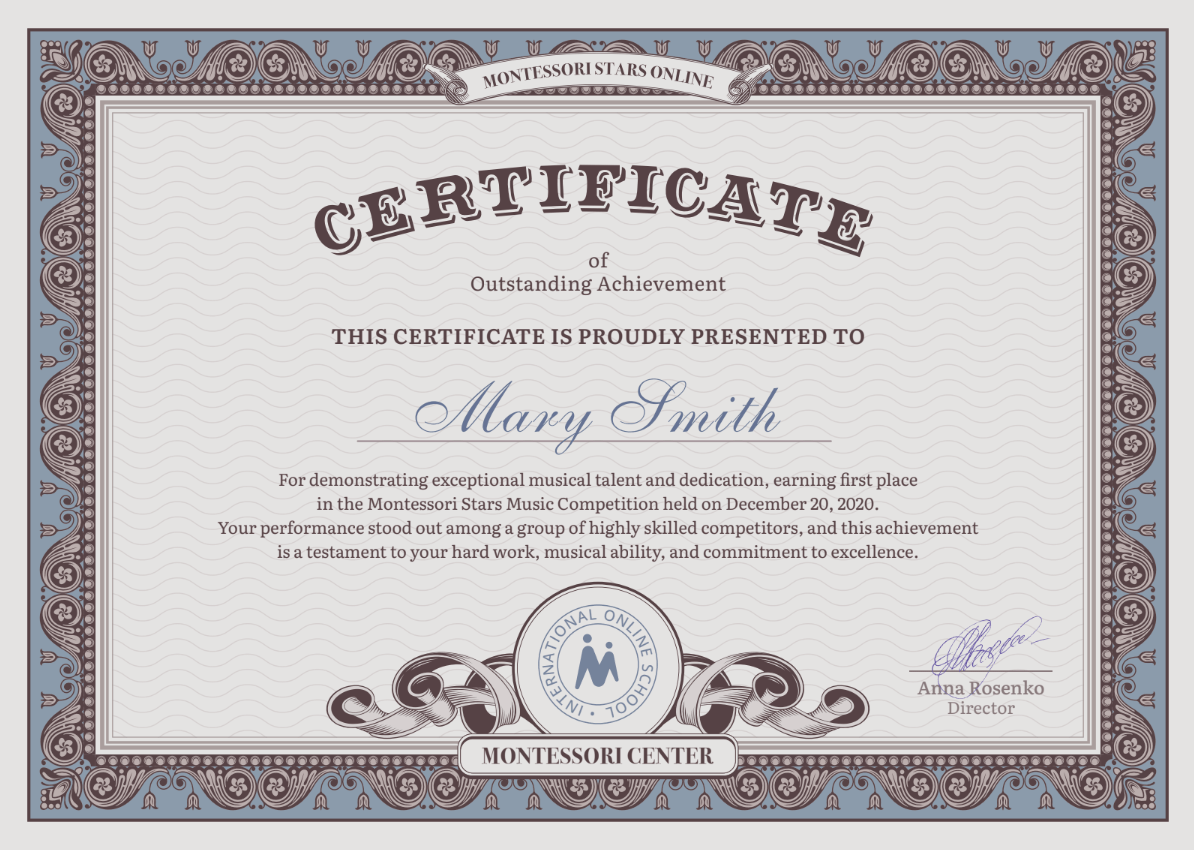
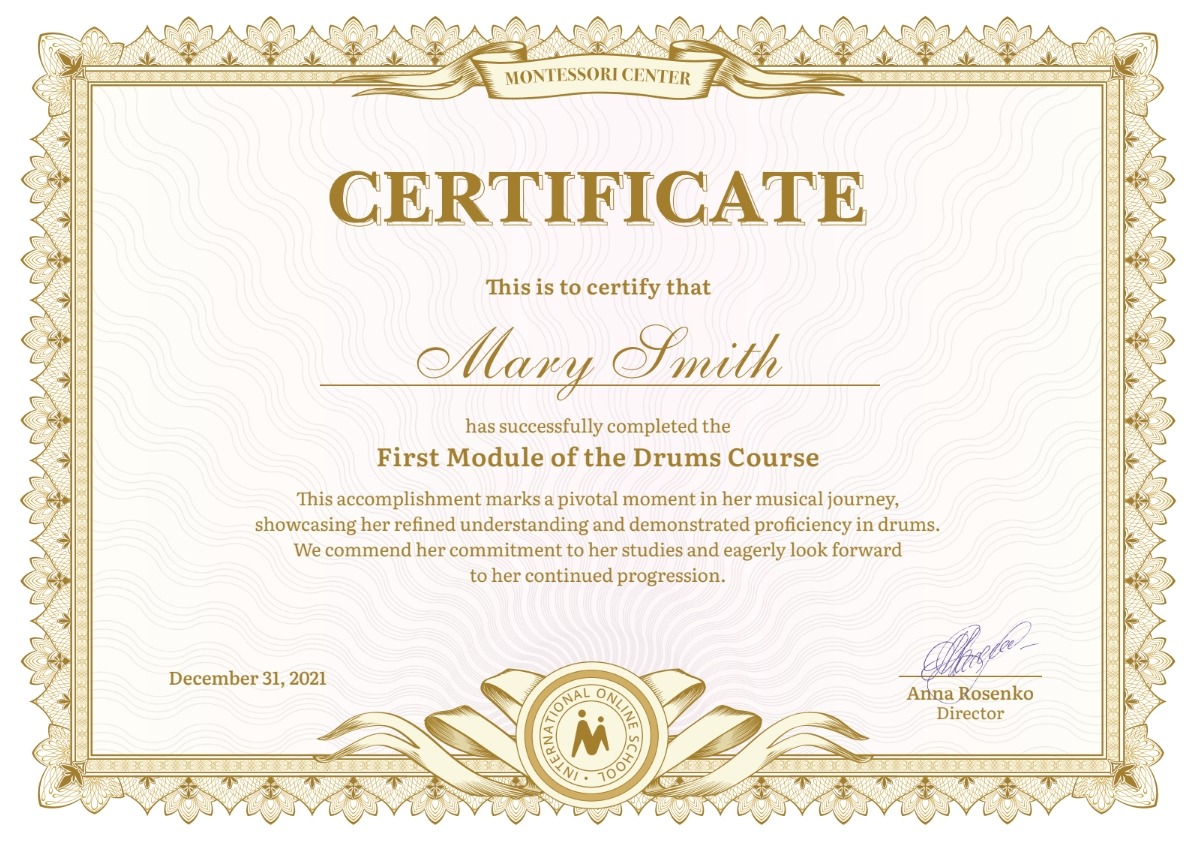
You can perform the pieces you have prepared in the school’s online concerts and competitions. Students receive certificates upon completing each module and level.
Teaching Approach
At the start of the course, the teacher gets to know the student and discusses their experience and musical interests. They then select exercises and pieces that build technique step by step. Beginners start with posture at the kit, stick grip and basic strokes. Experienced students work on accuracy, more complex rhythms and playing techniques.
We break each new part into short passages. First, the student reads the rhythmic pattern and tries playing it slowly. If needed, they practise sections separately before playing the whole part. The teacher helps them maintain a steady tempo, place accents and play fills.
Once the main passages are secure, the student learns to play the complete part with a backing track. It is important to listen for the introduction, follow the structure of the piece and move between sections at the right time. The prepared programme can be performed in an online concert or competition, followed by a discussion of the performance with the teacher.
Benefits of the Teaching Approach
Clear tasks: the teacher explains what needs improvement in an exercise or part and demonstrates how to work on it.
Gradual progression: new rhythms and techniques are introduced once the previous material is secure. More time can be devoted to a difficult passage.
Technique through repertoire: students learn techniques in exercises, then apply them when playing their chosen drum parts.
Feedback: the teacher pays attention to posture, movement, rhythm and sound, helping students notice and correct inaccuracies.
For children and adults: the difficulty of assignments, explanations and repertoire are adapted to the student’s age, experience and interests.
No exams: students can demonstrate their progress in online concerts and competitions.
Continued learning: after completing the programme, students can explore more challenging pieces, learn techniques from different styles and develop their drum improvisation skills.
Course Levels
Beginner level: an introduction to the drum kit, posture, stick grip and pedal technique. Students learn simple rhythmic patterns, read drum notation and coordinate hand and foot movements. The programme includes exercises for even strokes, basic fills and straightforward parts played with accompaniment.
Intermediate level: work on a wider range of rhythms, accents and dynamics. Students learn pieces of intermediate difficulty, practise transitions between sections and return to the main rhythm after a fill. Greater attention is given to accuracy and how the drum part interacts with the accompaniment.
Advanced level: learning complex parts and playing techniques in different musical styles. Students refine the speed and accuracy of their strokes, work on expression, and try improvising and playing drum solos. Together with their teacher, they prepare a programme for an online concert or competition.
Course Goals
Playing technique: develop proper posture, stick grip and pedal technique, and learn to play accurate strokes without unnecessary tension.
Hand and foot coordination: learn to play different elements of a drum part simultaneously, gradually progressing from simple combinations to more complex ones.
Music notation: read drum notation, understand note values, rests and accents, and work through rhythmic patterns independently.
Rhythm and tempo: learn to play evenly, come in at the right moment, perform fills and maintain the tempo when moving between passages.
Repertoire: learn pieces in different styles and understand what distinguishes their characteristic drum parts.
Playing with accompaniment: hear the other instruments in a backing track, follow the structure of the piece and play your part from beginning to end.
Improvisation: experiment with combining familiar rhythms and techniques, creating fills and short solo passages.
Performance preparation: rehearse a programme for online concerts and competitions, and gain experience playing for an audience.
Benefits of Drum Lessons
Sense of rhythm: working with note values, rests and accents helps students hear and reproduce rhythmic patterns more accurately. Metronome exercises teach them to maintain a steady tempo.
Coordinated movement: at the drum kit, the hands and feet perform different tasks. Students gradually learn to combine these movements and play parts that initially seemed difficult with greater confidence.
Attentive listening: playing requires following your own part, listening to the accompaniment and noticing changes between sections. Students learn when to maintain the main rhythm, emphasise an accent or play a fill.
Musical memory: learning a piece helps students remember sequences of rhythms, transitions and rests. Over time, they rely less on notation and become better at following the piece by ear.
Independence: home practice teaches students to organise their time, repeat difficult passages at a suitable tempo and assess the results. The teacher helps establish this routine so students can gradually work through assignments independently.
Creative practice: familiar rhythmic patterns can be varied, combined and enhanced with accents. This gives students a way to explore improvisation and discover different approaches to playing.
Performance confidence: learning a part and gaining online performance experience help students recognise their progress. Rehearsals teach them to play a complete piece and continue after a small mistake.
Time for favourite music: lessons offer the chance to learn the drum part of a song you have always wanted to play and hear a familiar piece from a performer’s perspective.
At your first lesson, you will meet your teacher and discuss your musical interests. Beginners will learn how to sit at the kit and hold the sticks, and try their first exercises. If you already play, you can perform a familiar part and decide together what to work on next.
News


How Drum Lessons Are Conducted
Equipment: have your drum kit, drumsticks and a computer or tablet with a camera and microphone ready. Position the device so your teacher can see your posture and movements and you can comfortably look at the screen.
Internet connection: check your connection before the lesson. A stable connection will help you hear your teacher’s explanations and watch technique demonstrations without interruptions.
Lesson platform: lessons take place on Zoom or Google Meet. Check in advance that the link opens on your device. If needed, install the app and allow access to your camera and microphone.
Sound: headphones will help you hear your teacher and musical examples more clearly. Play a short rhythmic pattern at the start of the lesson so your teacher can check that both the drums and your voice are clearly audible. If you use an electronic drum kit, connect it to an amplifier with a speaker and adjust the volume.
Lesson link: we will send it in advance by email or through a messaging app. Check that you have received the message and have the link handy.
Sheet music and exercises: print out the lesson materials or open them on screen. Position them so you can read while playing without changing your seating position.
Camera and practice space: sit at the drum kit and check the camera view. Your teacher should be able to see your face, upper body, hands and footwork. Have your drumsticks ready and make sure you can comfortably reach the drums, cymbals and pedals.
Joining the lesson: open the Zoom or Google Meet link 5–10 minutes before the lesson. Check your camera and microphone — this will leave time to resolve any technical issues before the lesson starts.
Teacher’s guidance: your teacher will explain how to hold the sticks, play strokes and use the pedals. As you play, they will observe your posture, movements and rhythm, and suggest any adjustments.
Questions: if something is unclear or you find a movement difficult, ask to go through it in more detail. Your teacher will help identify the difficult passage and suggest an exercise to work on it.
Practice: you spend most of the lesson playing: doing exercises and learning rhythms, fills and drum parts for your chosen pieces. First, you practise individual passages, then try playing the complete part with a backing track.
Technique demonstrations: your teacher will play an exercise or passage at the intended tempo, then demonstrate it slowly. You will be able to observe the movements, hear the accents and repeat it after the teacher’s explanation.
Wrapping up: together with your teacher, you will identify what is going well and what still needs work. Your teacher will explain the homework and suggest which exercises and passages to practise before the next lesson.
For home practice, your teacher will select sheet music and exercises and explain which rhythms and passages to work on before the next lesson. If needed, they will send a recording of the piece, a backing track or a video demonstrating a technique.
You can do more than listen to your favourite song — you can play it too! In your drum lessons, your teacher will help you choose a part that suits your level, learn its rhythm and gradually work towards playing the whole piece with a backing track.
Drum Teachers

Ihor Dovhodko
Drums

Vadym Kohut
Drums
Drum Course Program
 Beginner
level
Beginner
level
Age: 8 and up
Modules
Getting to know the drum kit: posture, stick grip and pedal technique. First exercises for hand and foot coordination.
Learning simple rhythmic patterns. Music notation basics: note values, rests and notation for drums and cymbals.
Playing with a metronome and sight-reading simple exercises. Working on a steady tempo and accurate strokes.
Learning basic fills and returning to the main rhythm. Gradually increasing speed while maintaining even, precise playing.
Learning simple drum parts with backing tracks. Working on the introduction, transitions between sections and the ending of a piece.
Preparing to play a chosen piece from beginning to end with accompaniment. Rehearsing and performing in an online concert.
 Intermediate
level
Intermediate
level
Age: 10 and up
Modules
Learning drum parts of intermediate difficulty. Working on hand and foot coordination, accents and dynamics.
Learning more complex fills and transitions between sections of a piece. Playing the complete part with a backing track while maintaining a steady tempo.
Exploring rhythms and playing techniques in rock, jazz, pop, blues and Latin music through selected pieces.
Preparing a concert programme: working on accuracy and expression. Rehearsing and performing in an online concert or competition.
 Advanced
level
Advanced
level
Age: 12 and up
Modules
Learning complex rhythmic patterns. Working on accuracy at different tempos, accents and dynamics.
Learning complex drum parts with backing tracks. Working on transitions, rhythm changes and how the drums sound alongside other instruments.
Improvisation practice: combining familiar rhythms and techniques and creating original fills. Preparing and performing a drum solo.
Preparing a final piece: rehearsing, recording a performance or performing in an online concert or competition. Discussing the results with the teacher.
The drum course is suitable for children aged 8 and above and adults of any age. The programme includes beginner, intermediate and advanced levels. Beginners can start from scratch with no previous musical experience. For those who already play, the teacher will help choose a programme suited to their experience and skills. Students receive a diploma upon completing each level.
Book a trial lesson to meet your teacher and try playing your first rhythm on the drums. If you already have some playing experience, play a familiar part and discuss which pieces you would like to learn.
Course Schedule
We teach every day, including weekends
To coordinate the day of the week and the time for your lesson, please write to us, and the administrator will arrange a convenient schedule for you!Contact Us


Student Reviews of the Course
Andrei Sobolev

Sofia
Mark Sullivan
Станислава Р.
Review language: Russian
Артур
Review language: Russian
Нина З.
Review language: Russian
Тимур
Review language: Russian
Laura
Review language: Spanish
Lucas
Review language: Spanish
Elena Torres
Review language: Spanish
Frequently Asked Questions (FAQ)
Helpful Articles
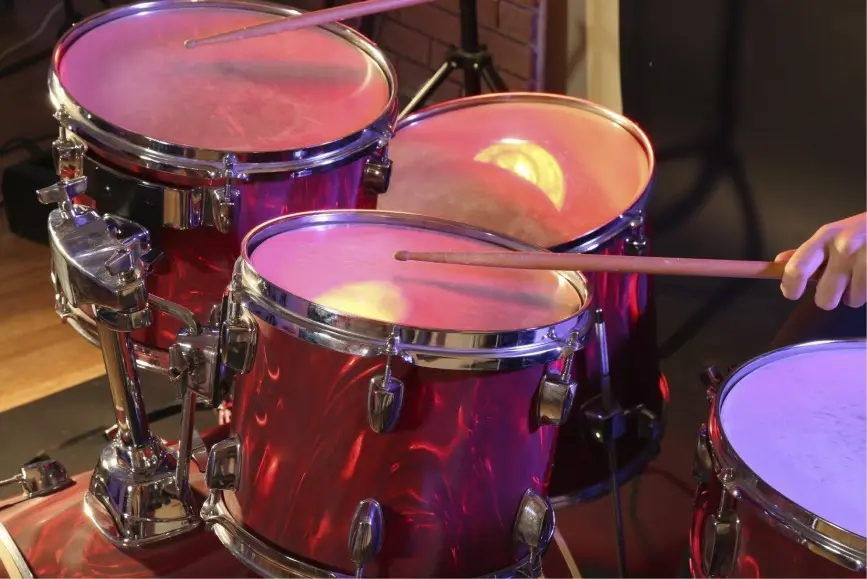
Online Rhythm: Exploring the Benefits of Drum Lessons in the Virtual World
In the rapid flow of the digital era, learning to play musical instruments has transcended traditional boundaries, introducing the rhythm...
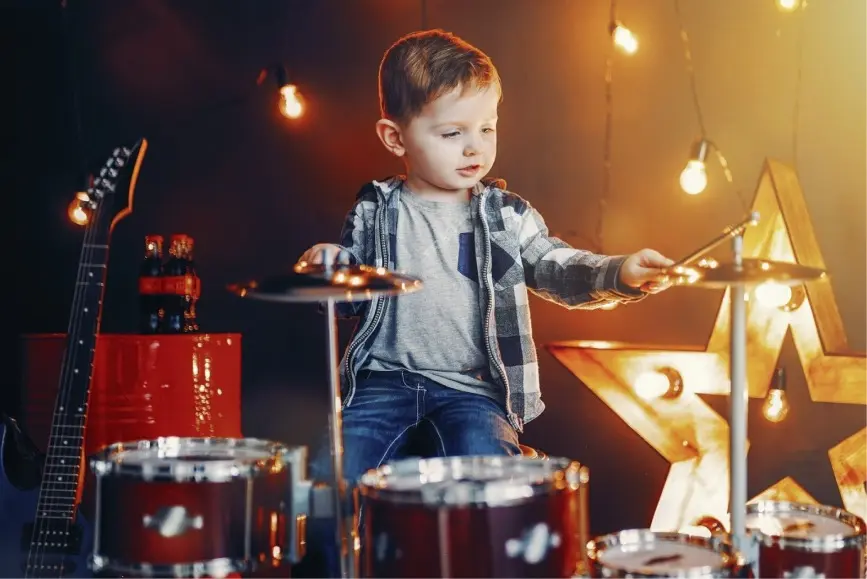
First Beats: When to Start Drum Lessons and Age-Specific Learning Traits
Choosing the moment to start a child's drum lessons is a pivotal decision that can significantly impact their musical development...
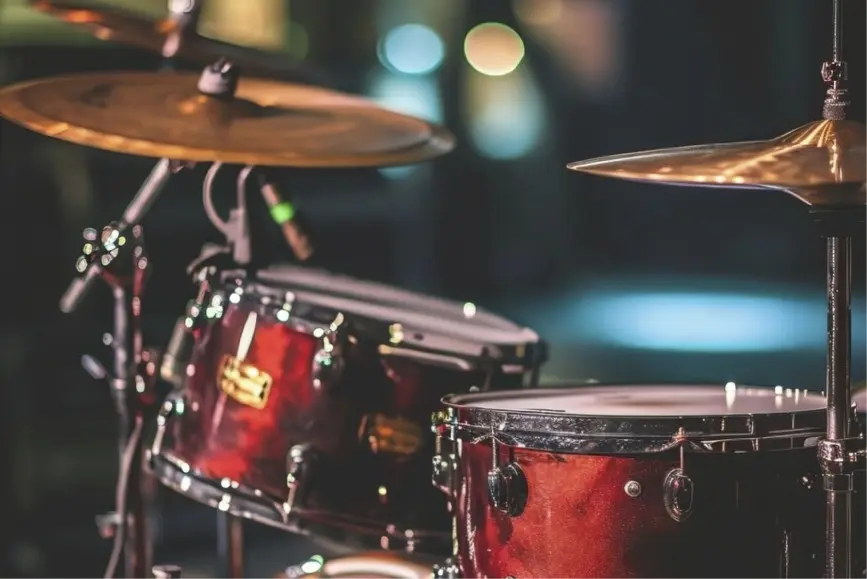
How to Properly Choose Your First Drum Set?
Selecting your first drum set is an exhilarating moment for every budding drummer. It's crucial to approach this process thoughtfully,...
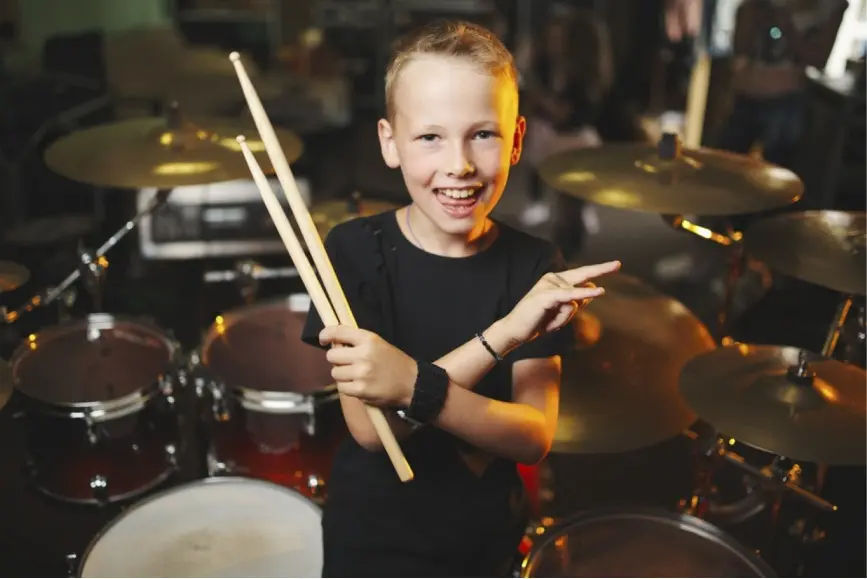
Beats in the Air: Online Drum Lessons and Their Impact on Musical Education
In a world where technology constantly reshapes our lives, online drum lessons emerge not merely as a trendy novelty but...
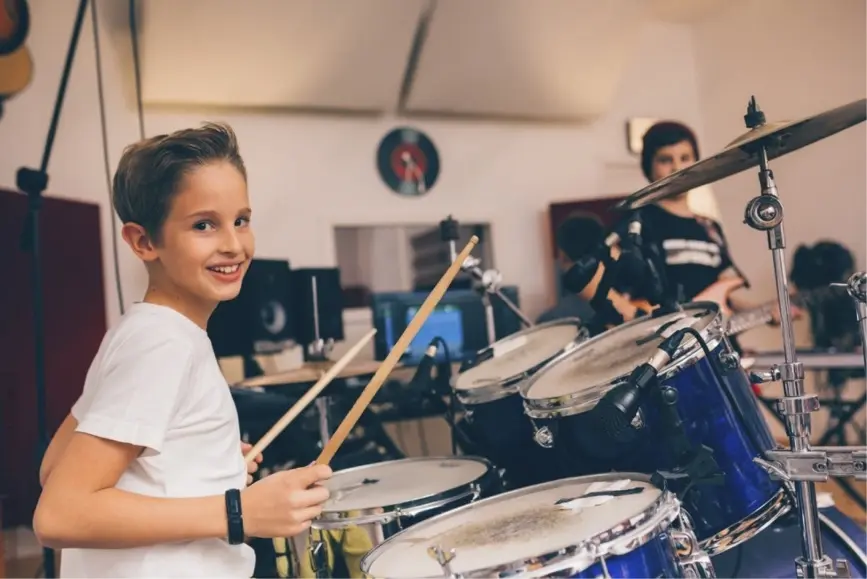
Drumbeat Together: In Rhythm
Playing drums in a group for children opens a world of interaction, harmony, and fun. This amazing experience not only...
The Benefits of Drum Lessons for Children
Learning to play the drums offers children a range of benefits that extend far beyond the simple joy of making...
Masters of Rhythm: A Look at Legendary Drummers of the World
In the music world, drummers often stand behind the scenes, yet their contribution to the creation and evolution of musical...
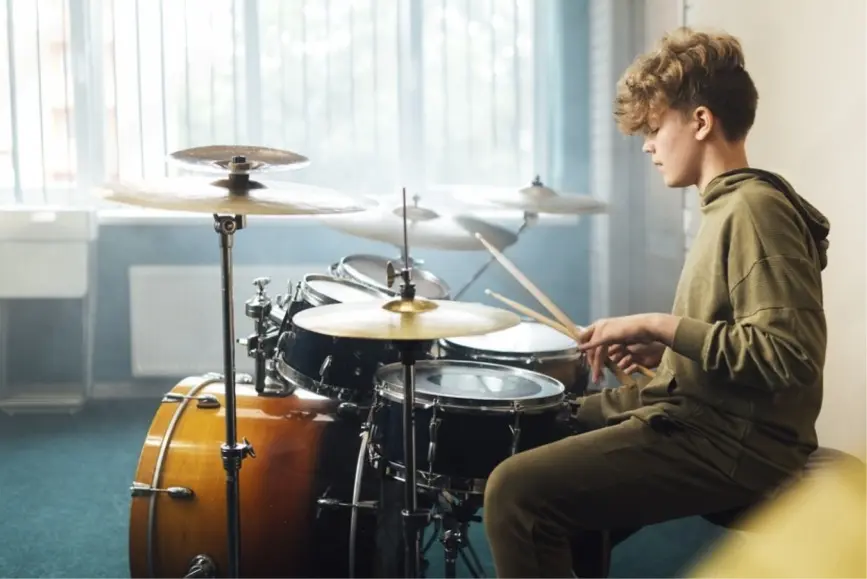
Sounds of Home: Online Drum Lessons as the New Music Trend
In our technological era, digital technology is making its way into various aspects of our lives, and music education is...
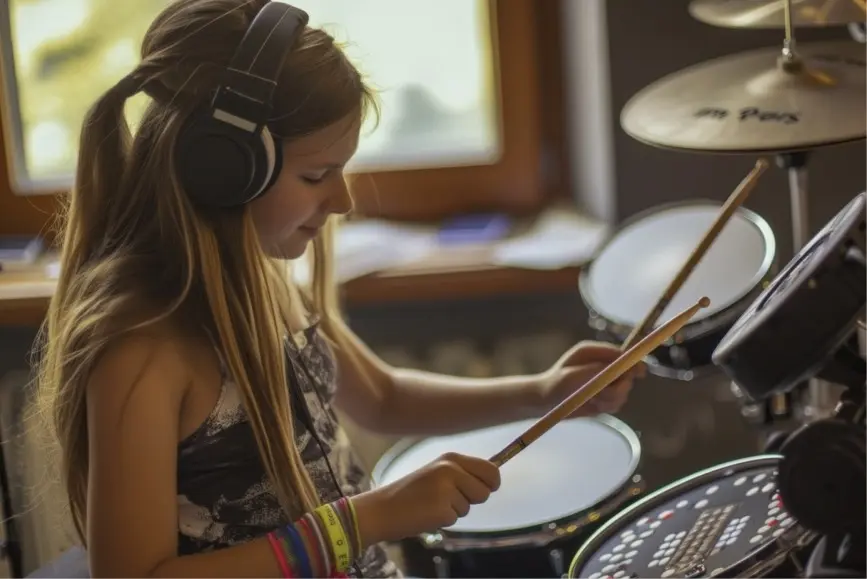
The Heartbeat of the Band: The Invaluable Role of the Drummer in a Musical Ensemble
The drummer in a musical ensemble is not just a musician who provides rhythm; they are the foundation upon which...
Gallery