Online
Speech Therapy
Classes
Individual online sessions for children aged 5 and up: pronunciation practice, language development and support with reading and writing.


Trial Lesson
To book a trial lesson, sign up and pay $8.00.
The trial lesson is one-on-one and lasts 45 minutes.

Lesson Package
If you enjoyed the trial lesson, you need to purchase a lesson package by prepaying for at least 4 lessons.
The price of a 4-lesson package is $60.00 (one lesson costs $15.00).
Payment must be made at least 24 hours before the lesson starts.

Discounts
When you purchase 8 lessons or more, a discount applies. The more lessons, the more you save!
Course Overview
Individual online speech therapy sessions are designed for children aged 5 and up. Sessions focus on pronunciation and connected speech, with reading and writing activities added as needed.
At the first session, the speech therapist gets to know your child, listens to them speak and talks with you about what your child finds difficult. The therapist then decides where to start.
Our Approach
The speech therapist shows your child how to do an exercise and gives them time to try it on their own. If a task is difficult, the therapist breaks it down into smaller parts. For example, your child first practices saying a sound on its own, then uses it in syllables, words and phrases.
Benefits of Our Approach
Working at your child’s pace. The therapist chooses activities that match what your child can already do. More challenging exercises can be revisited at the next session.
Learning through play. Your child might name objects in a picture, finish a phrase or act out a short dialogue. The therapist chooses activities that suit your child’s age and interests.
Feedback. The therapist tells you what your child has learned and what to practice at home. They also show you how to do the exercises between sessions.
Course Goals
Pronunciation. Practice sounds that are difficult to pronounce and use them in everyday conversation.
Recognizing speech sounds. Learn to hear the difference between similar sounds and identify them in words.
Vocabulary and grammar. Build vocabulary and learn to combine words correctly in sentences.
Speech rate and intonation. Learn to pause at natural points and emphasize key words.
Connected speech and communication. Learn to ask questions, keep a conversation going and recount events in order.
Reading and writing. Learn to read syllable by syllable and understand the text. The therapist chooses activities to suit your child’s current level.
Online Sessions and Scheduling
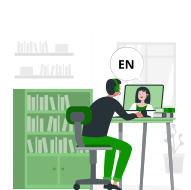
Your child joins from home and works with the speech therapist in real time. One parent stays nearby to help with the equipment or an activity if needed.
Our administrator will help you choose days and times that work for you, taking your time zone into account.
News

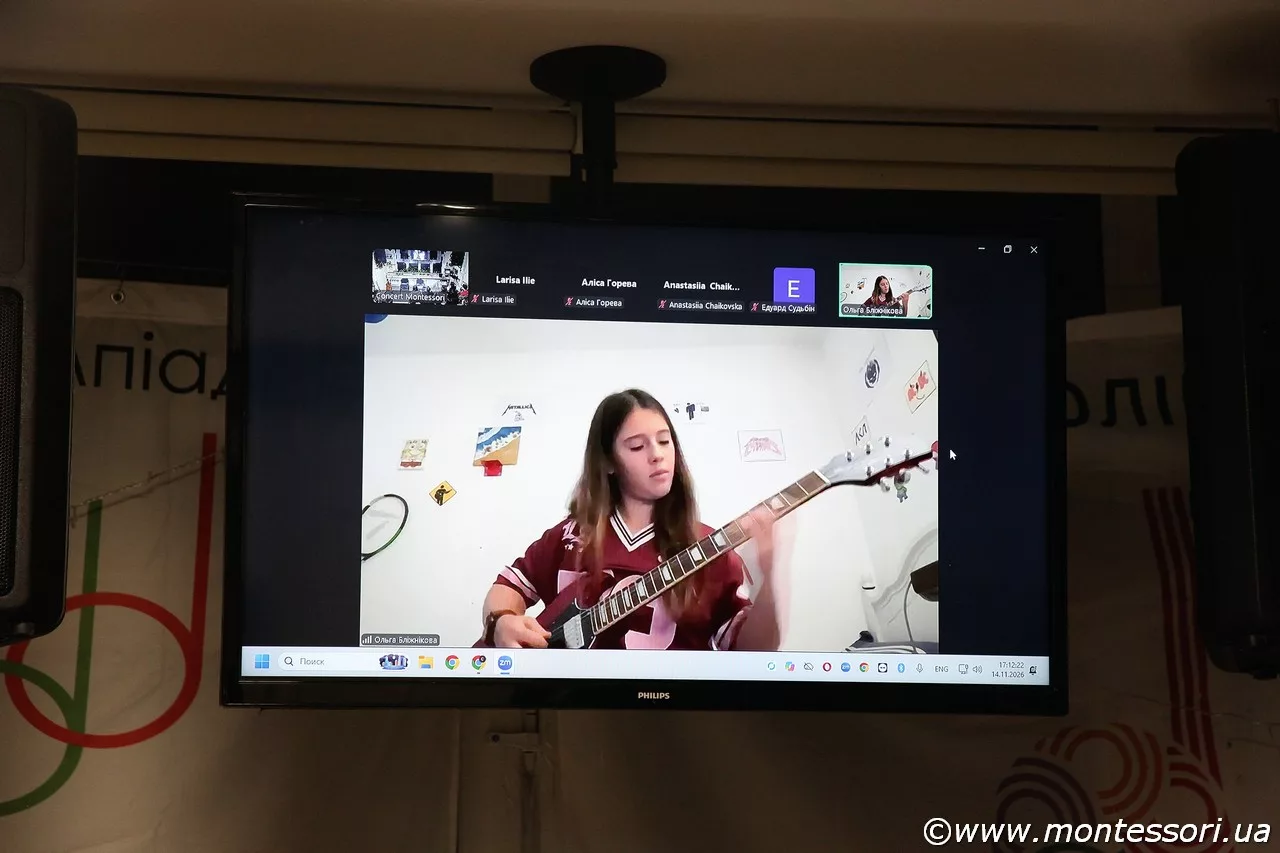



How Online Speech Therapy Sessions Work
Equipment: you will need a computer or tablet with a camera and microphone. A smartphone is less convenient: the smaller screen makes it harder to see the activities and copy the speech therapist’s movements.
Internet connection: before the session, check that the video and audio come through clearly and without noticeable delays. Pause any large file downloads during the session.
Joining the session: open the session link in advance and allow access to your camera and microphone. If you need help with setup, contact the administrator.
Sound: check that your child can hear the therapist clearly and that the microphone picks up their speech well. If there is an echo, use headphones with a microphone.
Study space: choose a quiet area with good lighting. Set the device on a stable surface so the speech therapist can clearly see your child’s face and lip movements. Keep only what is needed for the session on the desk.
Session link: we will send it to you in advance by email or via a messaging app. If you have not received the link or it does not open, message the administrator.
Materials for the session: have a notebook or notepad and a pen ready to write down the speech therapist’s recommendations and activities to practice at home.
Before the session:
If your child needs help with the equipment or activities, stay nearby during the session.
First session: the speech therapist gets to know your child, listens to them speak and offers activities to understand what they find difficult. Together with parents, the therapist discusses what the sessions will focus on.
Explaining the exercises: the therapist shows your child how to do the activity. Your child then tries it independently, with guidance from the therapist if needed.
Questions: you and your child can ask questions throughout the session. If needed, the therapist will explain again or demonstrate the exercise once more.
Games and activities: depending on the program, your child practices pronunciation, learns to hear the difference between speech sounds and completes word activities. The therapist uses games, pictures and other materials suited to your child’s age.
Speech and communication: your child answers questions, describes pictures and tells short stories. These activities help them use the sounds and words they have practiced in conversation. Reading and writing activities are added where needed.
End of the session: the therapist tells parents what their child is doing well and what to practice at home. They explain the home practice activities and show how to do them.
Home practice: practice the exercises with your child the way the speech therapist showed you. Help them remember what to do, recognize their progress and offer support when something is still difficult.
Feedback: let the speech therapist know what is going well at home and where your child needs help. If an exercise is unclear, ask how to do it.
Future sessions: the therapist checks what your child has learned, revisits difficult exercises and gradually introduces new activities. They also talk with parents about what the next sessions will focus on.
Your child works with a speech therapist from home, and you help reinforce their new skills!
Our Speech Therapists

Alona Koziatynska
Speech Therapy Classes, Pre-K and Kindergarten
Online Speech Therapy Program
 Beginner
level
Age: Pronunciation and Speech Development

Modules
Speech assessment: the speech therapist listens to how your child pronounces sounds, words and phrases. They explain to parents what their child finds difficult and where to start.
Articulation practice: the therapist shows your child how to position their tongue and lips to produce the target sounds. Your child practices the exercises with guidance from the therapist.
Learning and practicing sounds: sessions focus on sounds your child leaves out, replaces with other sounds or pronounces incorrectly. Practice gradually moves from individual sounds to syllables, words, phrases and everyday conversation.
Distinguishing speech sounds: through games and activities, your child learns to hear the difference between similar sounds and identify their position in a word — at the beginning, in the middle or at the end.
Speech rate and intonation: your child practices short phrases and dialogues, learning to speak without rushing, pause where needed and emphasize key words.
 Intermediate
level
Age: Comprehensive Speech and Language Therapy

Modules
Complex words and sound combinations: your child practices pronouncing long words and words with several consonants in a row. Together with the speech therapist, they work on words in which they leave out or replace sounds and syllables, or say them in the wrong order.
Speech fluency: if your child stutters, the therapist selects techniques that help them speak with less tension and take part in conversations more easily. The therapist also explains how parents can support their child in everyday conversations.
Vocabulary and grammar: your child learns to choose words more precisely and form sentences. Games and activities focus on word endings, prepositions and how words fit together.
Breathing and pauses in speech: where needed, the therapist introduces exercises in which your child learns to speak as they breathe out and pause where appropriate.
Connected speech and communication: your child creates stories based on pictures, retells short stories and talks about their experiences. In dialogues, they learn to ask questions, respond and keep the conversation going.
 Advanced
level
Age: Speaking, Reading and Writing

Modules
Speech clarity: the speech therapist helps your child practice sounds and words they find difficult to pronounce. Practice gradually moves from individual words to phrases and conversation to make their speech easier to understand.
Breathing and voice: your child learns to manage their breath while speaking and adjust the volume of their voice without unnecessary strain. If your child has a voice disorder, sessions are planned in line with their doctor’s recommendations.
Intonation and expression: through short dialogues and stories, your child learns to use their voice to ask questions, make requests and express surprise. They practice emphasizing key words and varying their intonation to match the meaning of the phrase.
Expressing ideas in detail: your child learns to describe objects in detail, recount events in a clear sequence and explain why they happened. The therapist helps them link sentences together and keep their story focused on the main idea.
Reading and writing: beginners learn how letters relate to sounds and try reading syllables and simple words. For children who already read and write, the therapist addresses difficulties with reading, understanding texts and writing words and sentences.
The speech therapist tailors the program to your child’s age and speech difficulties. During sessions, your child learns to pronounce sounds clearly, form sentences and express their thoughts. Where needed, the program also includes work on breathing for speech, reading and writing.
Book a trial lesson to meet the speech therapist and discuss what support your child needs.
Course Schedule
We teach every day, including weekends
To coordinate the day of the week and the time for your lesson, please write to us, and the administrator will arrange a convenient schedule for you!Contact Us


Student Reviews of the Course
Anton

Diana
Сергей
Review language: Russian
Татьяна
Review language: Russian
Яна
Review language: Russian
Лиза Заболотная
Review language: Russian
Наталья Т.

Review language: Russian
Світлана
Review language: Ukrainian
Катя
Review language: Ukrainian
Наташа
Review language: Ukrainian
Frequently Asked Questions (FAQ)
Helpful Articles

Stuttering in Children: What Parents Should Know
When a child starts to stumble over words, parents worry: will it pass on its own, or does the child...

Sh and Zh Sounds: How to Help a Child Say Them
Sounds like sh, zh (the sound in “measure”) and ch are sibilants, and many children say them unclearly for a...

How to Teach the R Sound: Steps in Speech Therapy
R is one of the last sounds children master, and many take a long time to say it. Below is...

How a Speech Therapist Helps Children with Speech Delays
When a child talks less than other children the same age, parents worry: is it just how this child develops,...

Speech Therapy Games: Fun Learning for Children
In a game, a child is happier to repeat sounds and words, and mistakes are no big deal. Below are...

Basic Speech Therapy Exercises for Children
There is no single set of speech exercises that suits every child: it all depends on why a child finds...

How to Choose a Speech Therapist for Your Child: Tips for Parents
When parents are worried about their child’s speech, a speech therapist is usually the first port of call. Here is...

How to Prepare for the First Session with a Speech Therapist
The first session with a speech therapist is a chance to get acquainted: the specialist listens to the child’s speech...

The Benefits of Speech Therapy Sessions for Speech Development
A speech therapist works on how a child pronounces sounds, understands and uses language, and helps when reading and writing...