Breathing in Yoga: Pranayama for Beginners
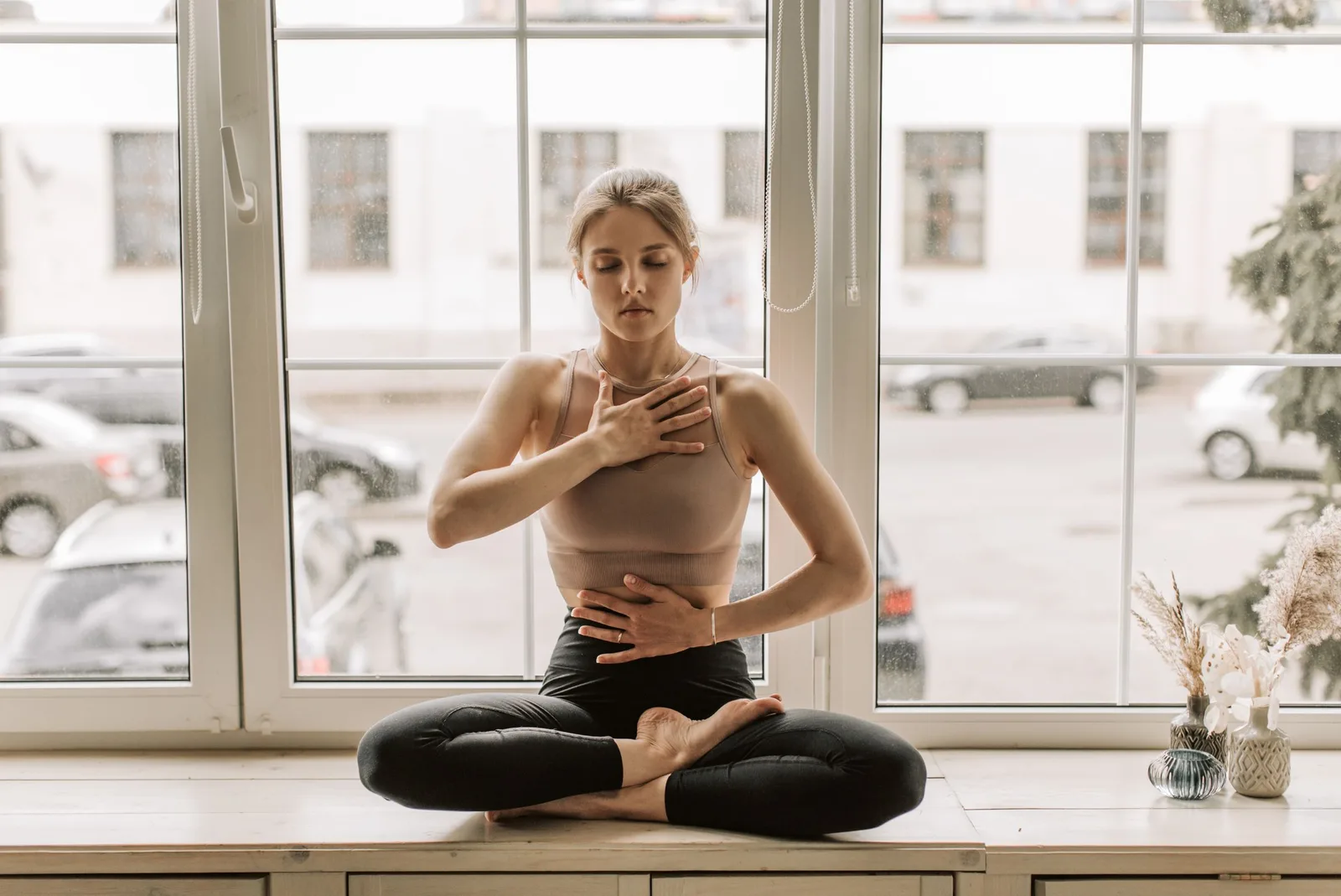
Breathing exercises in yoga are called pranayama. Below is what it is, where it comes from, which techniques beginners can start with and what safety rules to follow. This is not treatment: if you have heart, lung or blood pressure problems or are pregnant, ask a doctor before trying breathing practices.
What Pranayama Is
Pranayama is a Sanskrit word: prana means breath, and ayama means control or restraint. Patanjali’s Yoga Sutras list eight stages of yoga, and pranayama comes fourth, after the ethical rules and the poses. The classic pattern has three phases: inhale, hold and exhale. The eight limbs are covered in more detail in The Yoga Sutras: Patanjali and the Eight Limbs of Yoga.
Pranayama in Modern Yoga
In hatha yoga texts, pranayama grew into a whole set of breathing techniques, among them breath holds (kumbhaka). Modern yoga more often links breathing with movement; in Ashtanga vinyasa yoga, for instance, the poses flow with an even “victorious” breath called ujjayi. The yoga teacher B. K. S. Iyengar advised practicing pranayama as part of a full practice, together with the poses and ethical rules, rather than on its own.
Where Beginners Can Start
Iyengar warned that pranayama should be taken up only once a yoga practice is firmly in place, and then only with an experienced teacher. So even the simple techniques below are best learned with a teacher.
- Slow, even breathing. Sit comfortably, put a hand on your belly and breathe slowly without holding your breath. This is the basis for every other technique.
- Alternate nostril breathing (nadi shodhana). The right thumb closes the right nostril and the ring and little fingers close the left, so each breath in and out passes through a single nostril, switching sides.
- Ujjayi, the “victorious” breath that accompanies the poses in Ashtanga yoga, is best learned with a teacher.
Kapalabhati (“skull-shining”) is a cleansing practice and breathing exercise of hatha yoga. Like long breath holds, it is best left for later and learned only with a teacher.
Safety Rules
- Never force a breath hold. Holds are added gradually, once even breathing feels easy.
- If you feel dizzy or uncomfortable, return to normal breathing and rest.
- Practice in a ventilated room, not right after a meal.
- Do not expect miracles. A 2018 review of studies found interesting but limited evidence linking slow breathing with how healthy people feel.
How breathing supports meditation is covered in Yoga and Meditation: How to Find Inner Peace.
Our Yoga Course
During a lesson, the teacher sees the student on screen and gives tips if something is being done incorrectly.
In our yoga course, students learn the basic asanas, breathing exercises and meditation, build strength and flexibility, and practice focusing on movement and breath. Lessons are open to students from age 8. A trial lesson costs $8: it is individual and lasts 45 minutes. More about the course is on the Yoga page.


