Yoga and Meditation: How to Find Inner Peace
· Updated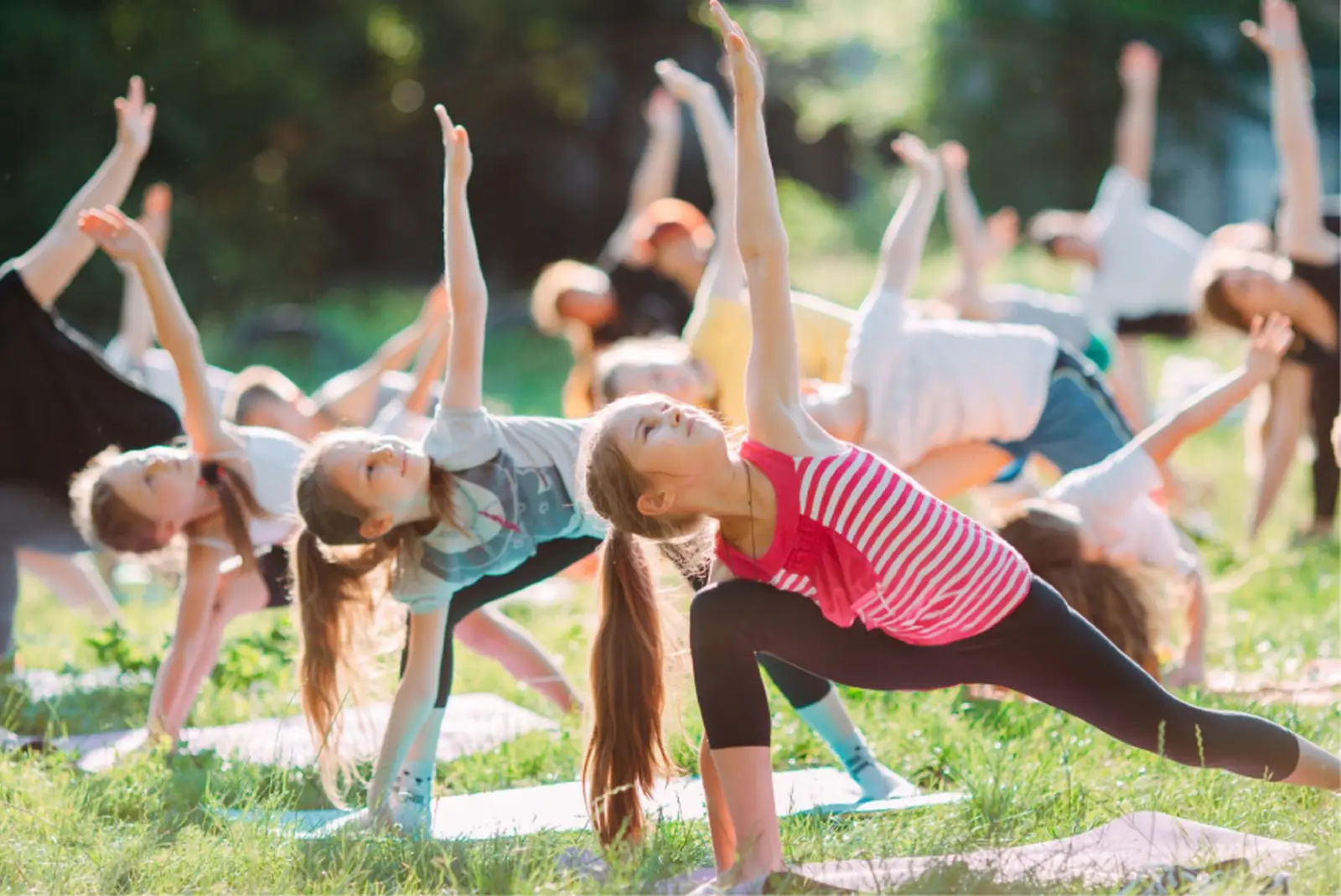
Meditation is a way of training attention: you learn to keep it on one thing instead of drifting into endless thoughts. In yoga, meditation sits alongside the poses and breathing. Here are exercises that suit children and teens, how to adapt them by age and what to honestly expect.
Kinds of Meditation
Techniques are usually split into two groups. In focused meditation, attention rests on a single object, such as the breath, a word or a feeling. In open monitoring, you simply notice whatever is happening in the moment; mindfulness belongs here. There is also meditation with movement, and yoga is a good example of it.
Exercises to Start With
- Watching the breath. Sit on a straight-backed chair or cross-legged on a cushion, close your eyes and follow your breathing: the air touching your nostrils, or your belly rising and falling. Do not change the breath; just notice it.
- Body scan. Attention moves slowly through the body, from the toes to the top of the head, noting the sensations in each part. The technique is part of the stress reduction program Jon Kabat-Zinn created in 1979.
- Kind wishes. The child silently wishes well to themselves, to family and then to other people. This is focused meditation on a feeling.
- Meditation in a pose. The student holds a simple pose and pays attention to how movement and breath work together.
Adapting by Age
In lessons, the teacher chooses which exercises suit a student, and for how long, based on age. At home, it is best to start with short practices and lengthen them gradually. One rule holds at any age: no judging. If thoughts wander, just bring them calmly back to the breath.
What to Expect, Honestly
Meta-analyses show benefits of mindfulness for children and teens. However, a 2026 review found that programs in schools and communities bring small, mostly short-lived improvements that also depend on age. Meditation is a useful skill, not a treatment and not a substitute for help from a specialist.
How It Works in a Lesson
The teacher chooses exercises based on the student’s level, goals and age, demonstrates the asanas and helps link movement with breathing. New exercises come in gradually, with a simpler version whenever needed, and the teacher suggests what to practice at home. The roots of meditation in yoga are covered in The Yoga Sutras: Patanjali and the Eight Limbs of Yoga.
How to Get Started
In our yoga course, students learn the basic asanas, breathing exercises and meditation, build strength and flexibility, and practice focusing on movement and breath. Lessons are open to students from age 8. A trial lesson costs $8: it is individual and lasts 45 minutes. More about the course is on the Yoga page.


