


Online
German
Classes
Learn German in one-on-one online lessons — for conversation, study and work.


Trial Lesson
To book a trial lesson, sign up and pay $8.00.
The trial lesson is one-on-one and lasts 45 minutes.

Lesson Package
If you enjoyed the trial lesson, you need to purchase a lesson package by prepaying for at least 4 lessons.
The price of a 4-lesson package is $60.00 (one lesson costs $15.00).
Payment must be made at least 24 hours before the lesson starts.

Discounts
When you purchase 8 lessons or more, a discount applies. The more lessons, the more you save!
Course overview
Our online German course is suitable for children and adults. You can start from scratch, return to learning after a break, improve your speaking skills or get help with your school curriculum.
The program includes preparatory, beginner, intermediate and advanced levels. Your teacher will help you decide where to start, based on your knowledge and goals.
One-on-one lessons last 45 minutes and take place in real time via Google Meet or Zoom. We agree on the schedule in advance. If needed, the teacher can explain the material in Russian, Ukrainian or English — we discuss this before lessons begin.
Our teachers hold university degrees and have experience working with children and adults.
We recommend two lessons a week, with homework between lessons. Students receive a school diploma after completing each level: beginner, intermediate and advanced.
Teaching approach
Our approach to teaching German is based on an individual learning program. The teacher finds out what the student already knows, what they find difficult and what they need the language for. They then select topics, texts and exercises.
You use the words and rules you have learned in spoken and written tasks: answering questions, discussing what you have read and writing messages. The teacher checks what you can do independently, helps you correct mistakes and suggests what to review before moving on to a new topic.
Benefits of our approach
A clear plan: before lessons begin, you discuss with your teacher what you need to learn and which topics to start with.
Learning at your own pace: you can cover familiar material faster and work through difficult rules in more detail, with additional exercises to practice applying them.
Speaking practice: you speak German with your teacher and learn to ask questions, make requests and explain your thoughts.
Age and interests: children and adults are offered different texts and topics for discussion and writing.
Review and practice: we use new tasks to revisit earlier topics, helping you remember words and apply rules without prompts.
Preparatory level
Students become familiar with spoken German, listening to and repeating simple words and phrases. They learn to greet people, introduce themselves, name objects around them and understand short questions.
Pictures, games and songs help children remember what they learn. Activities to recognize letters and read familiar words are gradually introduced. The difficulty of the exercises depends on the child’s readiness.
Beginner level
Students learn to talk about themselves, their family and everyday activities, ask questions and hold short conversations. They study the basic rules of German, learn about word order in sentences and work on pronunciation.
They read short texts, listen to simple dialogues and answer questions about the content. Written tasks include messages, short descriptions and simple letters.
Intermediate level
Students talk in more detail about events, plans and experiences, explain their views and clarify information in conversation. They learn to link sentences into a coherent story and choose words more precisely.
They read adapted stories and articles, listen to recordings in German and discuss what they hear. They write short compositions and retellings, learning to divide texts into paragraphs and check their grammar and spelling.
Advanced level
Students work with texts in different styles, study fixed expressions and more complex grammar points. They discuss what they have read, support their views with arguments and learn to give detailed answers to questions.
Depending on their goals, students can focus more on business correspondence, academic texts, compositions or exam preparation. With the teacher’s help, they edit their own work: correcting mistakes, removing repetition and choosing wording suited to the situation.
Course goals
Grammar: learn the basic rules of German and how to apply them in speaking and writing.
Vocabulary: learn new words and expressions, understand their meaning and use them appropriately in conversation and writing.
Speaking: introduce yourself, ask questions, talk about yourself and keep a conversation going in German.
Reading and listening comprehension: understand the content of a text or conversation, find the information you need and notice important details.
Writing: write messages, letters and short compositions, organize your ideas logically, check your work and correct mistakes.
Test and exam preparation: review the necessary topics, work through typical tasks and become familiar with the exam requirements.
Benefits of online German lessons
Help with the school curriculum: your child can work through a difficult topic or textbook assignment with the teacher. They learn to explain their answers and complete similar exercises independently.
Everyday communication: in lessons, you can practice introducing yourself, clarifying information, booking appointments or making requests. These skills are useful when traveling, relocating, studying or working.
German for study and work: adults can spend more time on what they need German for — correspondence, discussions at work or reading study materials.
Exploring culture: stories, songs, films and videos help you learn more about life and traditions in German-speaking countries. The teacher selects materials to suit the student’s level and interests.
Lessons from home: you save time on travel. We can agree on a schedule that takes school, work and your time zone into account.
During your trial lesson, we’ll discuss your goals and choose a program to suit you or your child.
News



How German Lessons Are Conducted
Device for lessons: use a computer or tablet with a camera and microphone — a larger screen makes it easier to read texts in German and complete exercises. You can also join from a smartphone if needed.
Internet connection: before the lesson, check the connection in the room where you’ll be studying. A stable connection will help you communicate without interruptions and access learning materials.
Lesson platform: lessons take place on Zoom or Google Meet. Open the meeting link before the lesson begins, install the app if needed and allow access to your camera and microphone.
Audio: choose a quiet place and have headphones with a microphone ready. It’s important that you can clearly hear your teacher and recordings in German, and that the teacher can hear your pronunciation. Check the sound together at the start of the lesson.
Study space: have a notebook and pen ready. Place the screen in front of you and adjust the lighting so you can read and write comfortably and your teacher can see your face clearly.
Lesson link: we’ll send it in advance by email or via a messaging app. If you haven’t received the message or the link won’t open, contact the administrator.
Materials: prepare everything you’ll need for the lesson:
Before the lesson:
Explaining the topic: your teacher uses examples to explain new German words and rules. You try forming your own sentences, and your teacher checks your answers and helps you correct mistakes.
Questions: if anything is unclear, ask your teacher to explain it again. You can revisit a difficult point and practice with other examples.
Speaking practice: you speak German with your teacher, answering questions and learning to form sentences correctly. Your teacher helps you find the right words and corrects your pronunciation.
Reading, writing and listening comprehension: you read texts, listen to recordings and complete tasks related to the lesson topic. If you need help with the school curriculum, you work through exercises from your own textbook.
Culture of German-speaking countries: you learn about traditions, holidays and everyday life. You discuss texts, videos and songs selected by your teacher to suit your level and interests.
Lesson review: together with your teacher, you discuss what you’re doing well and what you should review. Your teacher explains the homework and gives you tips on how to complete it independently.
Materials for independent study: your teacher will send you assignments and texts in German to review the lesson topic. If needed, they’ll select audio or video recordings and explain how to work with them at home.
Questions about assignments: make a note of any words you don’t understand and exercises you find difficult. You can go through them with your teacher in the next lesson.
For parents: help your child choose a time for homework and get the materials ready. Ask what they learned in the lesson and acknowledge specific successes: they remembered a new word, understood a question in German or formed a sentence on their own.
Join us for online German lessons! During your trial lesson, we’ll discuss your goals and choose a program to suit you or your child.
German Language Teachers

Olena Voronina
German, English
German Language Course Program
 Preparatory
level
Age: 5–6 years

Modules
Introduction to spoken German. We listen to and repeat simple words and phrases, learning to distinguish and pronounce unfamiliar sounds.
First words: we learn to say hello, count and name colors, family members, animals and everyday objects. Pictures, songs and games help us remember new words.
Speaking practice: we learn to introduce ourselves, understand simple questions and answer in short phrases. We use familiar words when talking to the teacher.
Introduction to the German alphabet. When the child is ready, we move on to reading familiar words and short phrases and try writing letters and simple words.
 Beginner
level
Age: 7 years and older

Modules
New words and expressions on the topics “My family”, “My room”, “Food”, “School”, “Toys” and “Weather”. We learn to use them when speaking.
Grammar basics: an introduction to nouns, adjectives, pronouns and verbs in the present tense. We learn to form simple sentences in German.
Reading short stories, poems and fairy tales in German. We answer questions about the text and discuss the characters and events.
Writing: we compose sentences and short texts on familiar topics. We learn to write messages, greetings for cards and short descriptions.
Speaking practice: we discuss familiar topics with the teacher in German. We learn to ask and answer questions and make requests.
Stories from pictures: we describe what is shown and create short stories. We learn to recount events in a logical order and express our thoughts.
 Intermediate
level
Age: 10 years and older

Modules
German grammar: present, past and future tenses, noun gender and number, adjective declension and the use of prepositions. We practice applying the rules in speaking and writing exercises.
Reading adapted short stories, articles and informative texts in German. We discuss the content, identify the main idea and retell what we’ve read in our own words.
Writing: we write short essays, letters and retellings in German. We learn to present our ideas in a logical order, divide texts into paragraphs and check our work.
Understanding spoken German: we listen to dialogues, fairy tales and songs. We answer questions about the content and learn to identify important details.
 Advanced
level
Age: 12 years and older

Modules
Speaking: we discuss different topics with the teacher in German. We learn to give reasons for our opinions, answer questions and prepare short presentations.
Grammar: we learn to form complex sentences and express reasons, purposes and conditions. We study the passive voice and modal verb constructions, using them in conversation and written assignments.
Reading stories, poems, articles and extracts from works by German-speaking authors. We discuss the content, characters and use of language. We learn about the traditions, holidays and history of German-speaking countries.
Written work: we write essays, short articles and reviews of what we’ve read. We learn to structure texts, present arguments and edit our work. If needed, we prepare for German tests and exams.
In our German course, children learn to understand others, talk about familiar topics, read and write. The teacher selects materials to suit each child’s age and level, gradually making the tasks more challenging. We help schoolchildren understand topics in their school curriculum and prepare for class tests and quizzes.
Book a trial lesson in German!
Course Schedule
We teach every day, including weekends
To coordinate the day of the week and the time for your lesson, please write to us, and the administrator will arrange a convenient schedule for you!Contact Us


Student Reviews of the Course
Nikolai

Masha
Semyon

Татьяна
Review language: Russian
Елена
Review language: Russian
Игорь
Review language: Russian
Анастасия
Review language: Russian
Галина
Review language: Russian
Тетяна
Review language: Ukrainian
Тоня
Review language: Ukrainian
Frequently Asked Questions (FAQ)
Helpful Articles
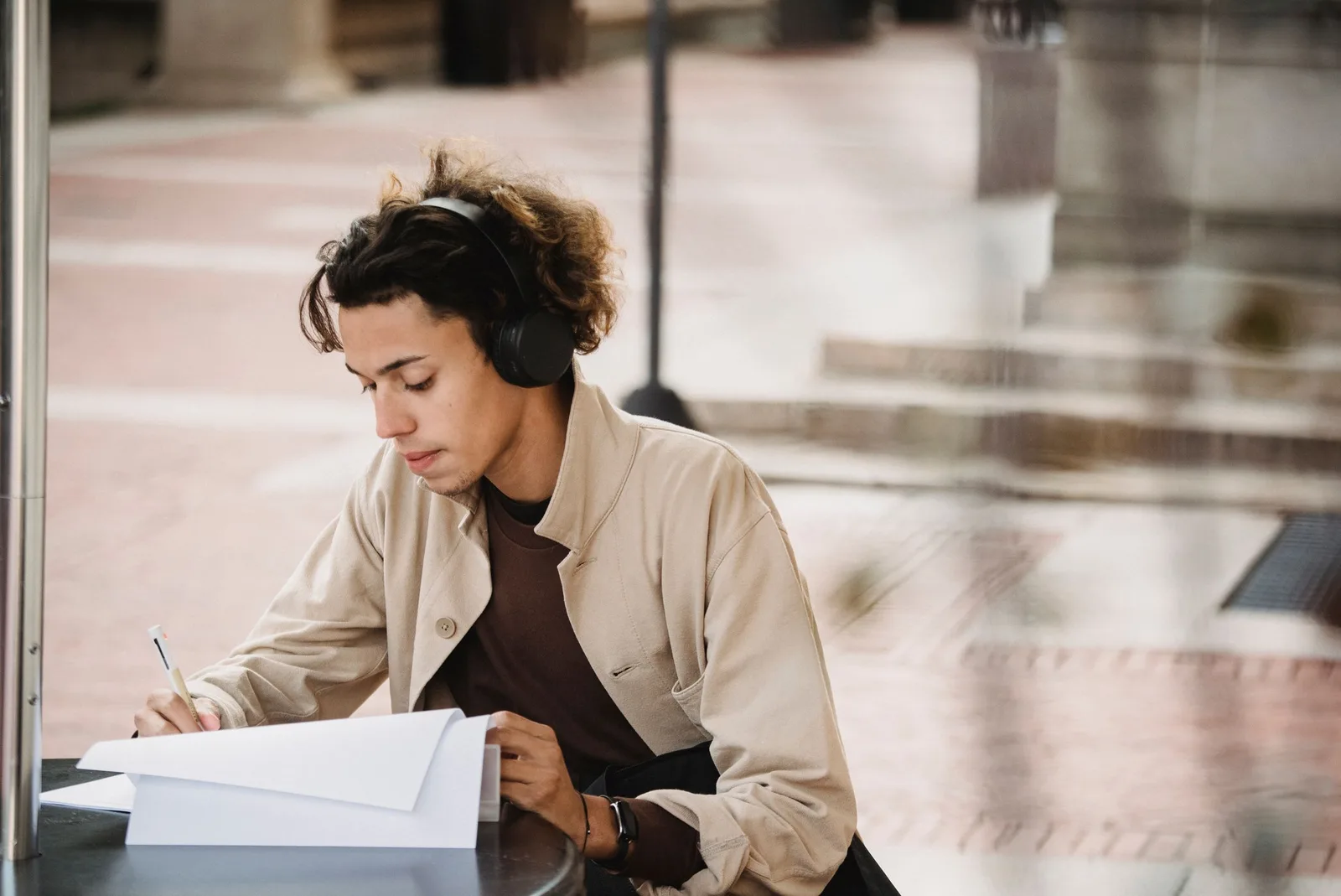
Goethe-Zertifikat Exams: Levels from A1 to C2
A Goethe-Institut certificate is one of the best-known ways to prove your German. Below is who runs the exams, how...

German Articles: Der, Die, Das and How to Remember Them
Articles are one of the first hurdles in German: every noun has a gender, and the gender decides the article....

How to Improve Pronunciation in German
To be easy to understand in German, you need to master a few unfamiliar sounds and learn how letter combinations...

Modern Methods for Learning German: What You Need to Know
Today, German is taught with much more than a textbook: there is a common European scale of levels, the communicative...

German Language and Its Dialects: What You Need to Know
German is spoken in Germany, Austria, Switzerland and Liechtenstein, and it sounds different in each. Here is how dialects differ...

How to Use German in Everyday Life
To keep German from staying in the classroom, it helps to build it into your ordinary day. Here are concrete...

The History of German: From Ancient Dialects to Today
The German heard today at school and on television did not appear overnight: behind it lie more than a thousand...

How to Learn German Through Music and Songs
Songs help you remember words, hear the rhythm of a language and practice pronunciation. Below is a selection of German...

Famous Writers and Poets of the German-Speaking World
German is the language of Goethe and Kafka and of Nobel laureates Mann, Hesse and Grass. Here are seven authors...


