Japanese Honorifics: San, Kun, Chan and Sama
· Updated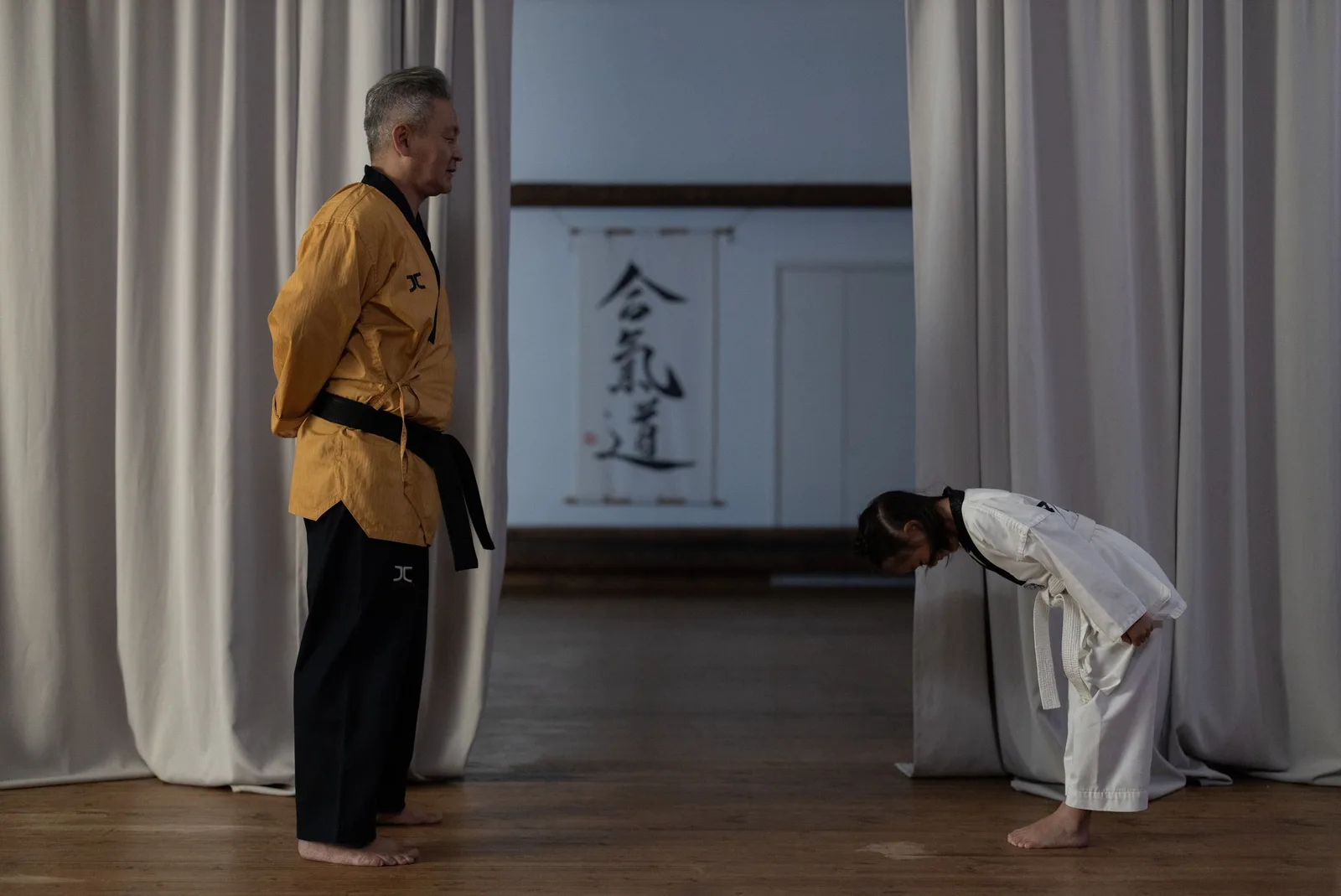
In Japanese, a short suffix usually follows the other person’s name, and it signals who they are to you: a peer, someone younger, a close friend or a respected guest. Below are the main suffixes, when you can skip them and why people do not normally use them about themselves.
San
The most frequent suffix, san shows respect between equals of any age. It is close to Mr. or Ms., but it sounds less formal, fits both men and women and works in formal and everyday speech alike. San is also attached to the names of trades: hon’ya-san is a bookseller (from “bookstore”), and nikuya-san is a butcher.
Kun
Seniors use kun with juniors, and it is also used for boys, young men and male friends. At school or at work, a senior may call a junior colleague this way. Kun usually goes with boys, but that is not a strict rule.
Chan
Chan expresses affection: it is used for small children, close friends, grandparents, sometimes teenage girls and even cute animals, as in neko-chan, “kitty.” It is never added to the names of strangers or people you have just met.
Sama
A more respectful form for people of higher standing, such as guests and customers, and also for deities (kami-sama). Sama follows the name on formal letters. Using it about yourself, as in ore-sama, “my esteemed self,” signals extreme arrogance or self-mockery.
Sensei and Senpai
- Sensei (“born earlier”) is for teachers, doctors and masters of a craft, such as writers, musicians, artists and martial arts masters.
- Senpai is a senior schoolmate, club member, teammate or coworker. A junior is called kōhai, but nobody is addressed that way. A teacher is not a senpai but a sensei.
When No Suffix Is Needed
- About yourself: people do not add suffixes to their own names, except as a joke, out of arrogance (ore-sama) or to sound cute (chan).
- Between close people: a bare name shows great closeness and is used with a spouse, younger relatives and close friends. Teammates and classmates of the same age can do this too.
- About your own group when talking to outsiders: members of your family or your company are mentioned without suffixes.
Many learners first meet these suffixes in anime, the subject of Anime and Japanese: Why Millions Study the Language.
Forms of Address in Lessons
Our teachers introduce students to Japanese traditions and everyday life and explain the customs of communication, including how to address different people. Where to begin Japanese from scratch is covered in Basics of the Japanese Language: First Steps for Beginners.
Our Japanese Course
Our teachers work with both children and adults, whether a student is starting from zero, wants to speak more fluently or is getting ready for an exam; each program is built around the student’s level and goals, and lessons also introduce Japan’s traditions and daily life. Lessons are open to students from age 5. A trial lesson costs $8: it is individual and lasts 45 minutes. More about the course is on the Japanese page.


