Acrylic Paint for Beginners: What You Need to Know
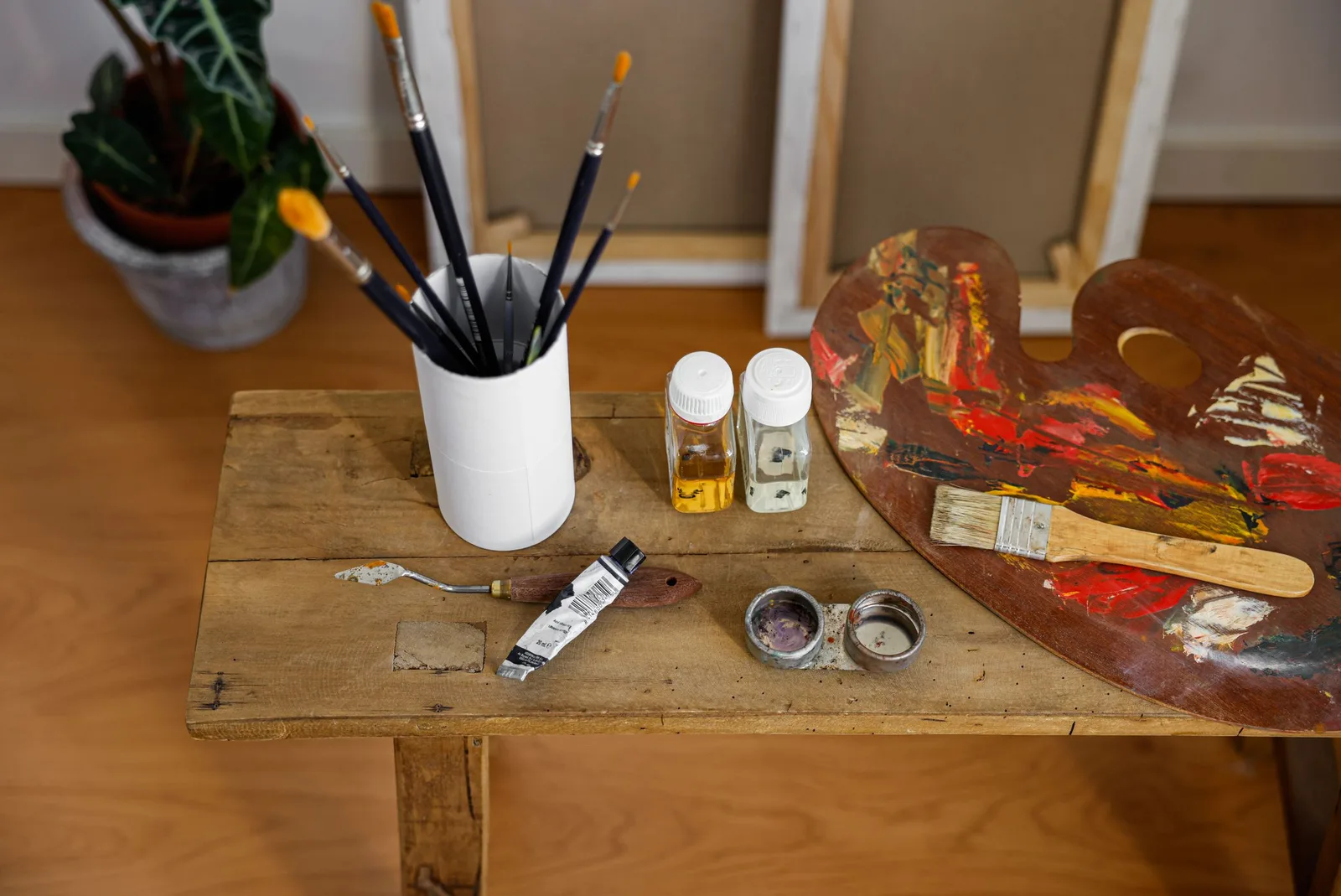
Acrylic dries quickly, thins with water and works on many different surfaces, which makes it a convenient first paint. Below is what acrylic paint is, how to paint with it, what to paint on and with, how to care for brushes and how to protect a finished piece.
What Acrylic Is
Acrylic paint is pigment held in an acrylic polymer emulsion. While wet, it thins with water; once dry, it becomes water-resistant. Acrylic resin is the invention of Otto Röhm, a German chemist; the first workable dispersion appeared in 1934, and artists began using acrylics in the 1940s, finding in them qualities of both oil and watercolor.
Acrylic Can Look Different
Depending on how much water or how many mediums, gels and pastes you add, a painting done in acrylic can look like watercolor, gouache or oil. Thin layers give transparent glazes, while gel and modeling paste build up relief. Acrylic offers a wider choice of mediums than oil or watercolor.
What to Paint On
Acrylic sticks to paper, canvas and many other surfaces. Porous boards, such as fiberboard, should be primed first. For first paintings, heavy acrylic paper and canvas boards are convenient.
Tips for Beginners
- Acrylic dries fast, so squeeze out only a little paint at a time and keep water nearby.
- A dry layer will not dissolve again; unlike watercolor, you cannot lift color with water, but you can paint over it freely.
- Work in layers, starting with large areas of color and finishing with details.
- Wet paint washes off brushes and skin easily with water, but dried paint is much harder to remove, so clean your brushes right away.
How to Protect Your Work
A finished painting is given a coat of varnish to shield it from dust, UV light and scratches, much as an oil painting is.
For a comparison with watercolor, see How to Improve Your Watercolor Skills Online, and for choosing art materials, see How to Choose Materials for Academic Drawing.
Our Painting Course
In our painting course, students learn to work confidently with brushes, paints and other materials, study the basics of color theory, try different styles and find their own, and finished work can be shown at exhibitions and competitions. Lessons are open to students from age 5. A trial lesson costs $8: it is individual and lasts 45 minutes. More about the course is on the Painting page.


