Online
Sewing
Classes
On our online sewing and pattern cutting course, you’ll learn to work with patterns and fabric, then sew items you’ve designed yourself.






Trial Lesson
If you want to book a trial sewing lesson, you need to schedule and pay $8.00.
The trial lesson is conducted individually and lasts for 45 minutes.

Subscription
If you enjoyed the trial lesson, you can purchase a subscription by making a prepayment for at least 4 lessons.
The price of a 4-lesson subscription is $60.00 (the cost of one lesson is $15.00).
Payment must be made at least 24 hours before the lesson's start time.

Discounts
When you purchase 8 lessons or more, a discount applies. The more lessons, the more you save!
Course Overview
The online sewing and dressmaking course is for children aged 7 and up, as well as adults. Students explore different fabrics, learn to make patterns, and sew clothing and accessories. The program has three levels: beginner, intermediate and advanced.
One-to-one lessons last 45 minutes. Lessons can be taught in Russian, Ukrainian or English. We agree on the schedule and language of instruction before the course begins.
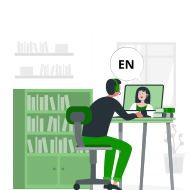
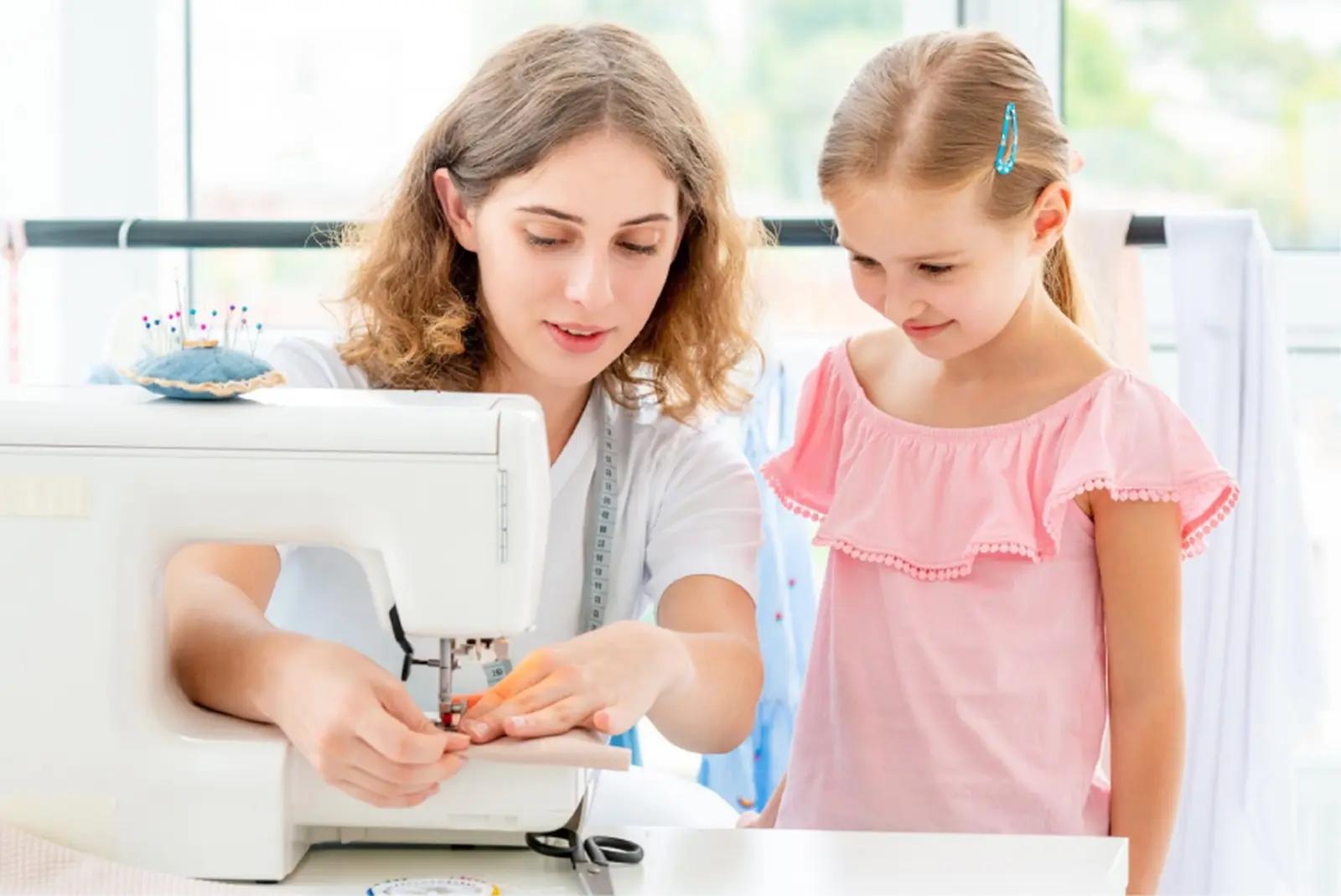
Lessons take place on Google Meet or Zoom. The teacher demonstrates techniques over video, watches the student work and suggests what to adjust. Our teachers have relevant university degrees and teaching experience. Many also work professionally in fashion design.
You can choose how often to have lessons based on your schedule. We recommend two lessons a week: this gives students time to work independently at home and then discuss any questions with the teacher.
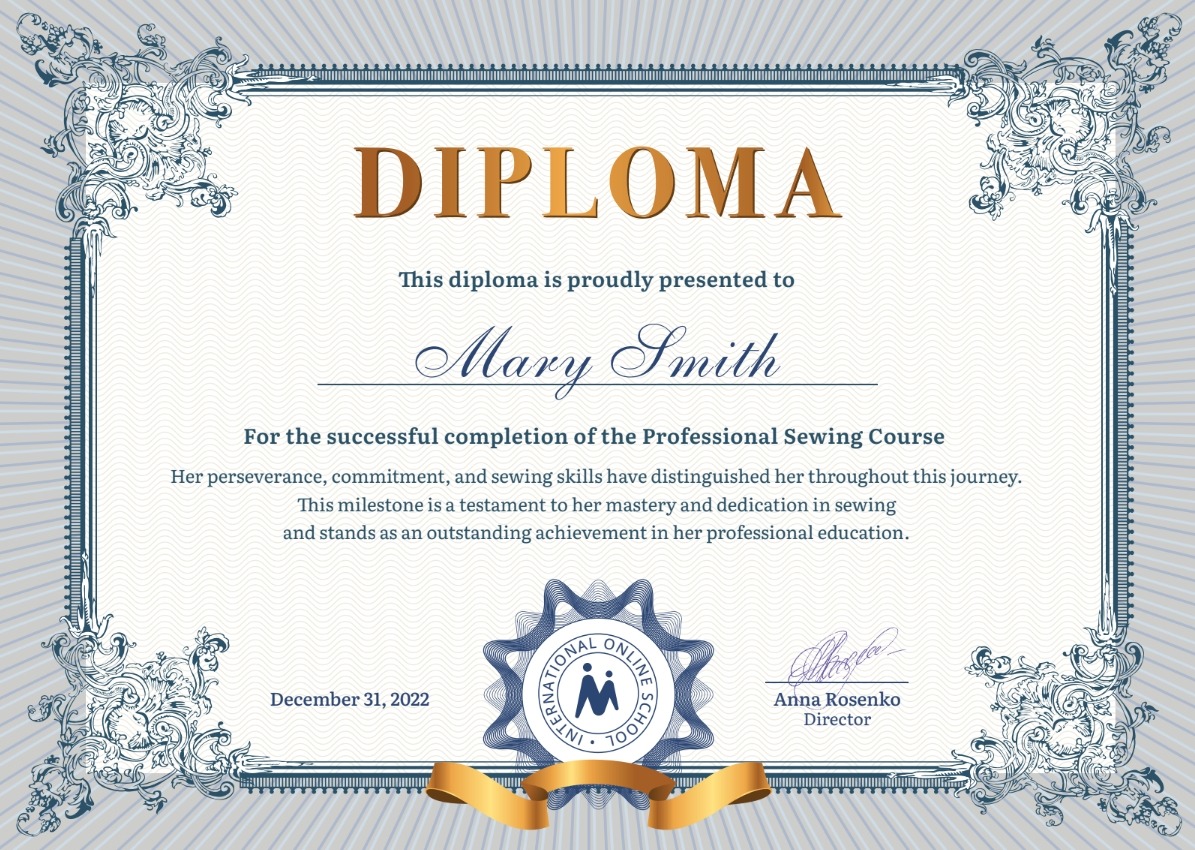
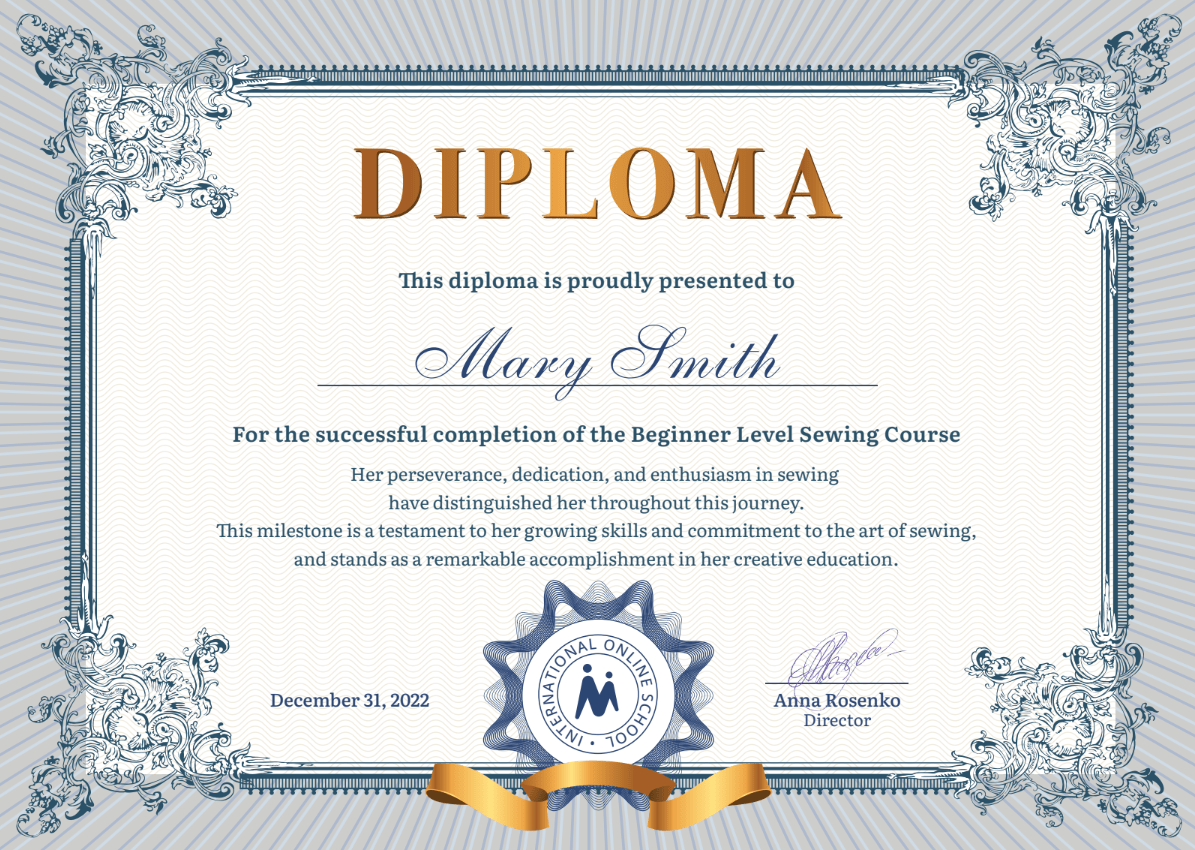
Students can exhibit their work, enter competitions and take part in workshops if they wish. They may receive awards in competitions. Students receive certificates after completing each module and level.
Teaching Method
Montessori Center’s approach to teaching sewing and dressmaking follows a program developed by the school for children and adults. At the start of the course, the teacher finds out what the student can already do and what they would like to sew. Together, they choose a manageable project and plan the stages of work. Students learn new techniques as they need them for their project: from preparing a pattern and cutting fabric to joining the pieces and finishing the item. If they wish, they can prepare the finished piece for an exhibition or competition.
Benefits of Our Method
Clear goals: students know which item they are working on and which techniques they will learn.
Flexible learning: if a pattern, seam or another step proves difficult, students can spend more time on it before moving on.
Hands-on experience: students put new techniques to use in their own work right away. A finished item can be made in just a few lessons.
For children and adults: the teacher chooses tasks based on the student’s age, experience and the item they want to make.
Continuing to learn: after finishing one item, students can choose a more complex design, try another fabric or learn a new way to finish the details.
Beginner Level
At the beginner level, students explore fabrics and sewing tools and learn to mark and cut simple pieces. They start with hand stitching and, when they are ready, move on to using a sewing machine. The teacher shows them how to join pieces and finish edges. By the end of the level, students can sew a simple item using the techniques they have learned.
Intermediate Level
At the intermediate level, students move on to items with more pieces and stages of work. They learn to take measurements, make patterns, cut fabric accurately and join the pieces. Lessons cover different ways to finish seams and edges and add fastenings. Students also try changing parts of a design, such as the shape of a pocket, the length of an item or the way it is finished.
Advanced Level
At the advanced level, students work with more complex patterns and learn to adapt them to their own ideas. They pay closer attention to how a garment fits, the order in which it is assembled and the neat finishing of its details. Students can design several items in a consistent style and consider how they will work together.
By the end of the level, students can plan a complex project independently: choose a design and fabric, prepare a pattern, cut out the pieces and sew the item. The teacher helps them assess the result and decide which techniques to learn next.
Students also learn about fashion history and look at designers’ work. They pay attention to silhouettes, how garments are cut and the details of clothing, then decide which ideas they would like to try in their own projects.
Course Goals
Sewing techniques: learn to sew by hand and machine, join pieces and finish the edges of an item.
Building skills: gradually move on to more complex patterns and finishing techniques while working on accurate cutting and neat sewing.
Making garments and accessories: complete every stage of the process, from choosing a design and fabric to finishing the item.
Portfolio and exhibitions: photograph finished items, put together a portfolio and, if desired, prepare work for an exhibition or competition.
Working independently: learn to plan the order of sewing, spot mistakes and understand how to fix them.
Fashion theory and history: explore different silhouettes and clothing styles, look at designers’ work and find ideas for original designs.
Creative skills: choose fabrics, combine colors and plan details that help bring an idea to life.
Exploring a profession: the course can be a first step for those who want to study fashion design or dressmaking professionally in the future.
Students have different goals: some want to learn to use a sewing machine, while others want to sew an item from their own pattern or begin building a portfolio. The teacher helps them choose tasks that match their current level.
Benefits of Sewing and Dressmaking Lessons
Creative thinking: when choosing the fabric, shape and details of an item, students decide how to bring their idea to life. The same design can look different depending on the fabric and finish.
Fine motor skills and coordination: marking fabric, hand stitching and handling small pieces require precise hand movements. For children, this offers extra practice with those movements.
Confidence: a finished item lets students see the result of their work, from making the pattern to sewing the final seam.
Planning: before sewing, students need to prepare materials and decide the order in which to join the pieces. They learn to break a larger task into manageable steps.
Simple alterations and repairs: once students have learned basic stitches, they can sew on a button, hem clothing or repair a seam that has come apart.
Clothing made to their own design: students can choose a fabric they like, change details of a design and, over time, learn to adjust a pattern to their measurements.
A chance to switch focus: working with fabric can help students step away from everyday tasks for a while and concentrate on making something with their hands.
Exploring sewing: the course lets students try different stages of making an item and decide whether they want to continue with sewing, fashion design or making accessories.
The techniques learned on the course remain useful afterwards: students can alter ready-made clothes, repair a favorite item or sew something new from their own idea.
News


How Sewing Lessons Are Conducted
Equipment: For online sewing lessons, you will need a computer or laptop equipped with a webcam and microphone.
Internet Connection: A stable and fast internet connection is essential for accessing video lessons and online resources. It is recommended to check your internet speed before the lessons begin.
Video Conferencing Platform: Lessons are conducted through platforms such as Zoom or Google Meet. Please install and test the software in advance.
Sound: Using headphones with a microphone will enhance audio clarity and minimize background noise during the lesson.
Lighting and Workspace: Ensure good lighting in your work area for a comfortable sewing experience without glare.
Lesson Link: You will receive a link to the lesson well in advance via email or your preferred messaging service. Make sure you have it a day before the lesson starts.
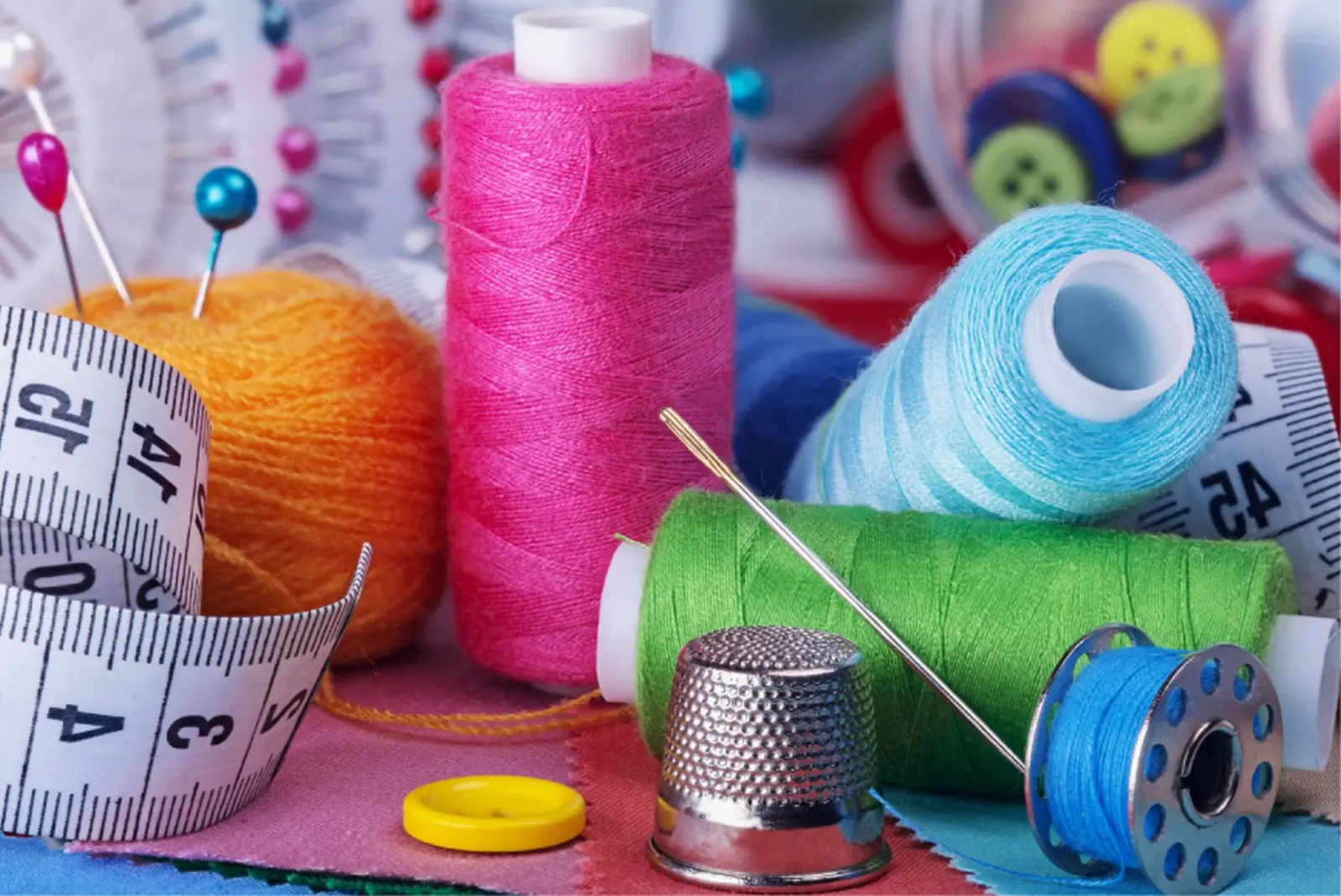
Lesson Materials: Prepare paper, a simple pencil, a ruler, thread, a needle, scissors, and fabric (any fabric you have at home is fine for the first lesson).
Workspace: Ensure that your desk is clear of clutter to create optimal conditions for creativity.
Device Placement: Position your computer or laptop so that the camera and microphone are directed towards you and your workspace, allowing the teacher to see your sewing process.
Tech Check: About 5-10 minutes before the lesson starts, log into the video conferencing app using the provided link and check the functionality of your camera, microphone, and internet connection.
Instructions and Feedback: Your sewing teacher will provide detailed guidance on using sewing machines and other sewing tools. You will receive constructive feedback to help improve your practical skills.
Ask Questions: If you encounter difficulties or have questions about sewing techniques or materials, do not hesitate to ask your teacher. They are ready to help you master all aspects of the craft.
Practice: Most of the lesson will be dedicated to practical sewing. The teacher will monitor your progress, offer tips, and suggest ways to enhance your work.
Teacher Demonstrations: The teacher will demonstrate sewing techniques using practical examples, share professional tips, and explain how to achieve the best results in sewing.
Lesson Conclusion: At the end of the lesson, you will discuss the skills learned with your teacher, receive assignments for home practice, and plan the next steps in your learning journey together.
Materials for Independent Study: The teacher will provide you with recommendations on using sewing tools, examples of successful projects, and additional resources for a deep dive into the art of sewing.
We are confident that online sewing lessons will make your learning experience comfortable and allow you to efficiently master the necessary skills. Your journey will be inspiring and productive!
Sewing Teachers

Maria Chugaieva
Sewing
Sewing Course Program
 Beginner
level
Beginner
level
Age: from 7 years old
Modules
Introduction to cutting and sewing: tools, materials, and how to use needles and scissors safely.
First hand stitches: practising on fabric scraps and sewing a small pillow.
Exploring fabrics: how they differ and which projects they suit. Cutting a simple piece using a template.
Sewing a simple item of your choice: an apron, a pillowcase, or a decorative napkin using the stitches you have learned.
Getting started with a sewing machine: setting it up, threading it, and sewing your first stitches.
Preparing finished items for a small exhibition and taking part if you wish.
 Intermediate
level
Intermediate
level
Age: from 10 years old
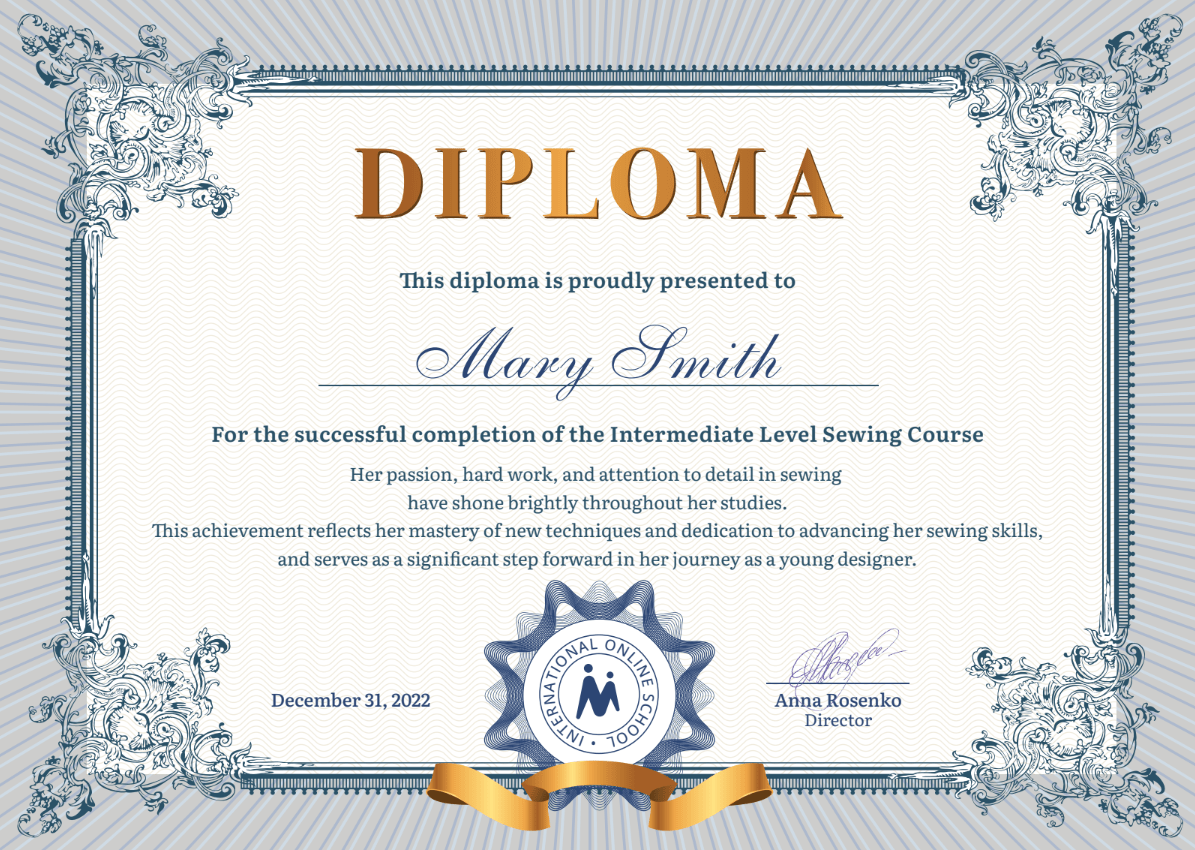
Modules
Basics of pattern making: taking measurements and drafting simple patterns for a skirt, shorts, or a T-shirt.
Sewing from a pattern: cutting fabric and sewing an item using a pattern you have drafted. Hemming, finishing edges, and sewing in elastic.
Decorating sewn items: embroidery, appliqué, and adding braid and lace.
Creating a series of items based on given themes. Preparing the work for a competition or exhibition.
 Advanced
level
Advanced
level
Age: from 12 years old
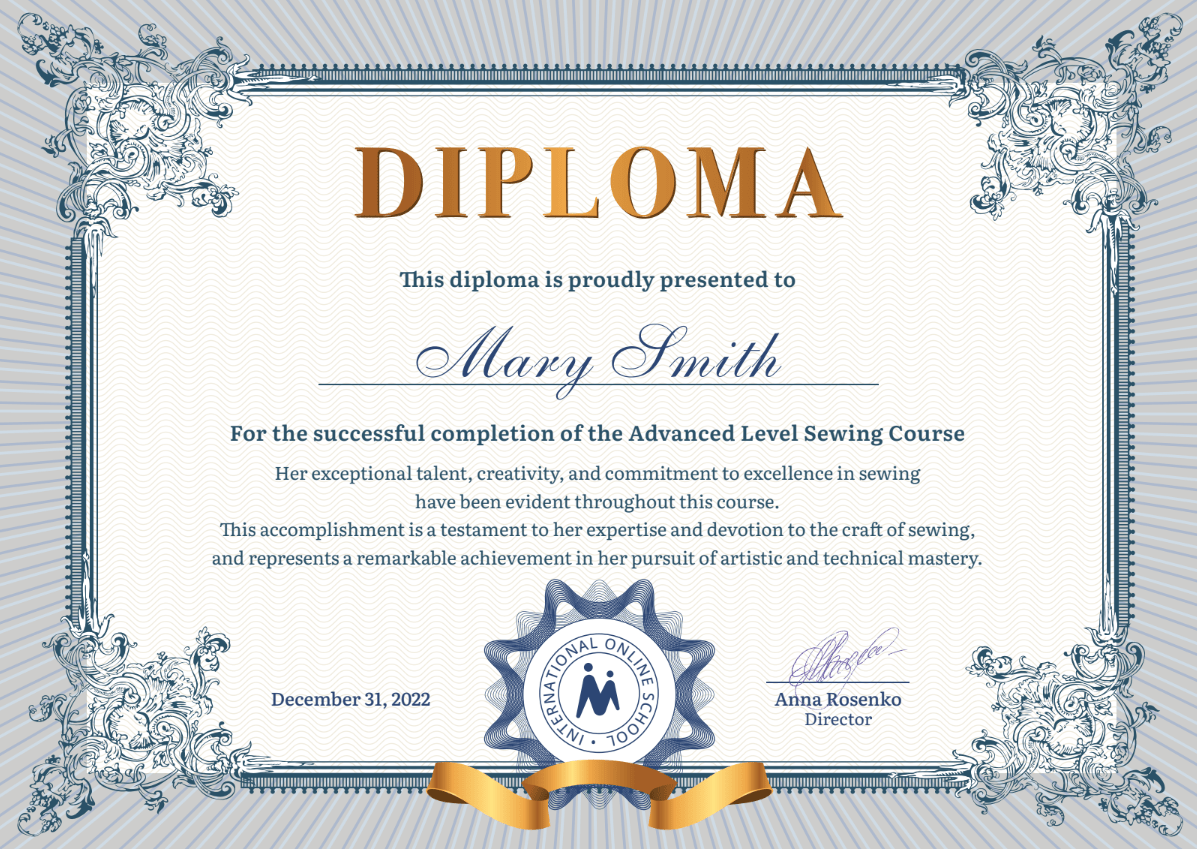
Modules
More advanced cutting and sewing techniques: designing and adjusting patterns, and sewing a dress, shirt, or trousers.
Working with linings and fasteners: attaching a lining, sewing in a zipper, sewing on buttons, and adding snaps.
Developing a project of your own: sewing a suit, garment, or accessory based on your idea.
Preparing garments for a fashion show or exhibition and putting together a portfolio. Participation in competitions and exhibitions is optional.
In our online sewing course, you’ll start with hand stitching and simple projects, then learn to work with patterns and a sewing machine. Over time, you can move on to more complex pieces and create your own designs. You can collect photos of your finished pieces in a portfolio and, if you wish, show your work in an online exhibition.
Sign up for a trial lesson and try working with fabric with guidance from your teacher.
Course Schedule
We teach every day, including weekends
To coordinate the day of the week and the time for your lesson, please write to us, and the administrator will arrange a convenient schedule for you!Contact Us



Student Reviews of the Course
Lucia Ferrer

Kirill
Tatiana Belova
Екатерина
Review language: Russian
Ирина Л.
Review language: Russian
Светлана С.
Review language: Russian
Виктория Федорова
Review language: Russian
Ольга П.
Review language: Ukrainian
Марія
Review language: Ukrainian
Victoria Soler
Review language: Spanish
Frequently Asked Questions (FAQ)
Helpful Articles
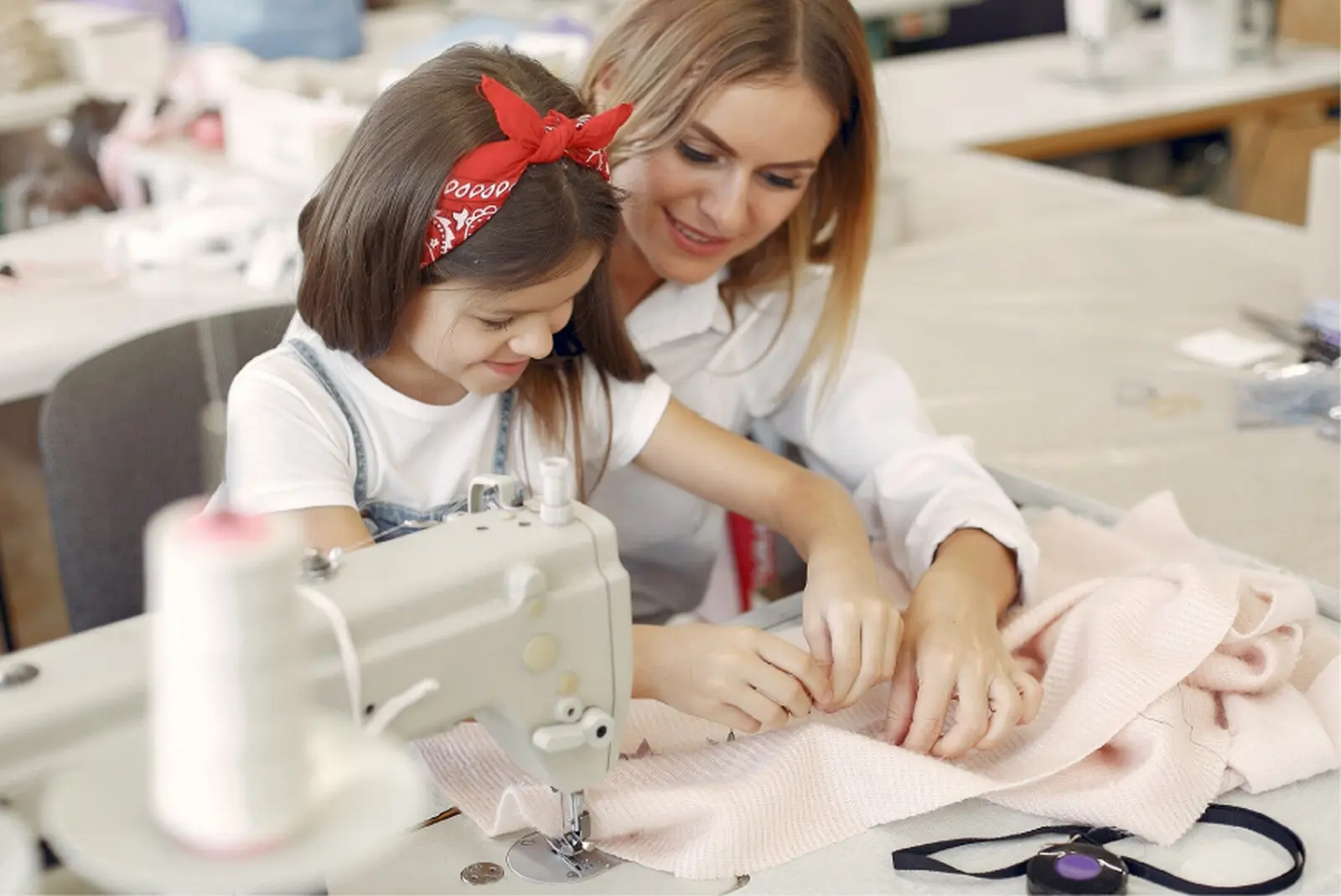
The Impact of Fashion and Sewing on Culture and Society
Fashion and sewing play a crucial role in shaping culture and society. These arts and crafts not only reflect and...
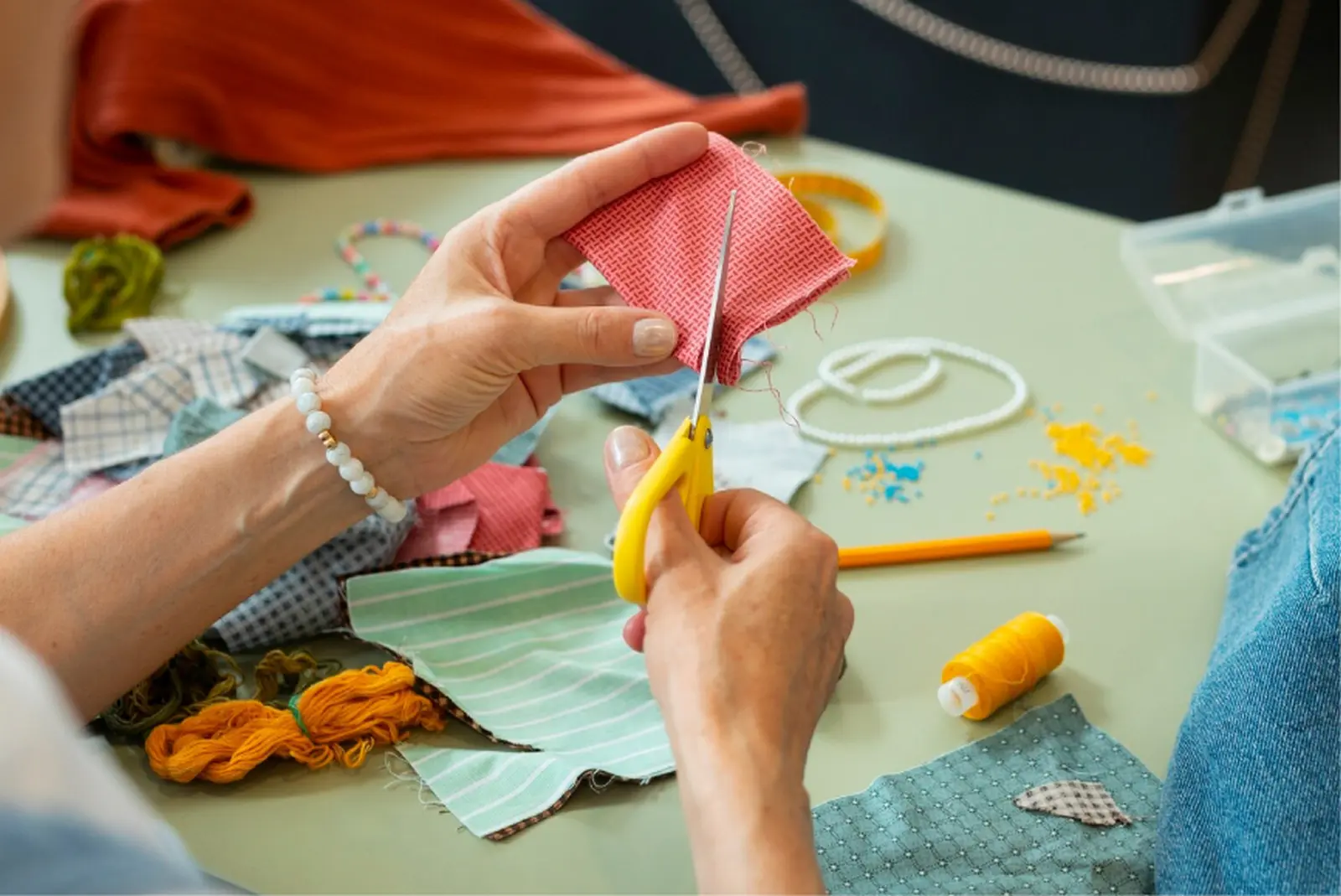
Best Fabrics for Sewing: Material Selection Tips
Choosing the right fabric is one of the most crucial steps in creating clothing or textile items. The choice of...
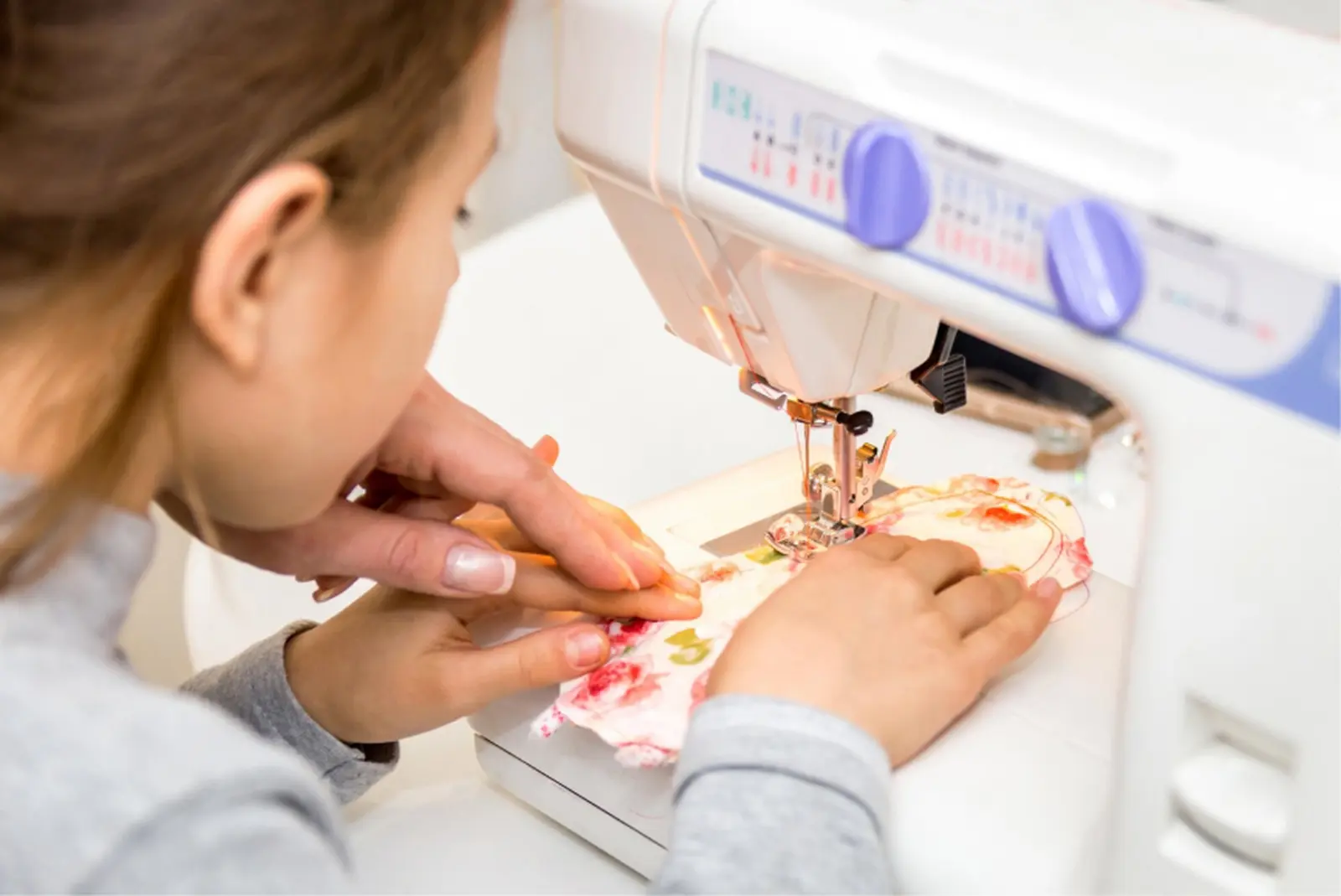
Famous Fashion Designers and Their Contributions to Fashion
Fashion is not just an art form and creativity but also a reflection of cultural and historical trends. Behind the...
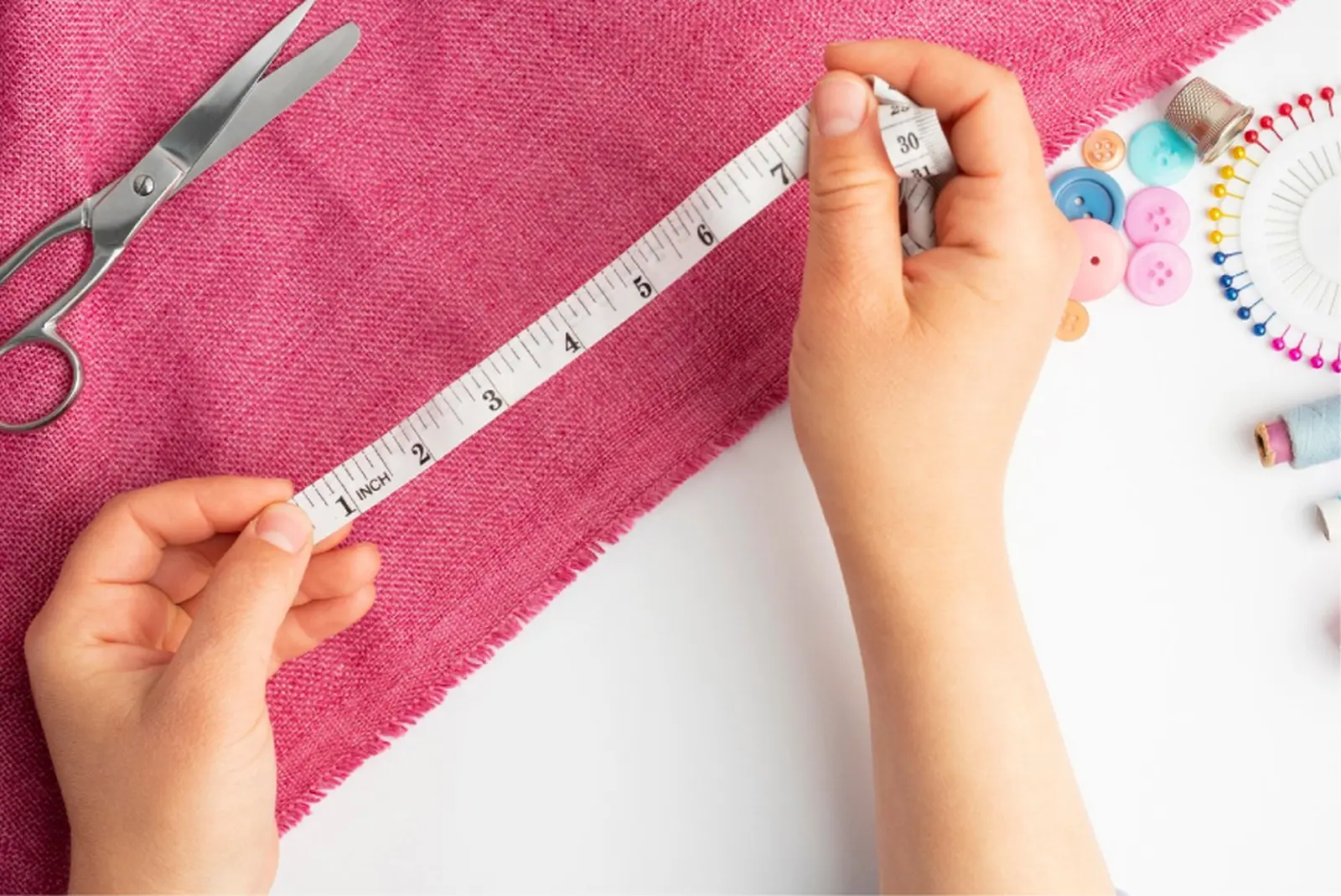
Basics of Pattern Making and Sewing: First Steps for Beginners
Pattern making and sewing are not just skills but a form of art that opens doors to creativity and self-expression....
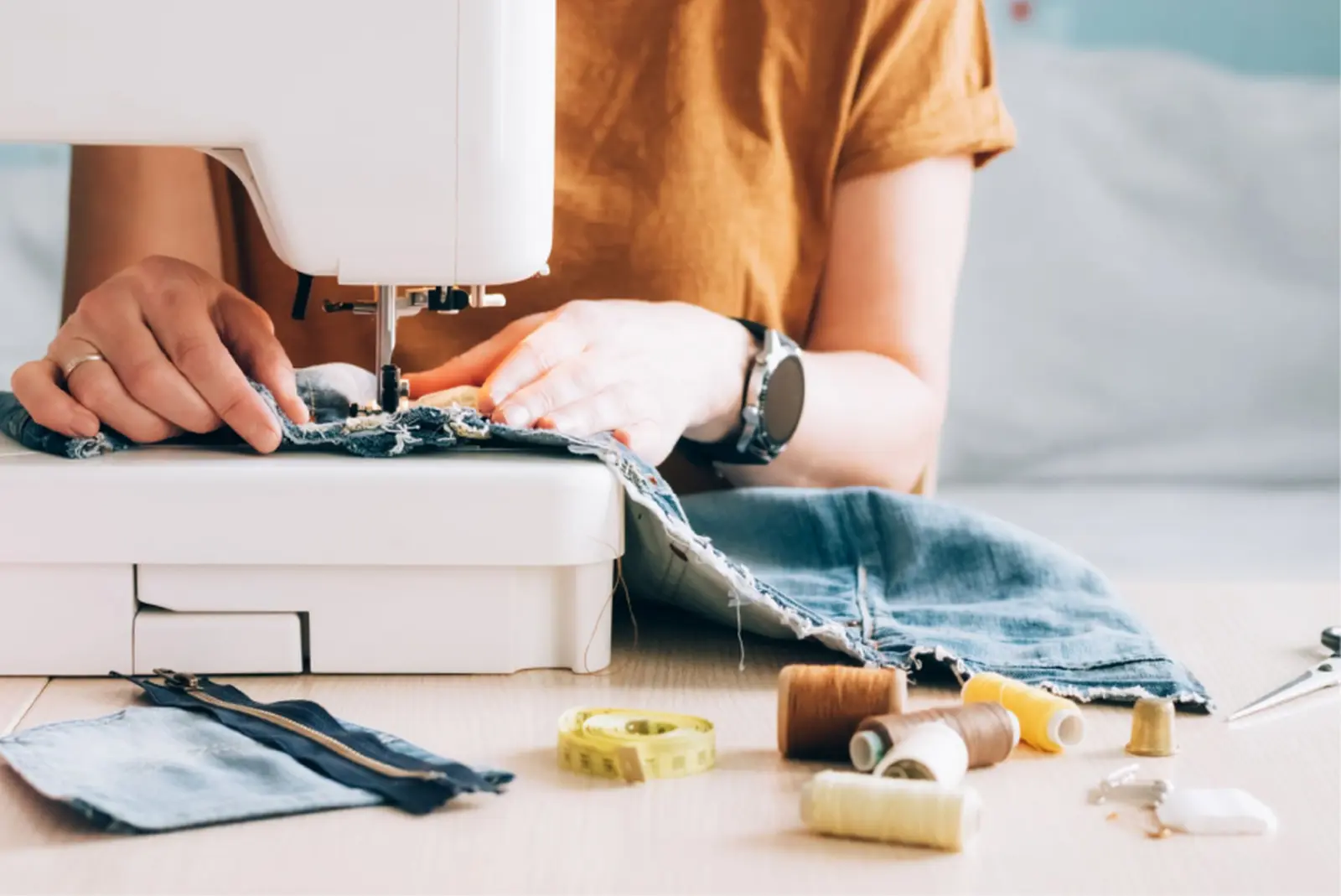
Creating Your First Piece of Clothing: A Step-by-Step Guide
Creating your first piece of clothing is an exciting and creative endeavor that can mark the beginning of a fulfilling...
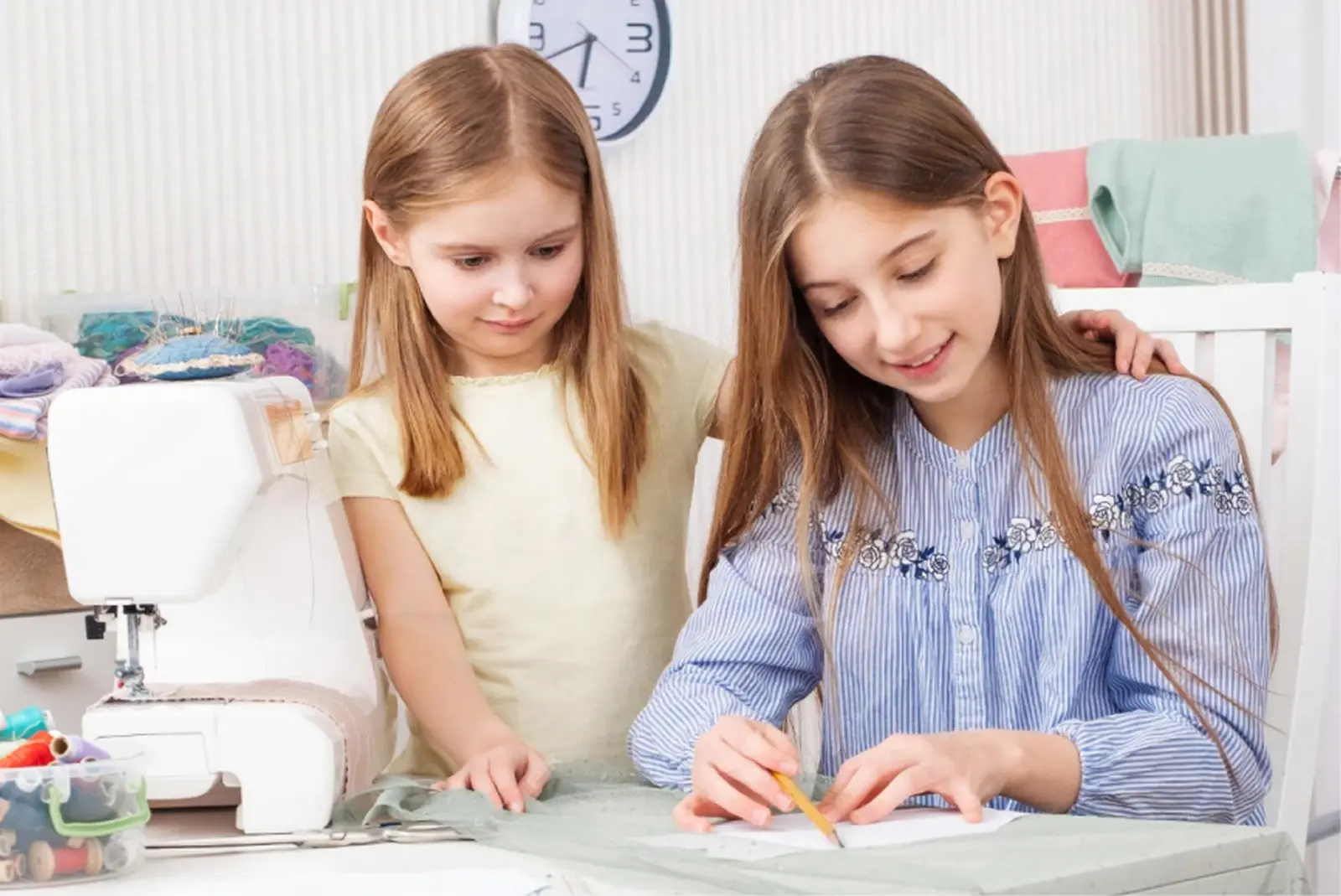
How Cutting and Sewing Develop Fine Motor Skills in Children
Cutting and sewing are not only enjoyable and creative activities but also excellent ways to enhance fine motor skills in...
Sewing as a Hobby and Profession: Pros and Cons
Sewing is a versatile activity that can serve both as an enjoyable hobby and a successful profession. In this article,...
History of Fashion: The Evolution of Pattern Making and Sewing
Pattern making and sewing are arts with a long and fascinating history. These skills have evolved over millennia, reflecting changes...
Modern Sewing Techniques: What Beginners Need to Know
Sewing has become more accessible and diverse thanks to modern technologies and techniques. For beginners who are just starting to...