History of Fashion: The Evolution of Pattern Making and Sewing
· Updated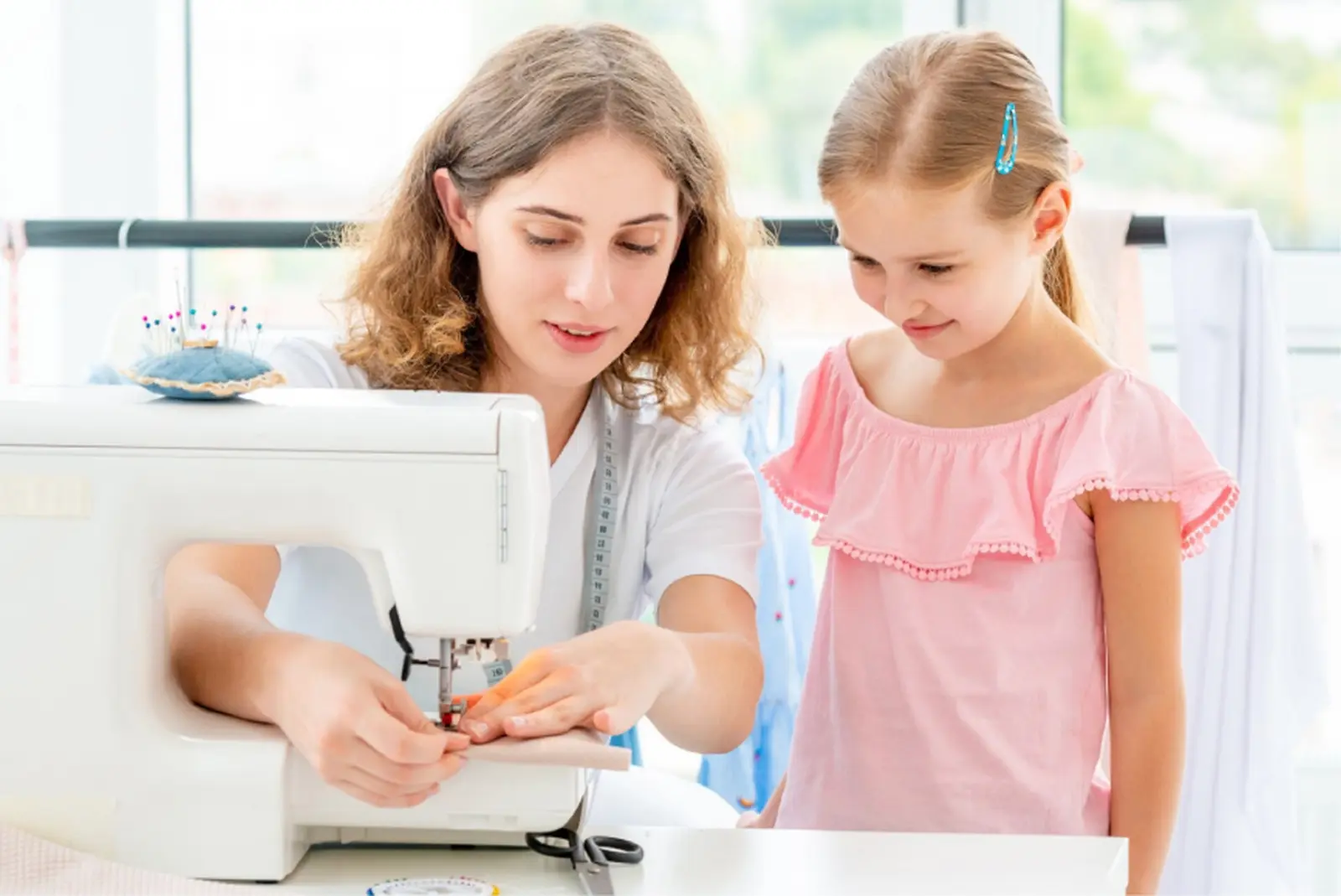
The needle and thread are among humanity’s oldest inventions, while the sewing machine and the paper pattern appeared only a couple of centuries ago. Here are the key milestones, with dates and names.
1. Ancient Times
The first needles were made of bone and wood. A bone needle found in Potok Cave in Slovenia is between 41,000 and 47,000 years old. Clothes were cut from hides and later from woven cloth, with the pieces stitched together by hand.
2. The Middle Ages
For thousands of years, all sewing was done by hand: a tailor cut by eye and to the client’s measurements, and how elaborate a garment could be depended on skill and time rather than tools.
3. The Renaissance and Baroque
Clothing grew more complex in cut and richer in decoration, and tailoring became a respected profession of its own. Yet everything was still sewn by hand, one garment at a time.
4. From the First Sewing Machines to Paper Patterns (1790–1863)
- 1790. Englishman Thomas Saint designed one of the first sewing machines, though he probably never built it.
- 1829. French tailor Barthélemy Thimonnier created the first practical sewing machine to come into wide use.
- 1845–1851. Americans Elias Howe and Isaac Singer built their own machines.
- 1858. Charles Frederick Worth opened a fashion house in Paris; he is seen as the father of haute couture. He pioneered showing garments on live models and stitching his own label into every piece.
- 1863. Ebenezer Butterick and his wife Ellen began selling paper patterns in several standard sizes, which transformed sewing at home.
5. Modern Fashion
Today patterns are graded into sizes with computer-aided design software, and many homes have a sewing machine. The basics, though, are the same as 200 years ago: measurements, a pattern, cutting and stitching. How sewing benefits children is covered in How Cutting and Sewing Develop Fine Motor Skills in Children.
How to Get Started
In our sewing course, students learn the basic techniques, how to use a sewing machine and tools, and the properties of fabrics, and they make patterns and sew clothes and accessories. Lessons are open to students from age 7. A trial lesson costs $8: it is individual and lasts 45 minutes. More about the course is on the Sewing page.


