Ser vs. Estar in Spanish: What Is the Difference?
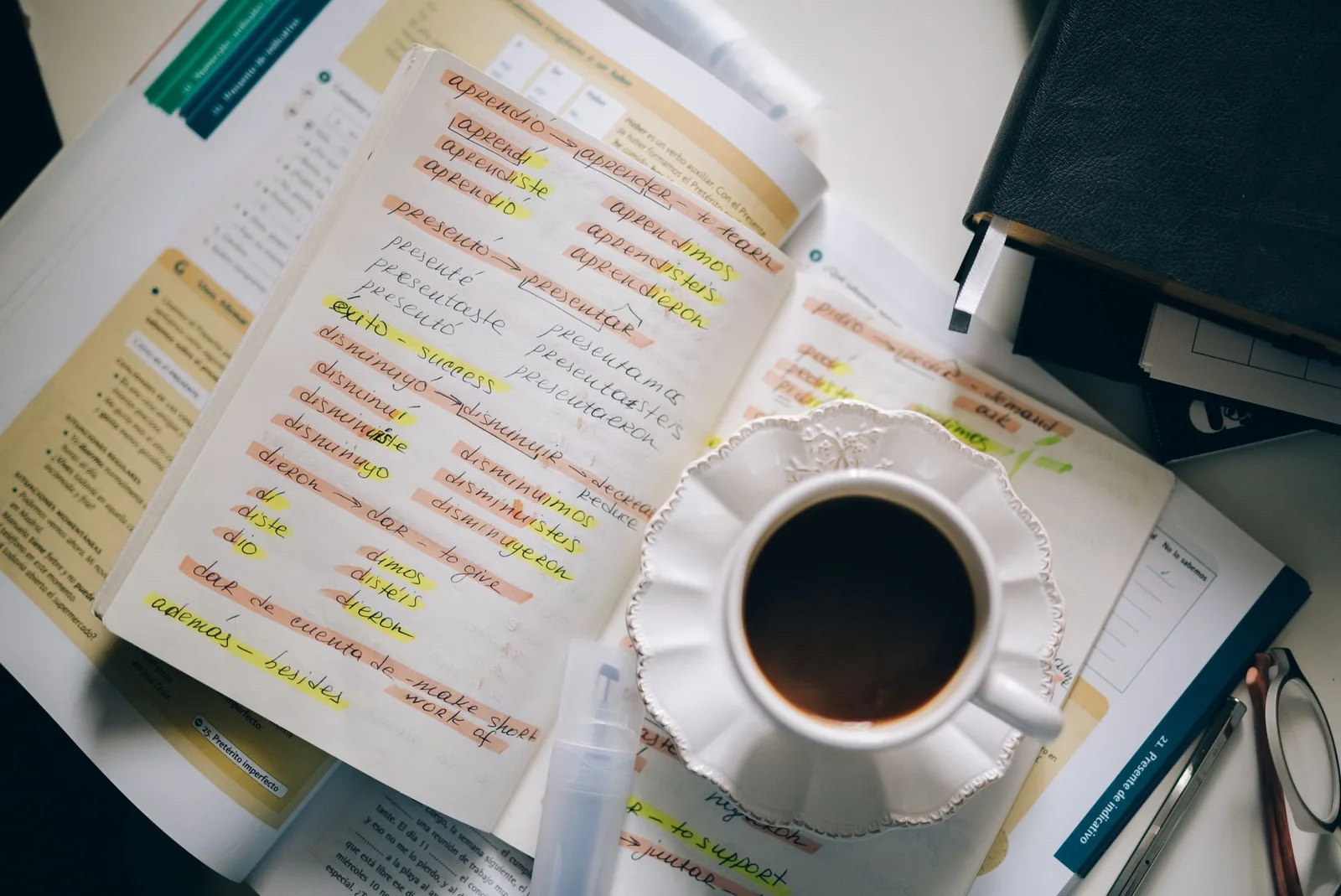
Spanish has two verbs meaning “to be,” ser and estar, and choosing between them is one of the first challenges for learners. Below is the main rule, when to use each verb, adjectives that change meaning and how to remember the difference.
The Main Rule
Ser describes what something is at its core: who or what it is and what a person or thing is like by nature. Estar describes a state or position: how someone feels right now or where something is. The words’ origins hint at this too: ser is related to the English “is” and “essence,” while estar comes from the Latin stare, “to stand.”
When to Use Ser
- Who or what someone or something is: Él es médico, “he is a doctor.”
- Nationality, origin and character: Soy de Ucrania, “I am from Ukraine”; Ella es inteligente, “she is smart.”
- Built-in qualities: El libro es muy bueno, “the book is very good.”
- Where an event takes place: ¿Dónde es el concierto?, “where is the concert being held?”
When to Use Estar
- States and how you feel: Estoy cansado, “I am tired”; Estoy muy mal, “I feel terrible.”
- Location, even a permanent one: El museo está en el centro, “the museum is in the center”; ¿Dónde está la estación?, “where is the train station?”
- How someone looks at the moment: ¡Qué bonita está!, “she looks so lovely today.”
One Adjective, Two Meanings
- ¡Qué bonita es! means she is beautiful in general; ¡Qué bonita está! means she looks especially lovely today.
- Él es viejo means he is old; Él está viejo means he has started to look old.
- Es aburrido means he is boring; Está aburrido means he is bored.
- Es listo means he is clever; Está listo means he is ready.
How to Remember
- Ask yourself: is this the essence or a state? Essence takes ser; states and places take estar.
- For places, remember the exception: events take ser, while things and people take estar.
- Learn the adjective pairs as fixed expressions, such as ser listo and estar listo.
- Say short sentences about yourself: who you are (ser), how you are today and where you are (estar).
How to use Spanish in everyday life is covered in How to Use Spanish in Everyday Life, and how to stay motivated in How to Stay Motivated While Learning Spanish.
Our Spanish Course
In our Spanish course, students study grammar, learn to hold a conversation and understand spoken language, build their vocabulary and write messages, letters and essays. The teacher assesses each student’s level and builds an individual program. Lessons are open to students from age 5. A trial lesson costs $8: it is individual and lasts 45 minutes. More about the course is on the Spanish page.


