Famous Flutists and Their Contribution to the Arts
· Updated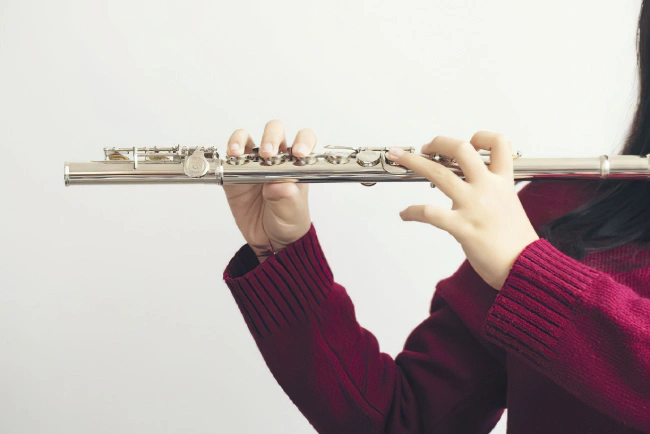
Getting to know great flutists is the best way to hear what the instrument can do. Here are players who changed how people think of the flute, from classical to jazz and rock, with facts and recordings worth seeking out.
Marcel Moyse (France)
He trained at the Paris Conservatory under Paul Taffanel, Philippe Gaubert and Adolphe Hennebains, all virtuosos of their day. He wrote many flute studies, among them De la sonorité on tone, taught in Montreal and co-founded Vermont’s Marlboro Music School and festival. Moyse aimed to teach students “not how to play the flute, but to make music.”
Jean-Pierre Rampal (France, 1922–2000)
Rampal made the flute popular after World War II, bringing Baroque music back into the repertoire and inspiring new works by composers including Francis Poulenc. His first commercial recording, from 1946, was Mozart’s Flute Quartet in D. Audiences in the US and Japan took to him in particular.
James Galway (Northern Ireland)
Born in Belfast in 1939, he won three of the city’s flute championships in one day at age eleven. From 1969 to 1975 he was principal flute of the Berlin Philharmonic. His nickname is “The Man with the Golden Flute.” His 1978 instrumental version of “Annie’s Song” became his only major British hit, and he was knighted in 2001.
Emmanuel Pahud (Switzerland)
Born in Geneva in 1970, he trained at the Paris Conservatory, then joined the Berlin Philharmonic in 1992. He is best known for Baroque and classical repertoire.
Beyond Classical Music
The flute is at home in jazz and rock too: well-known names include jazz players Herbie Mann and Hubert Laws, and Ian Anderson of the rock band Jethro Tull. More about them and about flute playing styles is in Flute Playing Styles: Classical, Jazz and Contemporary.
How to Listen
Compare how different flutists play the same piece: where they breathe, how they shape a phrase, what their tone is like. That helps you find your own style. How the flute traveled from a bone pipe to the modern instrument is covered in The Flute’s History: From Antiquity to Modern Times.
How to Get Started
In our flute course, students learn to hold the instrument correctly, set their lips and hands, work on breathing and an even tone, read music and learn pieces in different styles. Lessons are open to students from age 7. A trial lesson costs $8: it is individual and lasts 45 minutes. More about the course is on the Flute page.


