Online
Modeling and Sculpture
Classes
In our online sculpting lessons, you’ll work with clay and plasticine, try different techniques, and create your own figurines and sculptures!







Trial Lesson
If you want to book a trial modeling and sculpture lesson, you need to schedule and pay $8.00€8.00₴300.00.
The trial lesson is conducted individually and lasts for 45 minutes.

Subscription
If you enjoyed the trial lesson, you can purchase a subscription by making a prepayment for at least 4 lessons.
The price of a 4-lesson subscription is $60.00€55.00₴2680.00 (the cost of one lesson is $15.00€13.75₴670.00).
Payment must be made at least 24 hours before the lesson's start time.

Discounts
When you purchase 8 lessons or more, a discount applies. The more lessons, the more you save!
Course Overview
The online Modeling and Sculpture course is designed for children aged 5 and older, as well as adults. Students learn different techniques, work with clay, plasticine, and other materials, and create three-dimensional figures and compositions. The program has four levels: Preparatory, Beginner, Intermediate, and Advanced.
A one-on-one lesson lasts 45 minutes. Lessons can be taught in Russian, Ukrainian, or English. We agree on the lesson schedule and language of instruction before the course begins.
Lessons take place on Google Meet or Zoom. Our teachers have degrees in fine arts and extensive experience. Many also practice sculpture and take part in exhibitions and workshops.
You can choose how often to have lessons to suit your schedule. We recommend two lessons a week: this makes it easier to revisit techniques regularly and find time to practice between lessons.
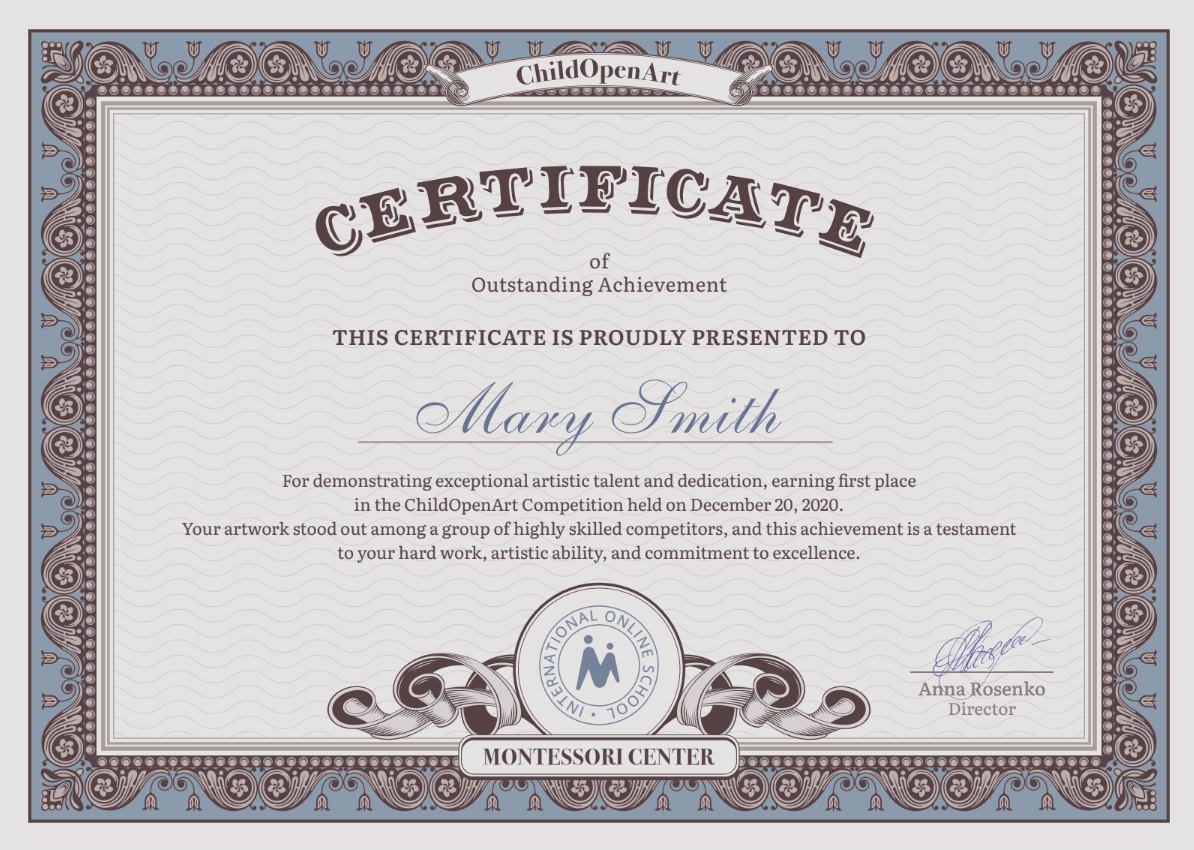
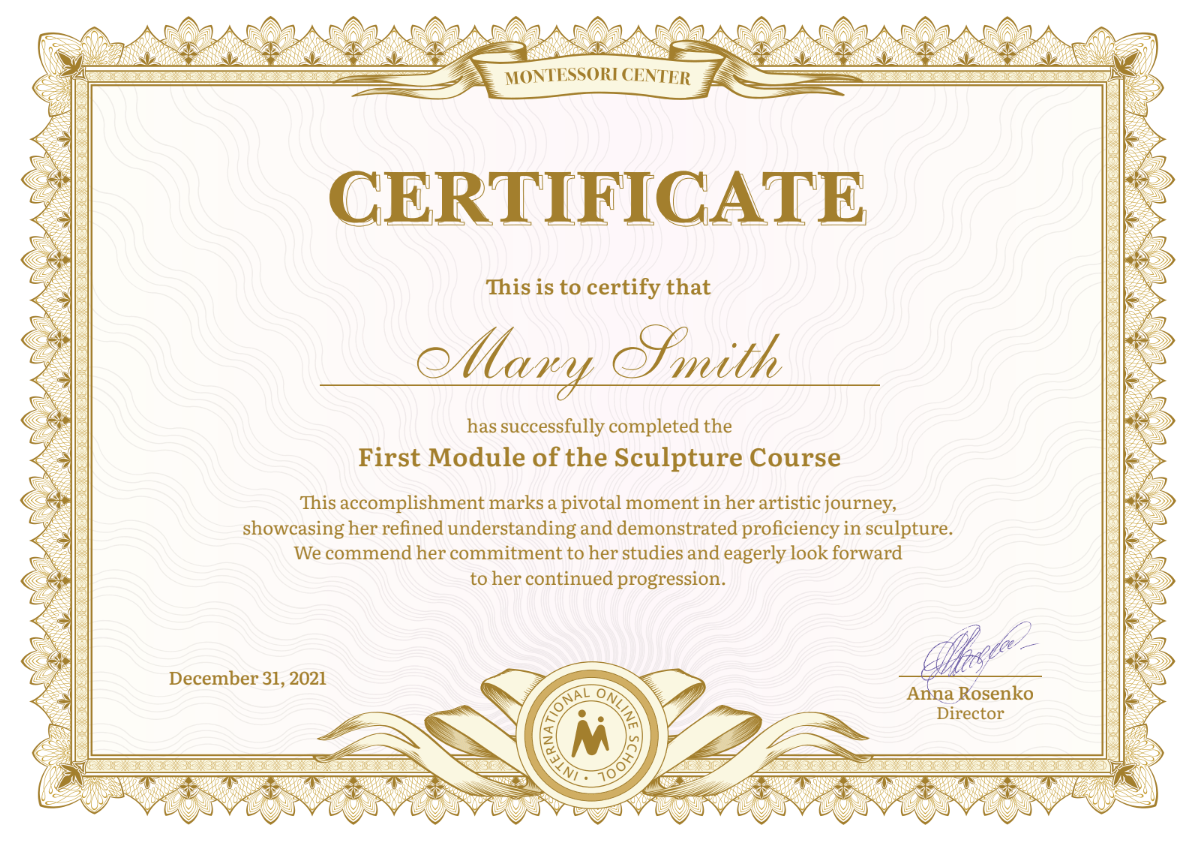
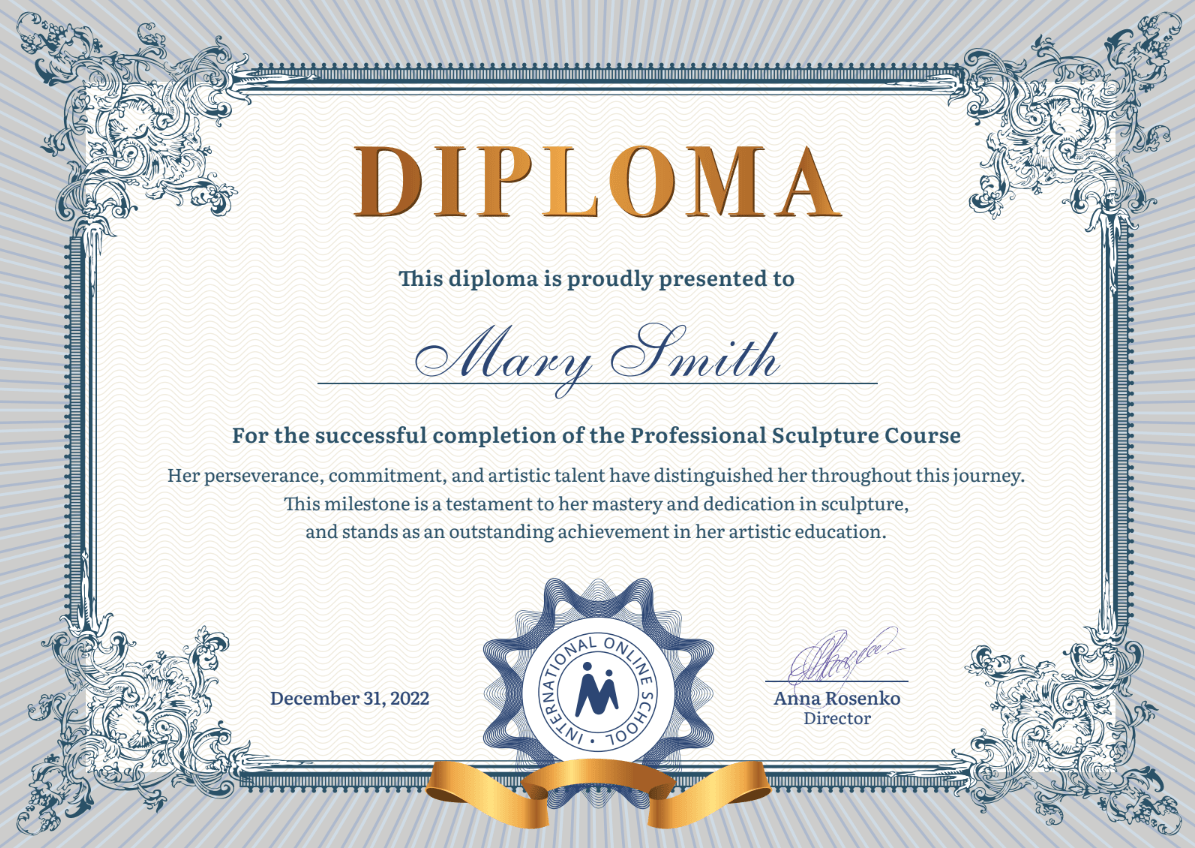
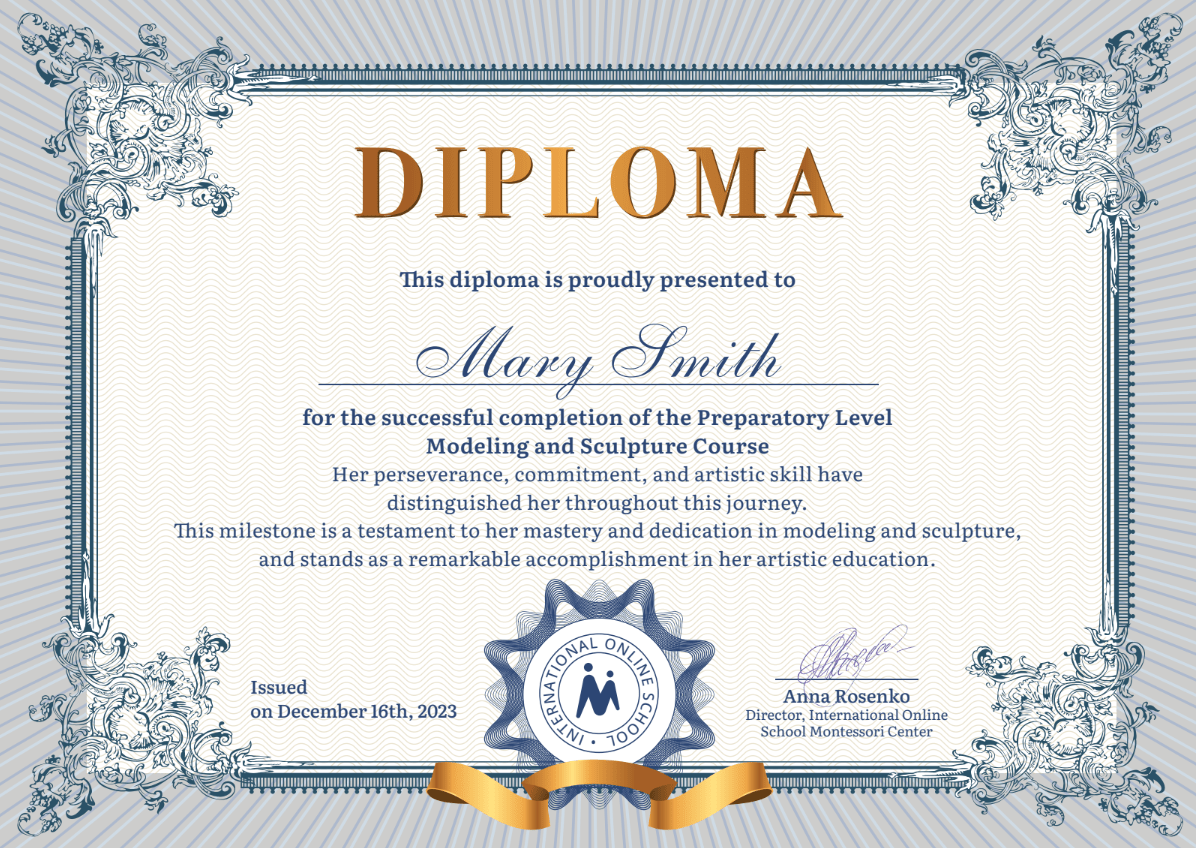
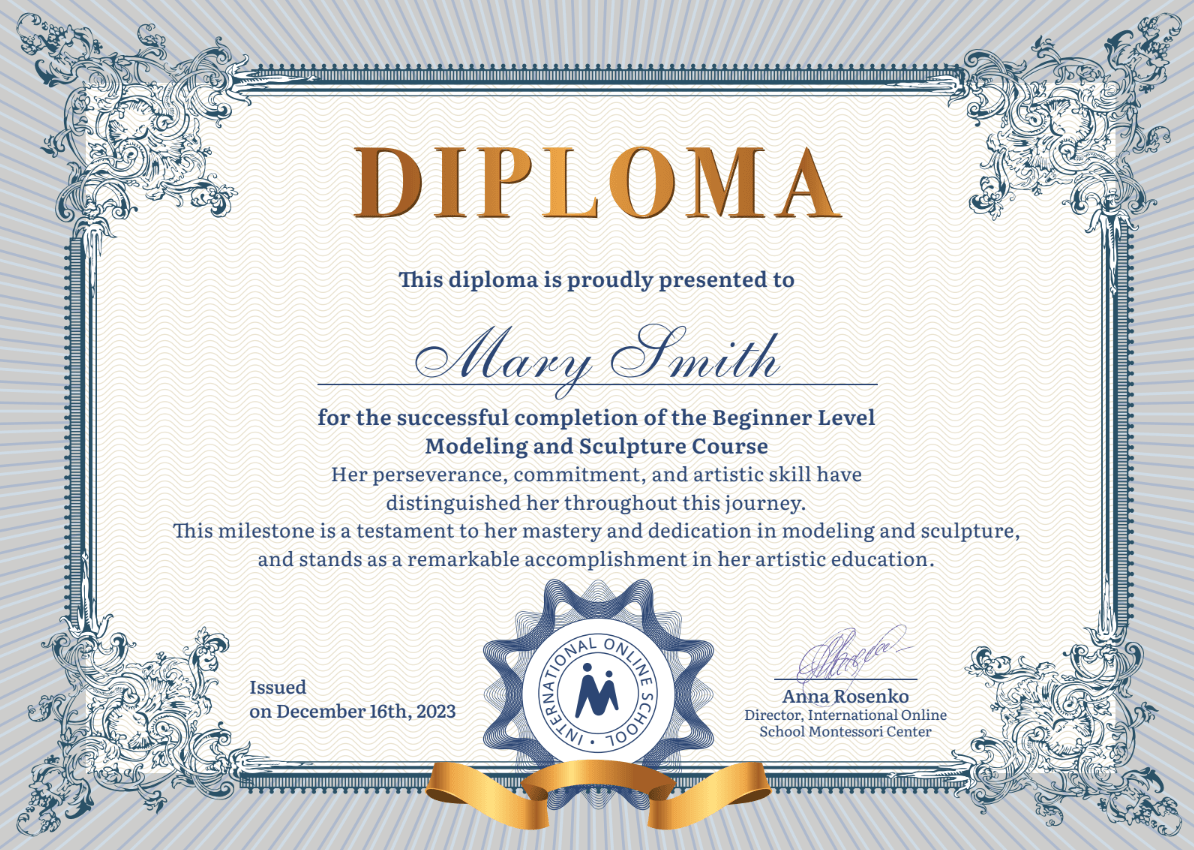
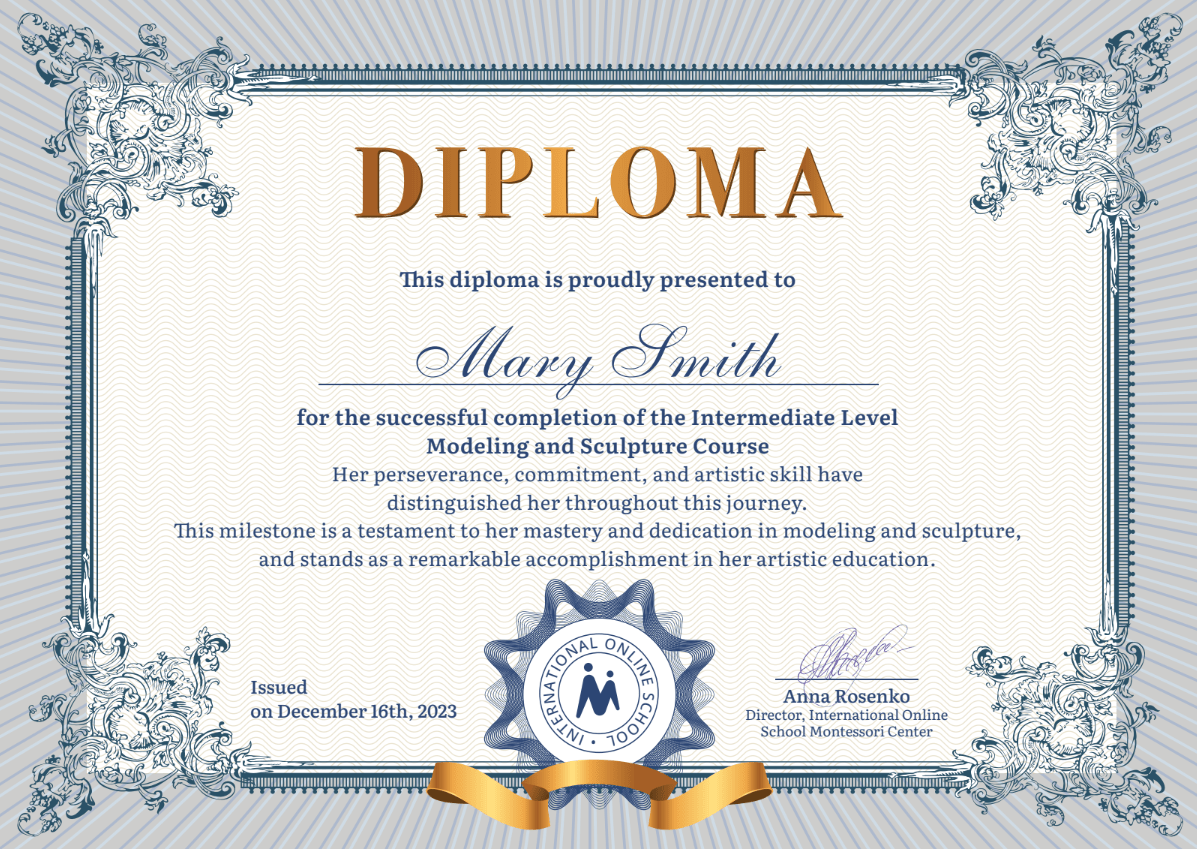
Our students take part in exhibitions, competitions, and workshops and may receive awards for their work. Students receive a certificate after each module and a diploma after completing a level.
Teaching Method
Our method of teaching modeling and sculpture is an original Montessori Center program for children and adults. At the start of the course, the teacher and student set specific goals together. The student then learns modeling techniques step by step and applies them to their own work. Taking part in an exhibition or competition offers a chance to present that work and see what they have achieved.
Benefits of Our Teaching Method
Clear goals: students understand what they are working on and what they can achieve by completing each task.
Flexible learning: tasks become more challenging as students develop their skills. They can spend more time on a difficult stage and revisit a topic when needed.
Practical experience: finished pieces can be prepared for an exhibition or competition. Students have an opportunity to show their work to an audience and receive feedback.
Suitable for different ages: both children and adults take this course. Teachers choose tasks according to each student’s age and experience.
Continued development: after reaching their first goals, students can continue taking lessons, try new materials, and move on to more complex pieces.
Preparatory Level
The Preparatory level is designed for children aged 5–6. In online modeling lessons, they get to know the materials, learn to use sculpting tools, and create their first pieces. The teacher shows them how to make a simple shape, join parts together, and add recognizable features of an animal, plant, or familiar object. Tasks gradually become more challenging as the child gains experience.
Beginner Level
At the Beginner level, students learn to work with materials and tools, make simple shapes, and join them into a single figure. They try basic techniques and look at examples of sculpture in different styles. By the end of this level, students can create a simple piece using what they have learned in lessons.
Intermediate Level
At the Intermediate level, students move on to more complex compositions. They work on proportions, volume, and details, and learn to choose techniques that convey the image they have in mind. They also decide which features of the finished piece should catch the viewer’s attention first.
Advanced Level
At the Advanced level, students learn more complex modeling and sculpting techniques, work with different forms, and create compositions based on their own ideas. The teacher helps them plan the stages of a project and choose ways to express an idea through the material.
By the end of the course, students can complete a complex piece independently: choose a material, build a composition, and refine the details. At this level, they continue improving their technique and developing their own way of working.
Course Goals
One of the course’s main goals is to learn how to work with materials. Students explore form, volume, and composition, and learn techniques that help them progress from a simple figure to a more complex piece. Regular practice is needed to strengthen these skills.
The teacher demonstrates different modeling methods and explains how to choose a technique for a particular task. The same subject can be portrayed in different ways through form, proportions, details, and surface texture.
Students also learn to observe objects and assess their own work: whether they have captured the form, what they might change, and which details matter to their idea. Over time, they become better able to plan a new figure or composition independently.
The course offers a chance to try different styles. Students see how their work changes as they learn, set new goals, and choose subjects that interest them. The process of making a piece matters as much as the finished result.
Benefits of Modeling and Sculpture Lessons
Creative thinking: before starting to model a figure, students need to imagine it in three dimensions. They think about its shape, the placement of details, and how it will look from different angles. If their first idea does not work, they look for another way to make it.
Fine motor skills and coordination: working with clay and plasticine requires precise hand movements. Students roll out the material, join small parts, change the shape, and work on the surface. For children, this provides additional practice with fine movements.
A chance to switch focus: modeling can help students step away from everyday concerns for a while and concentrate on working with their hands. Shape and imagery offer a way to express a mood or impression that may be difficult to put into words.
Observation and attention to detail: to model a recognizable object, students need to study its proportions, outline, and surface. They learn to notice these features and decide which ones to include in their work.
Confidence in their abilities: a finished piece lets students see the result of their efforts. If they decide to enter an exhibition or competition, they gain the experience of presenting their work.
Experimenting with materials: clay, plasticine, and other materials behave differently. By trying various techniques, students find out how to achieve a particular shape or texture and what to do if their first attempt does not work.
Communication and discussing work: in a one-on-one lesson, students tell the teacher about their ideas, ask questions, and learn to respond to feedback. Group lessons also give students a chance to talk with peers and discuss their creative ideas.
Discovering art: by looking at sculptures from different artists and periods, students notice how sculptors use form, materials, and imagery. These examples can inspire ideas for their own work.
Patience and working step by step: a sculpture takes shape in stages. Sometimes a detail needs to be remade, or students need to return to an earlier part of the work. They learn to finish what they start and assess the result of each stage.
People take modeling and sculpture lessons for different reasons: to develop fine motor skills, help a child connect with peers, explore materials, learn to create three-dimensional pieces, or prepare work for an exhibition. The program lets students start with the basics and gradually move on to tasks that interest them.
News


How Modeling and Sculpture Lessons Are Conducted
Equipment: for online modeling and sculpture lessons, you will need a device with a camera and internet access — a computer, tablet, or smartphone.
Internet: a stable, fast internet connection is important for lesson quality. We recommend checking your connection before class to avoid interruptions while speaking with your teacher.
Video conferencing platform: lessons take place on Zoom or Google Meet. Install and set up the required app in advance. Check that your video and audio are working before the lesson.
Audio: we recommend using headphones with a microphone so you can hear the teacher clearly.
Lighting and workspace: make sure your workspace is well lit so the teacher can see your work and offer guidance. Position a desk lamp over your work area without creating glare on your screen or materials.
Lesson link: we will send you the link in advance by email or through your preferred messaging app. Check that you have received it the day before the lesson.
Lesson materials: prepare enough clay or plasticine, along with sculpting tools and cutters. You will also need a flat work surface protected by a nonstick mat or board.
Setting up your workspace: position your device so the teacher can see you and your work area. This will help them follow your progress and suggest adjustments as you work. Join the lesson in Zoom or Google Meet using the link 5–10 minutes before it starts. Check that your camera and microphone are working and your internet connection is stable.
These steps will help your online modeling and sculpture lesson run smoothly and give you more time to focus on your work.
Feedback: your teacher shows you different sculpting techniques and explains how to create the shape you want. As you work, they point out what is going well and what needs adjusting.
Ask questions: if a technique is unclear or something is not working out, ask your teacher. They will show you again and help you figure it out.
Practice: you spend most of the lesson working on your own sculpture. Your teacher follows your progress and helps you perform each technique more precisely.
Working alongside your teacher: your teacher sculpts alongside you, showing the stages on their own piece. This makes it easier to see how to achieve the shape or texture you want.
End of the lesson: you and your teacher will discuss the techniques you have learned, what to practice at home, and what to work on in the next lesson.
Materials for independent practice: your teacher will suggest sculpting techniques to practice at home, share examples of sculptures, and recommend additional resources on the topic.
You can come to your first lesson with an idea of your own or decide what to make together with your teacher. You’ll start sculpting and see it gradually take shape.
Modeling and Sculpture Teachers

Victoria Grigoryeva
Modeling and Sculpture, Painting, Computer Graphics

Valeria Moskvitina
Modeling and Sculpture, Painting

Kateryna Romaniuk
Modeling and Sculpture, Painting, Computer Graphics

Anastasia Oleynikova
Modeling and Sculpture, Painting

Elena Stupak
Modeling and Sculpture, Painting, Computer Graphics, Animation
Modeling and Sculpture Course Program
 Preparatory
level
Preparatory
level
Age: 5 - 6 years
Modules
Creating simple shapes and figures from playdough and clay.
Exploring and utilizing different materials for sculpture.
Creating simple sculptures depicting animals and plants.
Creating sculptures depicting animals, plants, and objects from the surrounding world.
 Beginner
level
Beginner
level
Age: 7 years and older
Modules
Creating simple shapes and figures from playdough and clay using additional materials (tools, armatures).
Exploring and utilizing different materials for sculpture: playdough, clay.
Studying various types of sculptures (in-the-round, relief, decorative).
Introduction to various forms and genres of sculpture (animalistic, domestic, portrait). Creating sculptures depicting animals, plants, and objects from the surrounding world.
Introduction to abstract art and its application in sculpture.
Experimenting with forms and textures in abstract sculptures.
 Intermediate
level
Intermediate
level
Age: 10 years and older
Modules
Creating personal abstract sculptural works.
Working on large projects related to specific themes and ideas.
Collective creativity and collaboration in creating sculptural installations.
Preparation and participation in a competition or exhibition.
 Advanced
level
Advanced
level
Age: 12 years and older
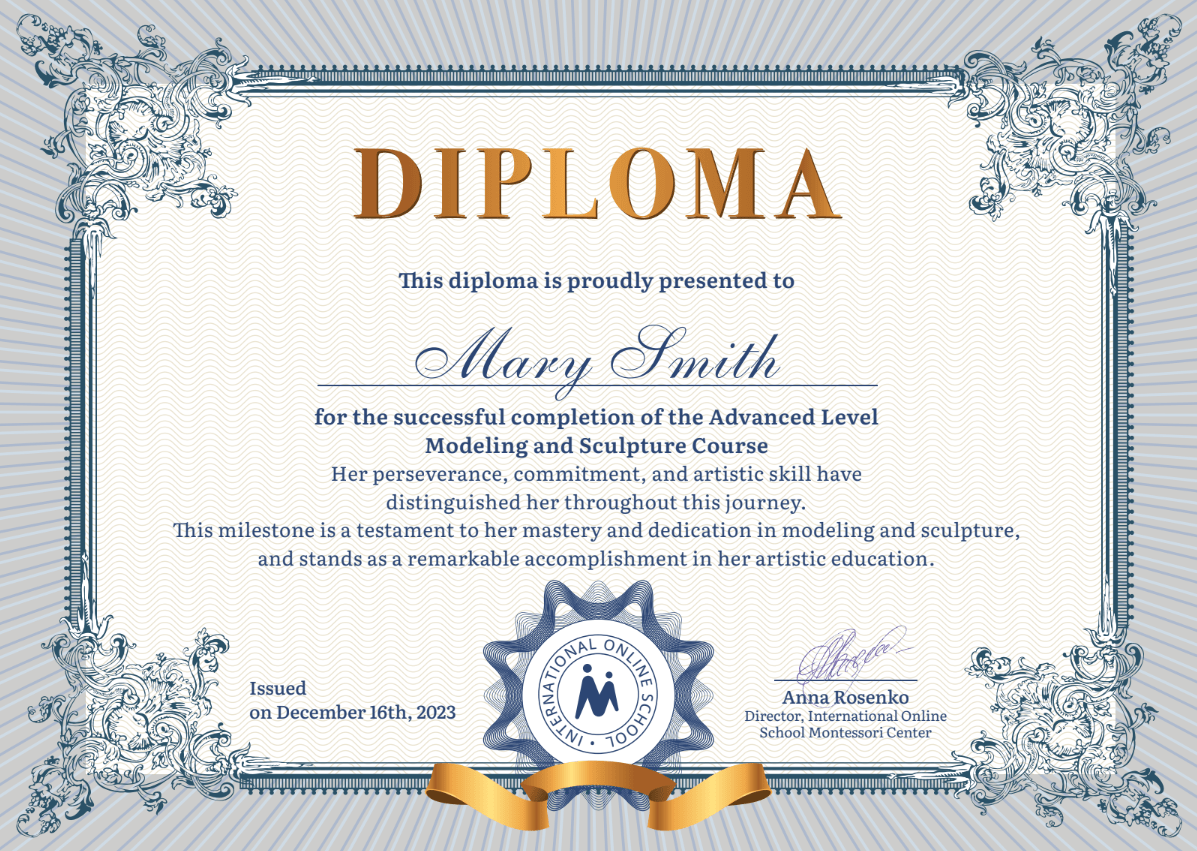
Modules
Creating compositional sculptures that convey proportions, genre, style, plasticity of forms, emotions.
Learning about the history of sculpture and famous sculptors. Exploring contemporary directions in sculpture and experimenting with their elements.
Studying various stylistic directions in sculpture. Creating sculptures that reflect a specific stylistic direction.
Developing and implementing individual sculptural projects. Preparation and participation in a personal exhibition and other exhibitions and competitions.
The online modeling and sculpture course is for children aged 5 and up and adults. Students begin with simple figures, then move on to more complex compositions, learn different techniques, and work with abstract forms. In online group lessons, students can work on a shared theme: each creates their own sculpture, then shows it to the others and discusses the results. If a student wants to take part in an exhibition, the teacher will help them prepare and present their sculpture. Lessons also introduce students to the history of sculpture and contemporary art movements. This offers new ideas for their own work and helps them gradually find their own style.
You don’t need any experience to start sculpting — your teacher will show you where to begin. Sign up for a trial lesson today!
Course Schedule
We teach every day, including weekends
To coordinate the day of the week and the time for your lesson, please write to us, and the administrator will arrange a convenient schedule for you!Contact Us



Student Reviews of the Course
Валерія

Екатерина М.
Quentin Roy
Майя
Виктория
Hannah Weiss
Raquel Pinto
Марина С.
Ines Cardoso
Алексей
Frequently Asked Questions (FAQ)
Helpful Articles
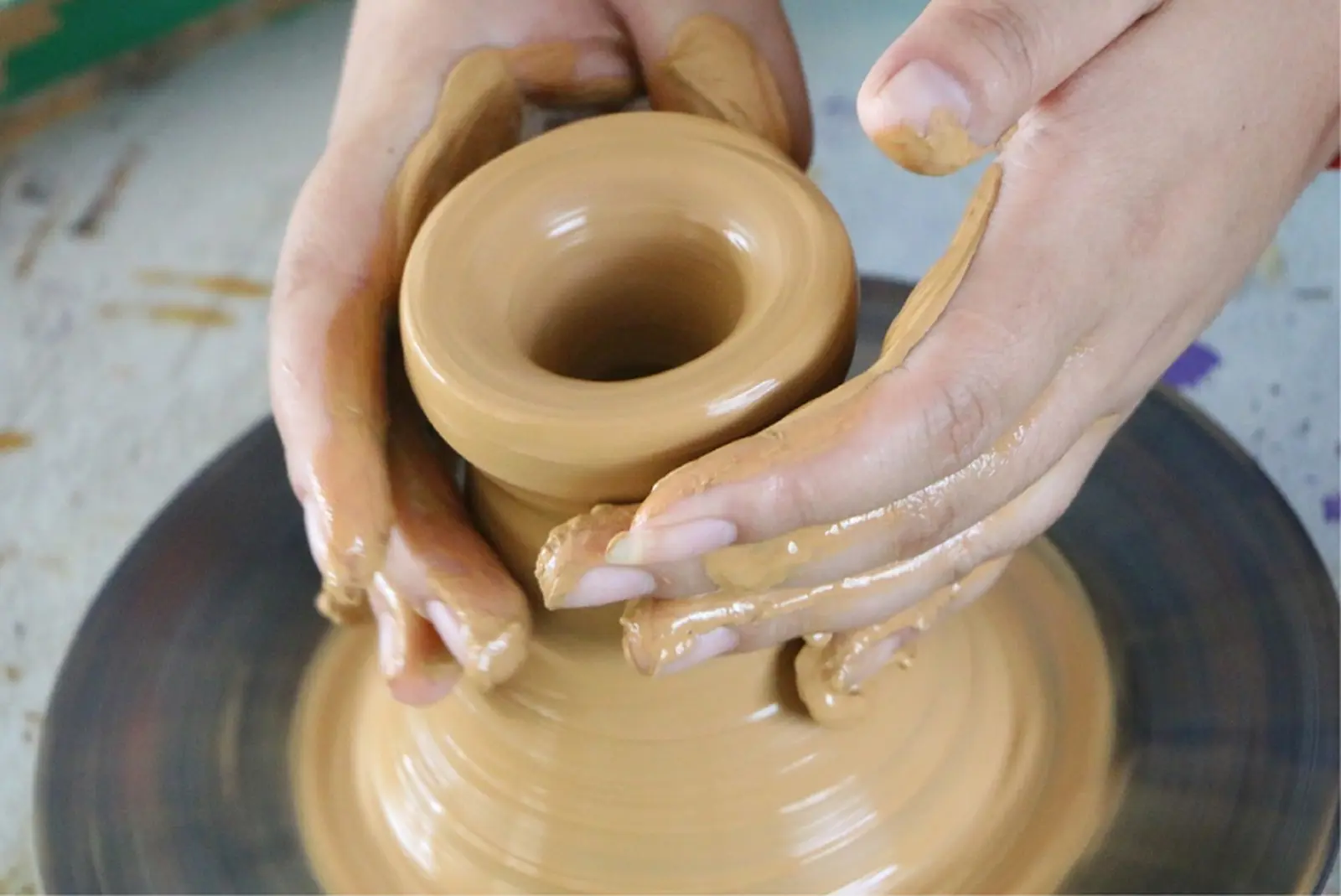
Modern Sculpture Techniques: What Beginners Need to Know
Modern sculpture is a dynamic and evolving field of art that encompasses a wide range of techniques and methods. From...
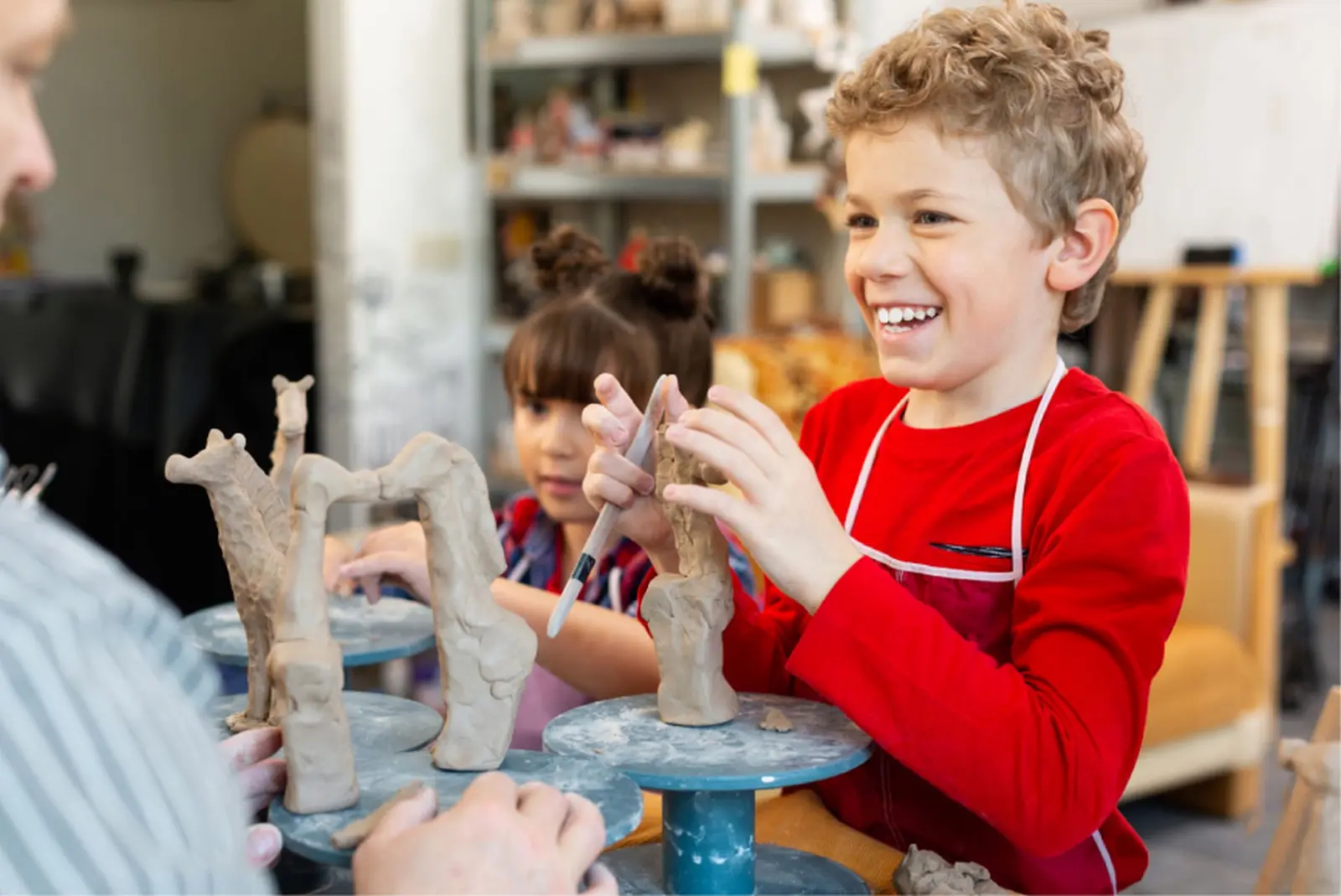
The History of Sculpture: From Antiquity to Modern Times
Sculpture, as the art of creating three-dimensional forms, has a long and fascinating history, encompassing a wide range of styles,...
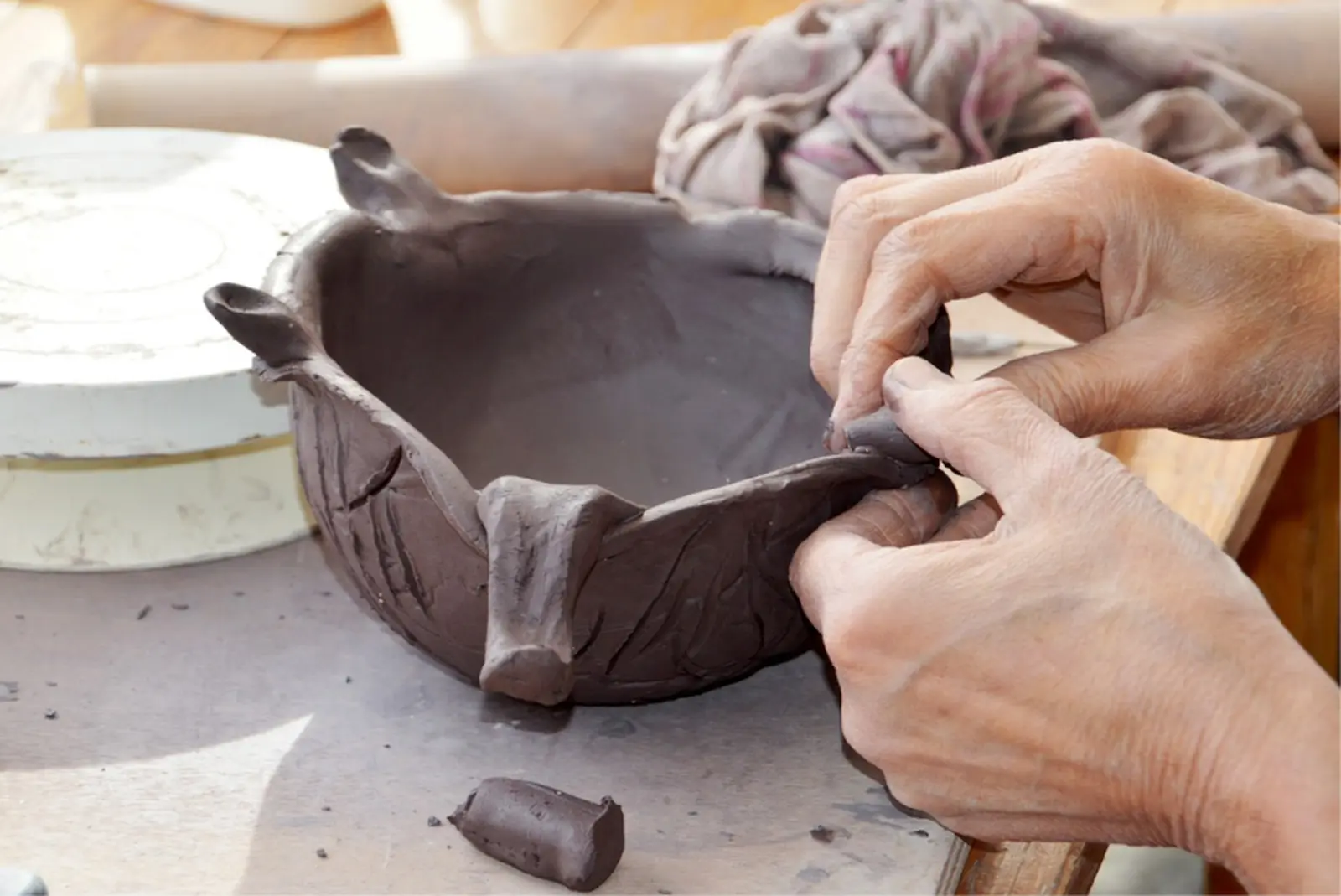
How to Create Your First Sculpture: A Step-by-Step Guide
Creating your first sculpture can be an exciting and rewarding experience. This process requires patience, attention to detail, and a...
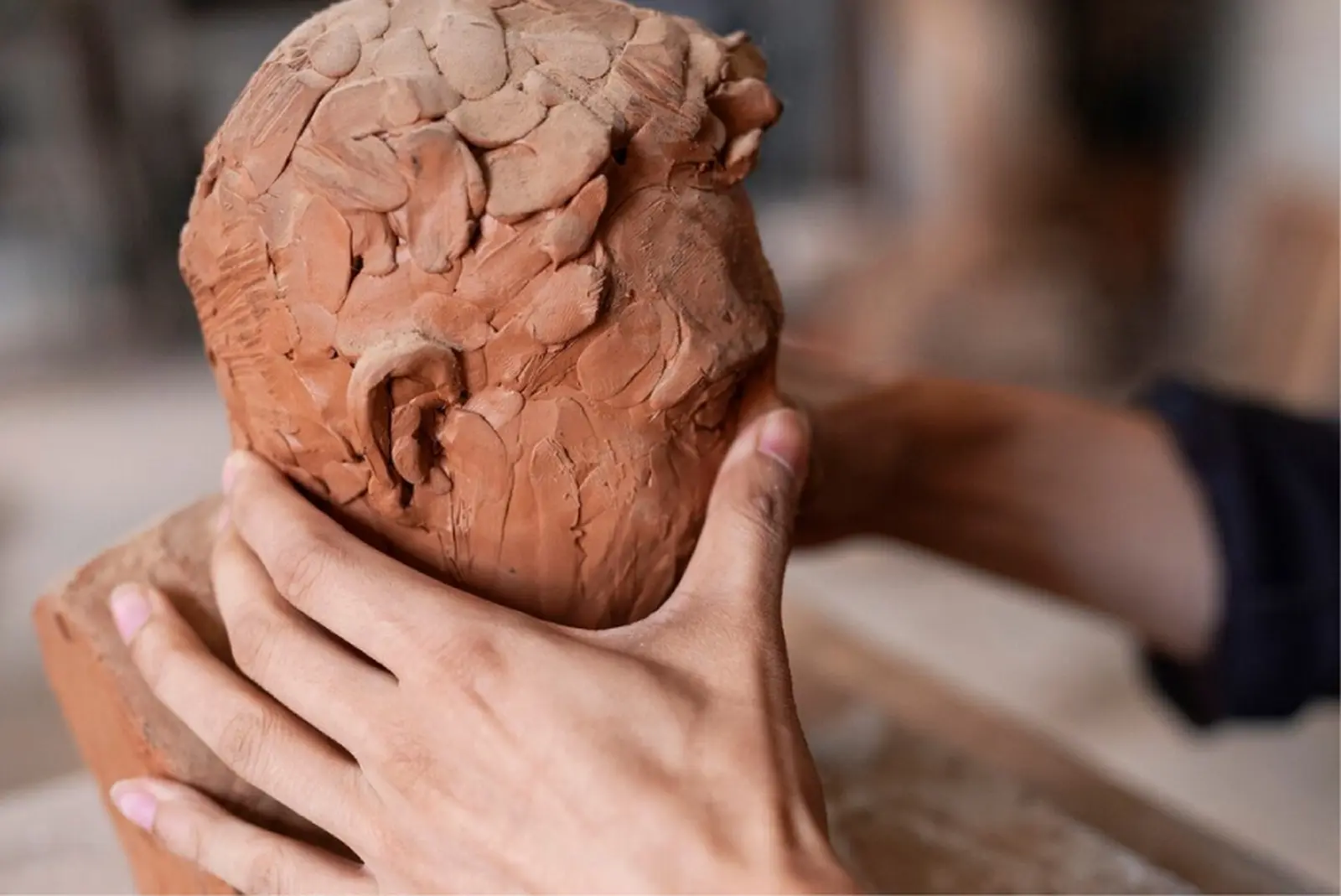
Top 10 Sculpting Materials and Their Characteristics
Sculpting is an engaging and creative activity that allows you to create unique works of art. Choosing the right sculpting...
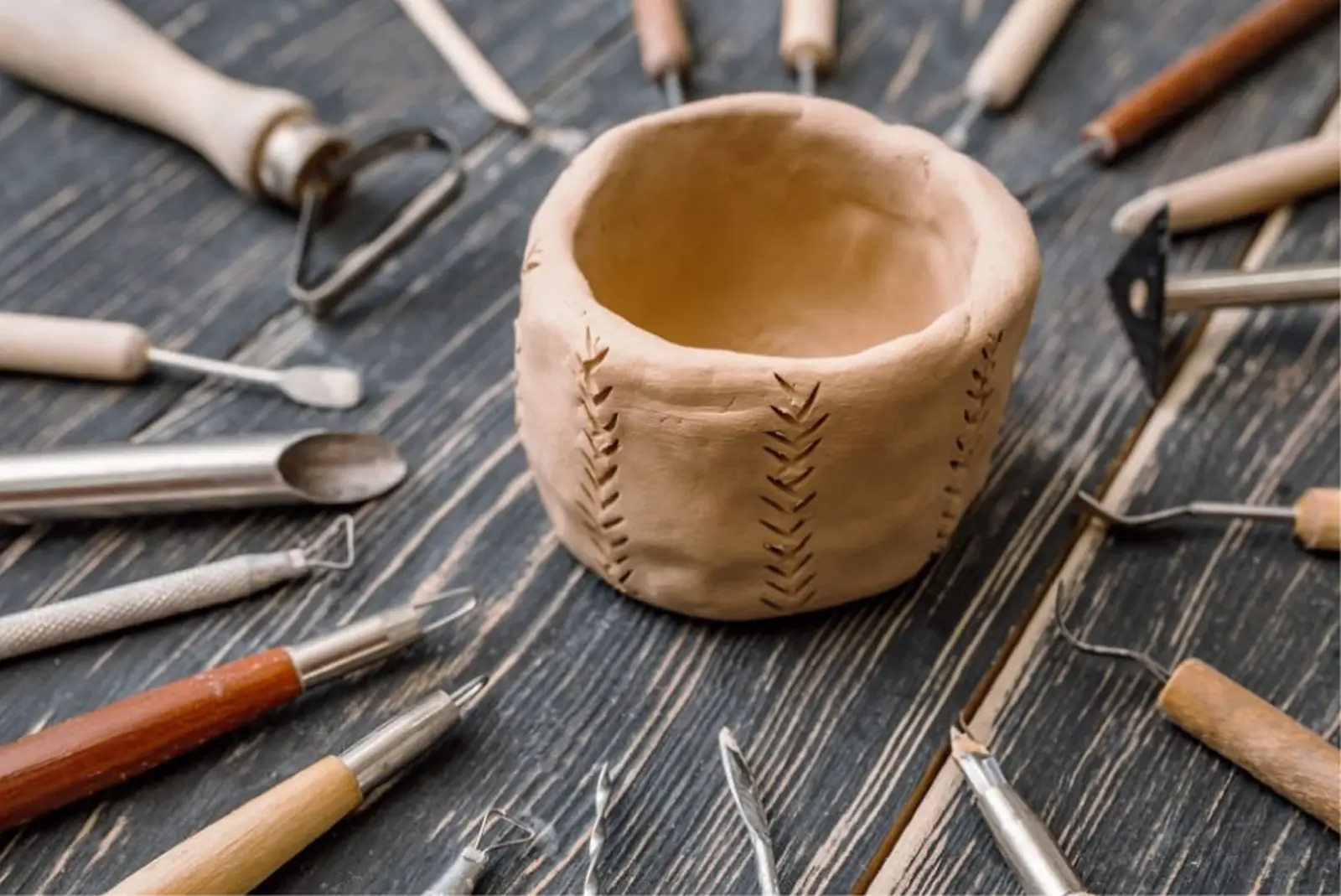
Famous Sculptors and Their Masterpieces
Sculpture is one of the oldest and most expressive forms of art, continuing to astonish and inspire. Throughout history, numerous...
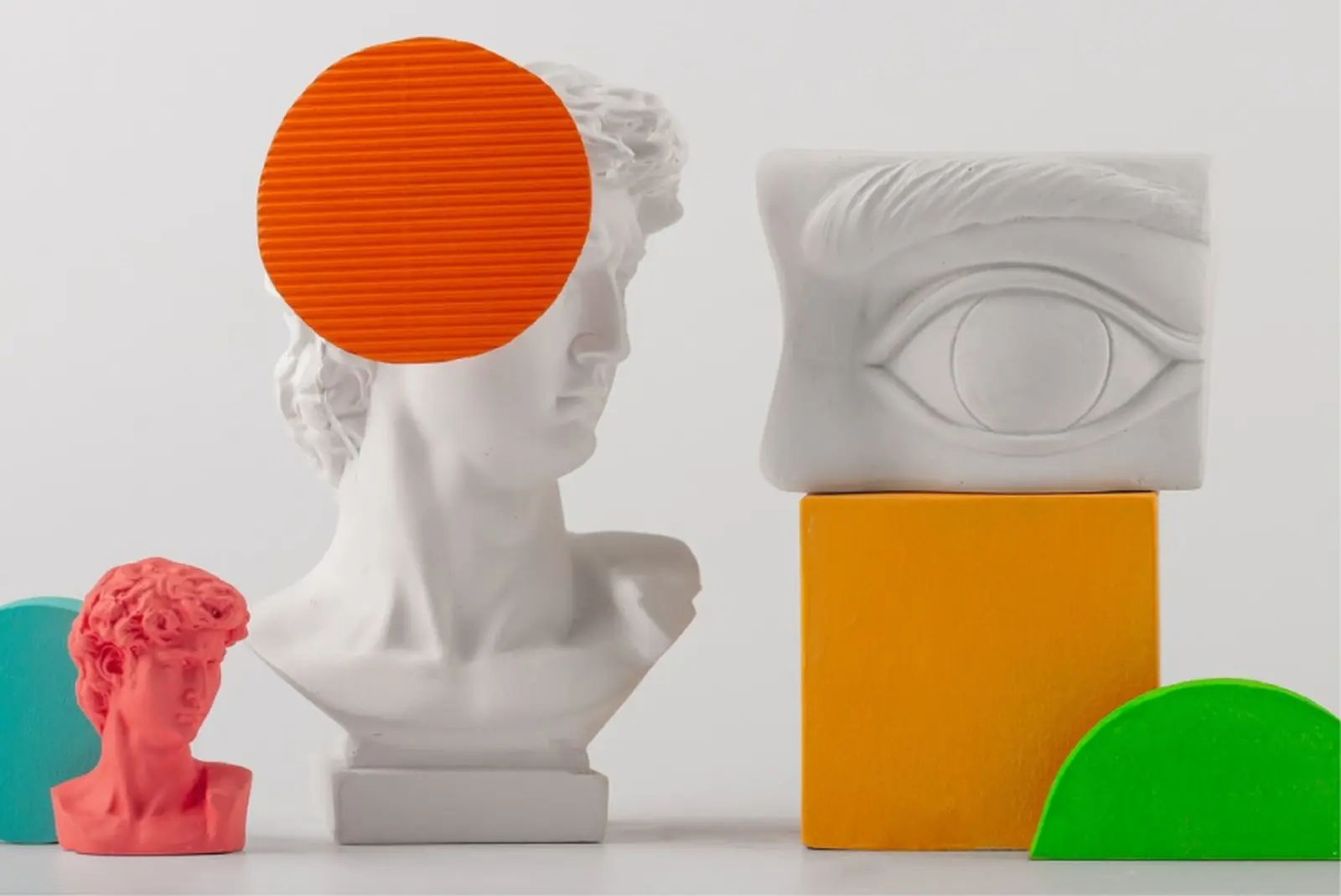
Basics of Modeling: Where to Start for a Beginner
Sculpting is an engaging and creative activity that allows you to create objects from various materials by shaping them with...
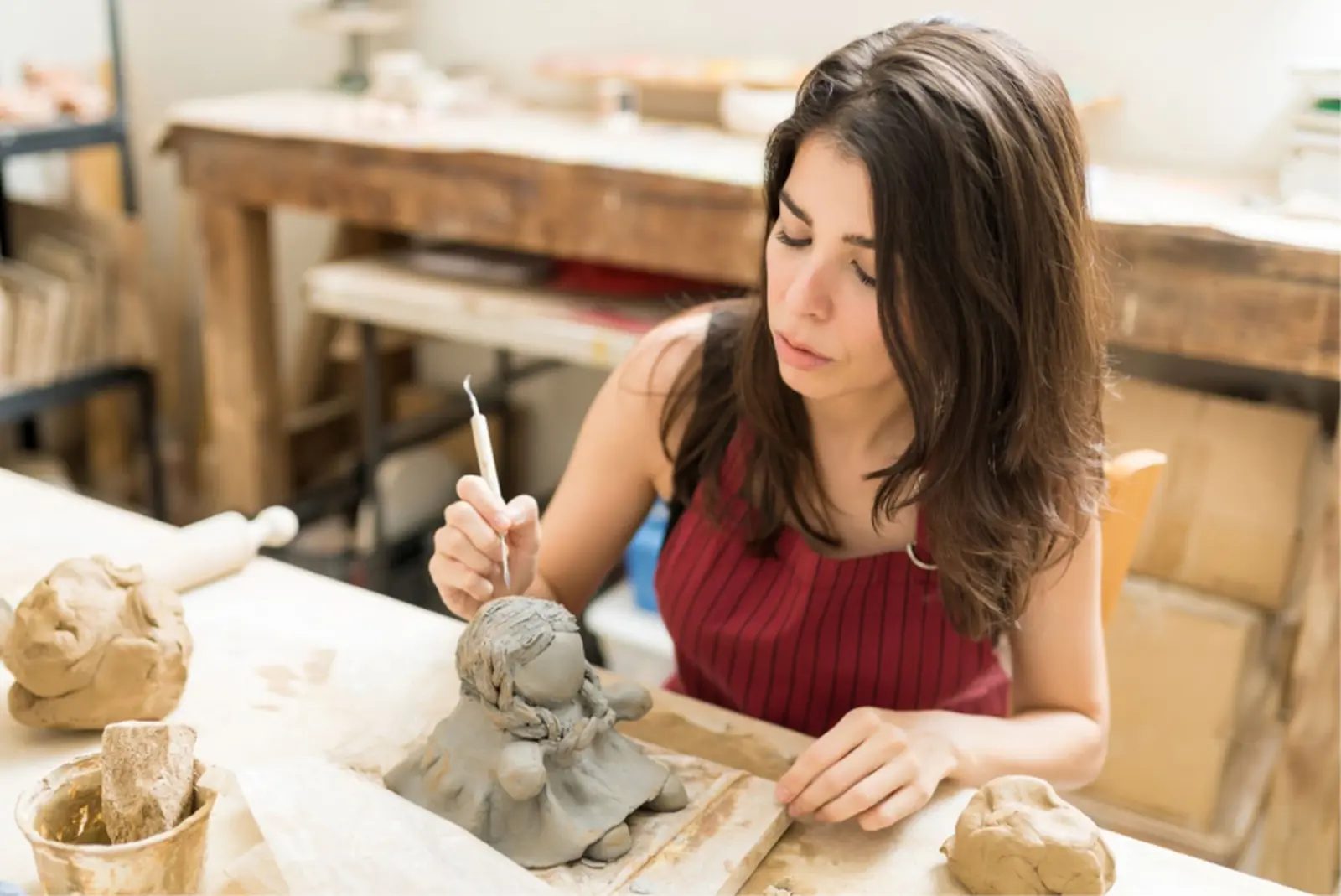
Sculpting for Adults: Hobby or Profession?
Sculpting, the art of creating forms from various materials, offers a wide range of opportunities for self-expression and creativity. Today,...
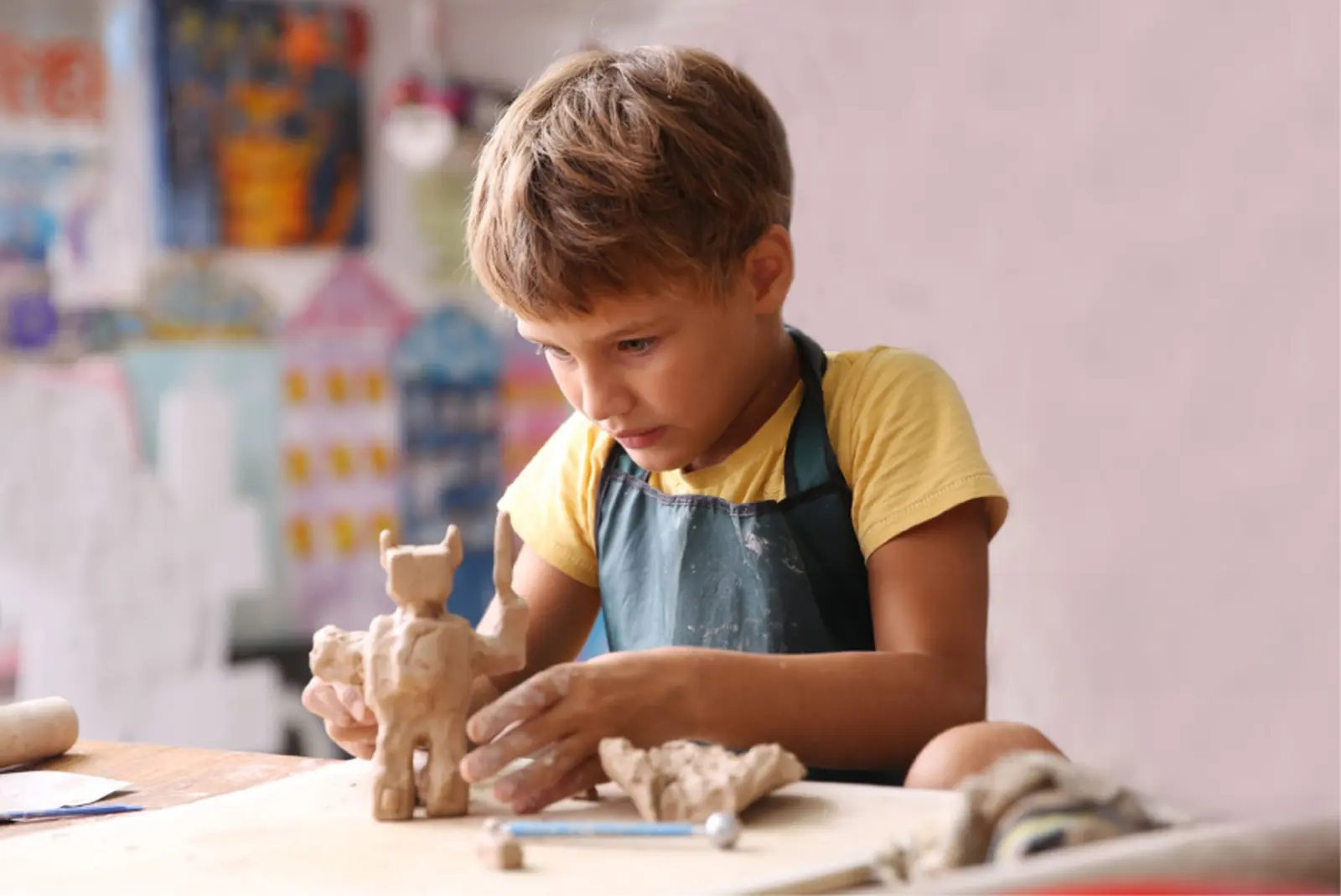
How Sculpting Develops Children’s Creative Abilities
Sculpting is a fascinating art form that can significantly enhance children's creative abilities. It is not only engaging but also...

The Impact of Sculpture on Art and Culture
Sculpture, as one of the oldest forms of artistic expression, has a significant impact on both art and culture. It...