Ballet and Self-Expression: Telling a Story Without Words
· Updated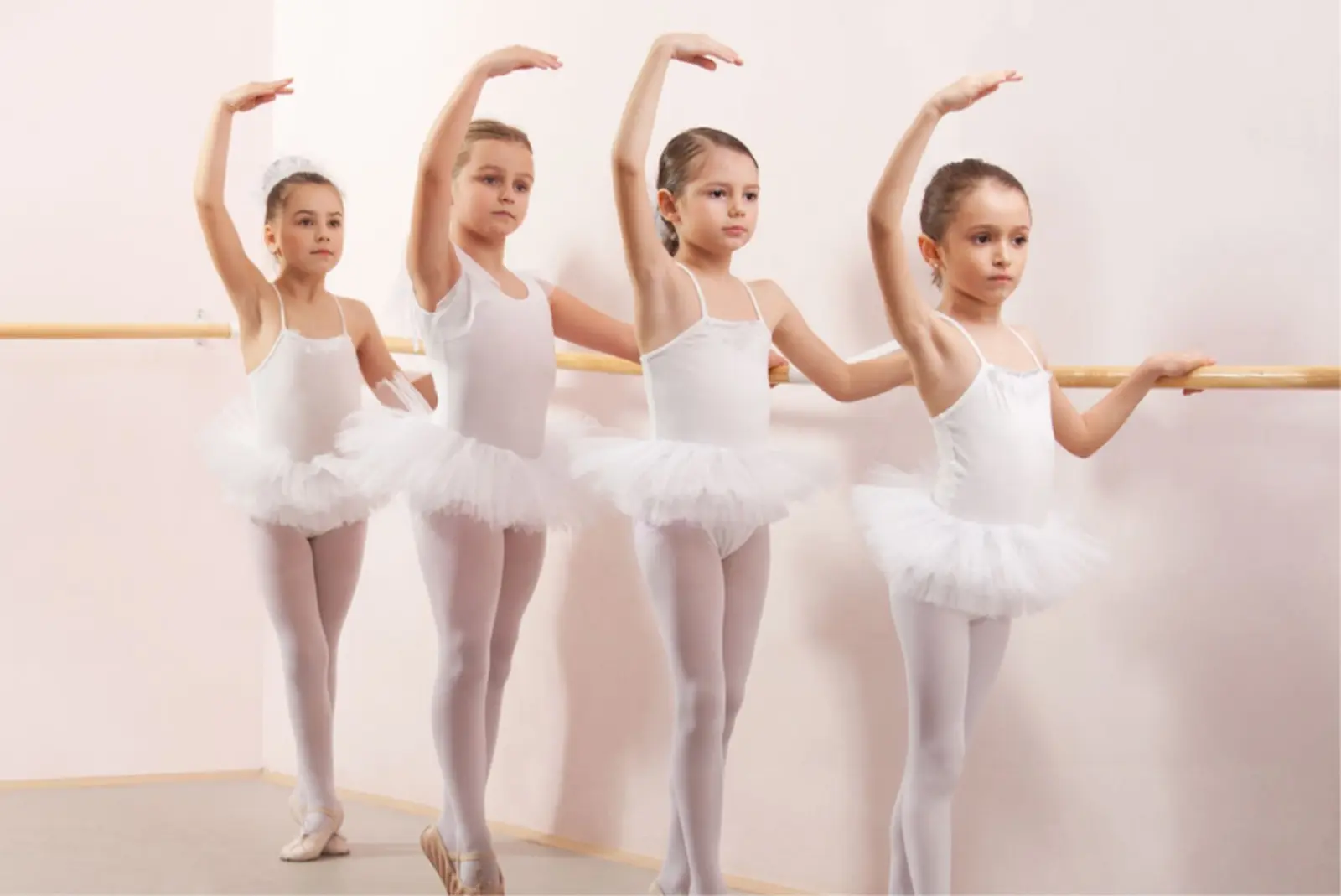
In ballet, no one speaks or sings: the story, the character and their feelings are conveyed through movement. Here is how ballet came to this, what serves this purpose and how it is taught. What research says about dance and self-confidence is covered in Ballet and Self-Confidence: What the Research Says.
Ballet That Tells a Story
In the 18th century, the ballet d’action emerged. One of its chief aims was to tell a story without spoken or sung words, relying on the quality of movement alone to convey actions, motives and emotions. In his Letters on Dancing and Ballets (1760), French choreographer Jean-Georges Noverre shifted the emphasis from costumes to the dancers’ movements and emotions. He did away with masks: the dancer’s face should be seen, as it is expressive and reinforces the emotion conveyed to the audience. Noverre also advised choreographers to observe people in all walks of life so they could give characters realistic gestures.
Props helped too. In La Fille mal gardée, a scarf represents the hero’s love, which the heroine accepts after a coy moment.
Arms, Torso and Head
Expression in ballet is not only in the legs. Agrippina Vaganova, who developed a well-known method of teaching ballet, believed that the arms deserve as much attention as the legs, bringing harmony and greater expression to the whole body. Arm movements are practiced in port de bras, an exercise moving the arms from one position to another. Épaulement is the rotation of the shoulders and head relative to the hips; the head generally looks over the shoulder that is forward.
Character Dance
Another language of ballet is character dance: a stylized stage version of folk and national dances, mostly European. It is integral to much of the classical repertoire. Examples include the national dances in Act III of Swan Lake, and Don Quixote has many character variations based on Spanish dances. Popular examples include the csárdás, mazurka and tarantella. They are usually danced in shoes or boots with a small heel.
How We Teach This in Our Course
One of the goals of our ballet course is expressiveness: conveying the mood of the music and the character through movement, poses and facial expression. The program includes an Expressive Performance module: we work on arm movements, poses and facial expression, discuss the character and learn to convey it through dance. Performing in online concerts is optional; how to prepare for a performance is covered in How to Prepare for a Ballet Performance.
How to Get Started
The easiest way is a trial lesson for $8.00: it is individual and lasts 45 minutes. More about the course is on the Ballet page.


